How Many Kilowatts To Charge A Tesla Model 3

Alright, picture this: you've finally snagged your dream ride – a sleek, silent Tesla Model 3. You're cruising around town, feeling like you're living in the future. But then that little voice in your head (or, more accurately, that little battery icon on your dashboard) reminds you: "Honey, you gotta charge me!" So, the big question hits you: just how many kilowatts are we talking about to keep this electric dream alive?
Decoding the Kilowatt Conundrum
Let's break it down, shall we? The amount of kilowatts needed to charge your Model 3 isn't a fixed number. It's more like a "choose your own adventure" situation, depending on a few key factors. Think of it like ordering coffee – you can get a small espresso (a quick jolt) or a grande latte (a more substantial boost). Charging your Tesla is similar, just with electrons instead of caffeine.
The most important factors influencing the kilowatts needed include:
Must Read
- Charging Level: Are you using a standard wall outlet, a Level 2 charger at home, or a super-fast DC fast charger on the road?
- Battery Capacity: Different Model 3 trims have varying battery sizes. A Long Range model will, naturally, require more juice than a Standard Range model.
- Current Battery Level: Starting from near empty will require significantly more kilowatts than just topping up.
Let’s get into the nitty-gritty. A standard 120V wall outlet (Level 1 charging) is the slowest option. It's like sipping coffee through a tiny straw. You'll only get about 2-4 miles of range per hour of charging. While convenient for a small top-up overnight, it's not ideal for quickly replenishing a depleted battery.
Think of it this way: Level 1 charging is like that one friend who always shows up late and doesn't bring snacks to the party. Helpful in a pinch, but not exactly reliable for the long haul.

Level Up Your Charging Game
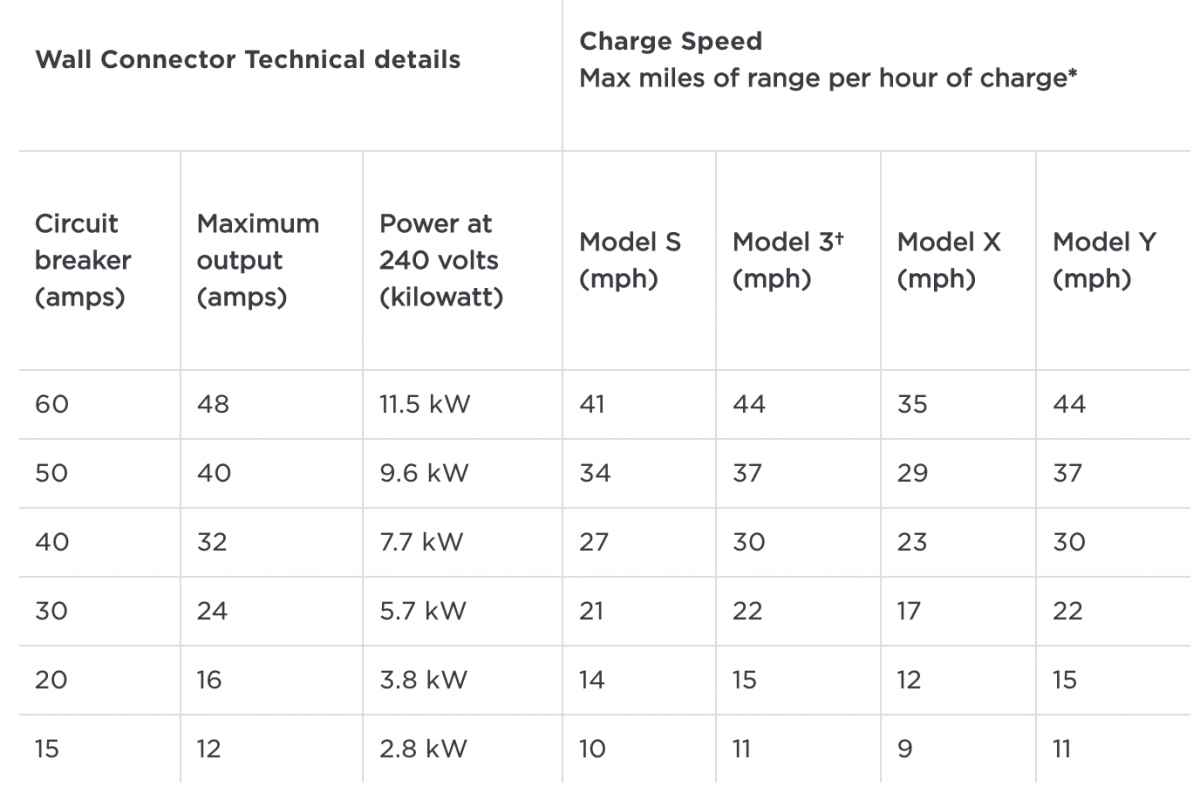
Now, let’s talk Level 2 charging. This is where things get interesting. Installing a 240V Level 2 charger at home is a game-changer. It's like upgrading from that tiny straw to a super-sized straw. You can expect to get around 20-40 miles of range per hour of charging, depending on the amperage of the charger and your car's onboard charger.
Essentially, with a Level 2 charger, you can easily replenish your battery overnight and wake up to a full "tank" every morning. This is the sweet spot for most Tesla owners, offering a balance of speed and convenience.
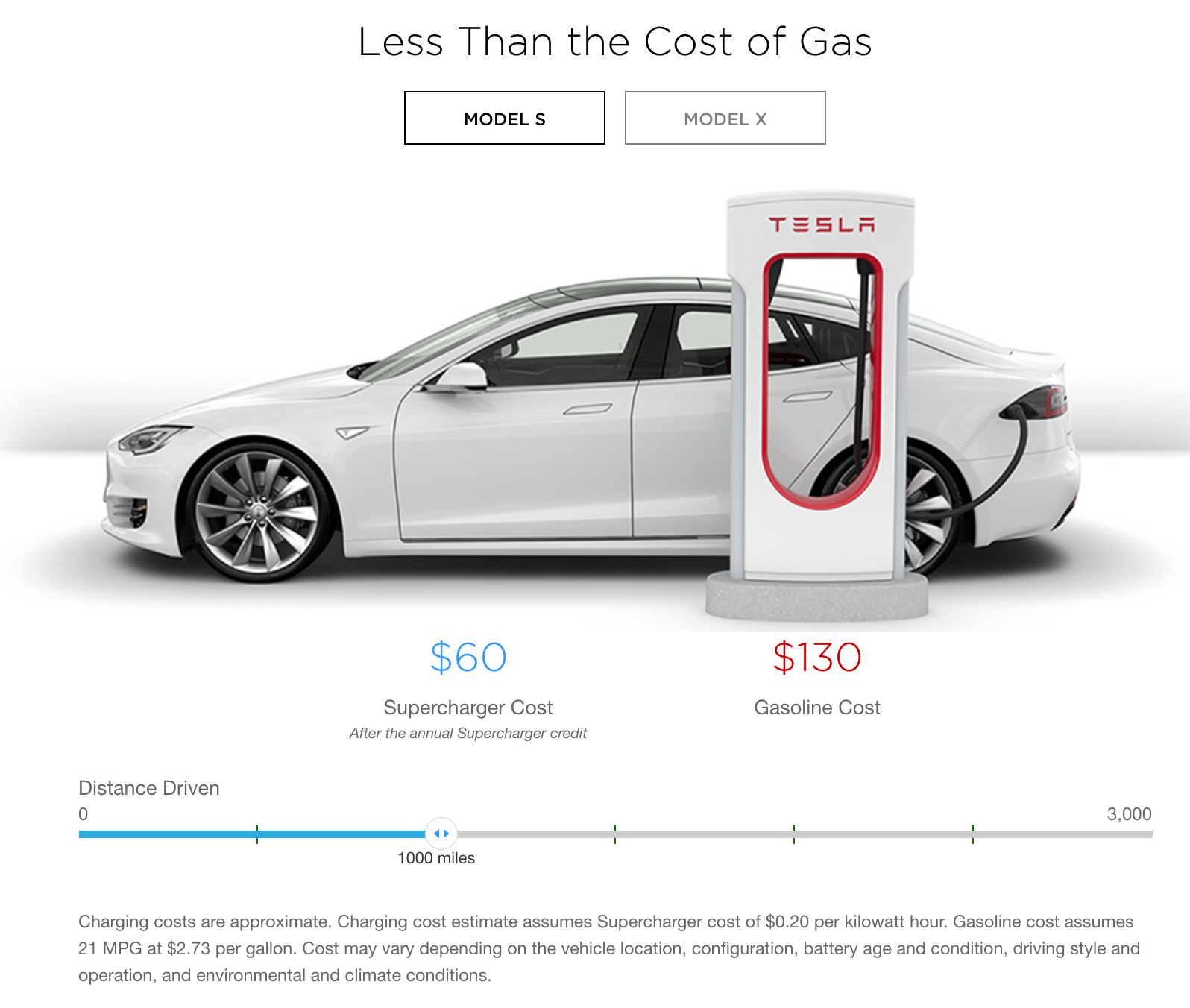
For those long road trips, you'll rely on DC fast charging, also known as Supercharging. Tesla's Supercharger network can deliver up to 250 kW of power, adding hundreds of miles of range in a relatively short amount of time. It’s like chugging an energy drink – rapid and effective!
However, keep in mind that charging speeds can vary depending on factors like battery temperature and the number of other cars charging at the same station. It’s the EV version of waiting in line for Space Mountain – sometimes it moves quickly, sometimes not so much.
Practical Tips for Maximizing Your Kilowatts
- Precondition Your Battery: Before heading to a Supercharger, use your Tesla's navigation system to set it as your destination. This will pre-heat the battery, optimizing charging speeds.
- Charge During Off-Peak Hours: Many utility companies offer lower electricity rates during off-peak hours. Take advantage of this to save money. It’s the electrical equivalent of happy hour!
- Keep Your Battery Between 20% and 80%: Regularly charging to this range can help extend the life of your battery. Avoid consistently charging to 100% unless needed for a long trip.
So, back to our initial question: How many kilowatts to charge a Model 3? The answer, as you now know, isn't a simple number. But with a little understanding of charging levels, battery capacity, and smart charging habits, you can keep your Tesla powered up and ready for any adventure. Think of it as mastering the art of the electric lifestyle.
Ultimately, understanding kilowatt usage isn't just about charging your car. It's about understanding your energy consumption, making informed choices, and living a more sustainable life. It's a reminder that even small changes, like opting for an electric vehicle, can make a big difference in the grand scheme of things. Embrace the charge!