How Many Kilowatts Does The Average House Use
Ever found yourself staring at your electricity bill, wondering if your house is secretly running a Bitcoin mine in the basement? You're not alone! Understanding how much juice your home typically drinks is key to managing your energy consumption, saving money, and even becoming a more eco-conscious citizen. So, let's dive into the kilowatt conundrum and unravel the mysteries of your home's power usage.
The Kilowatt Lowdown: What Are We Talking About?
First, a quick refresher. A kilowatt (kW) is simply a unit of power. Think of it like the speed at which your appliances slurp up electricity. Your electricity bill is usually measured in kilowatt-hours (kWh), which is the total amount of energy you've used over a period of time – like the total distance traveled at a certain speed. For example, a 100-watt light bulb running for 10 hours uses 1 kWh (100 watts x 10 hours = 1000 watt-hours = 1 kWh). Simple, right?
So, How Many Kilowatts Does the Average House Use?
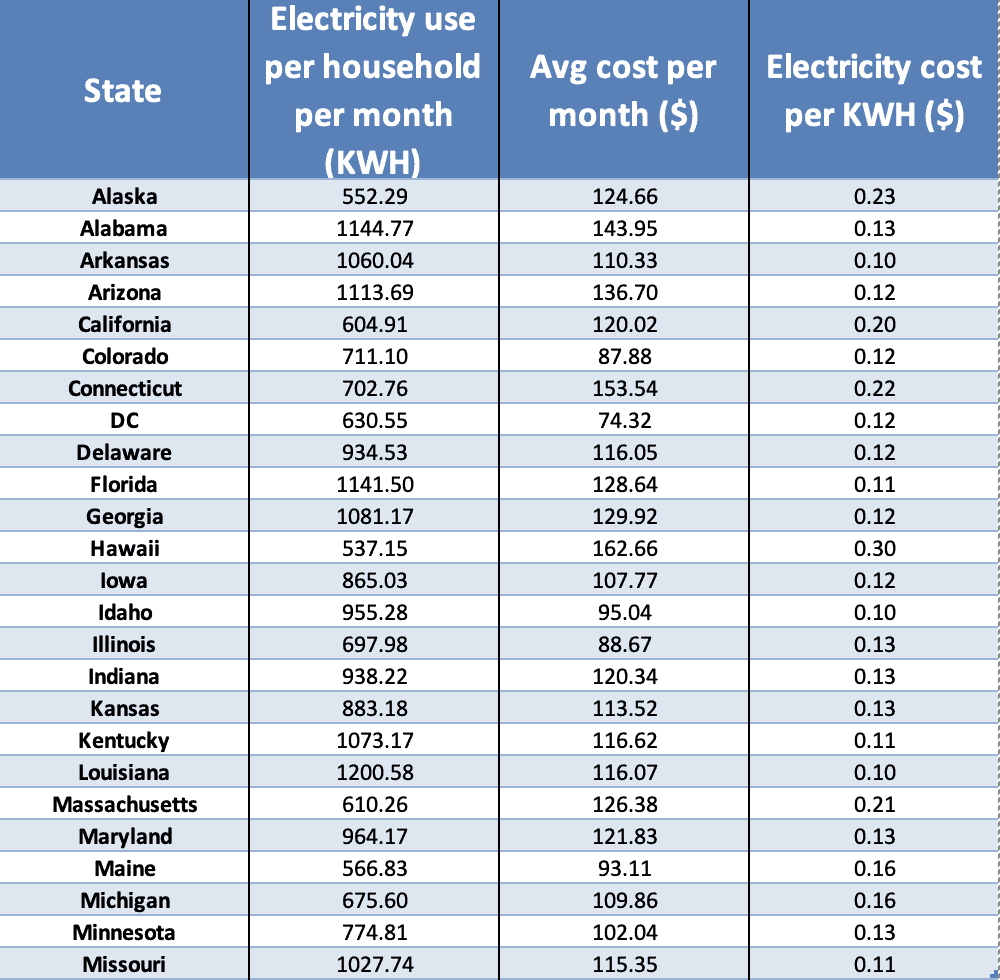
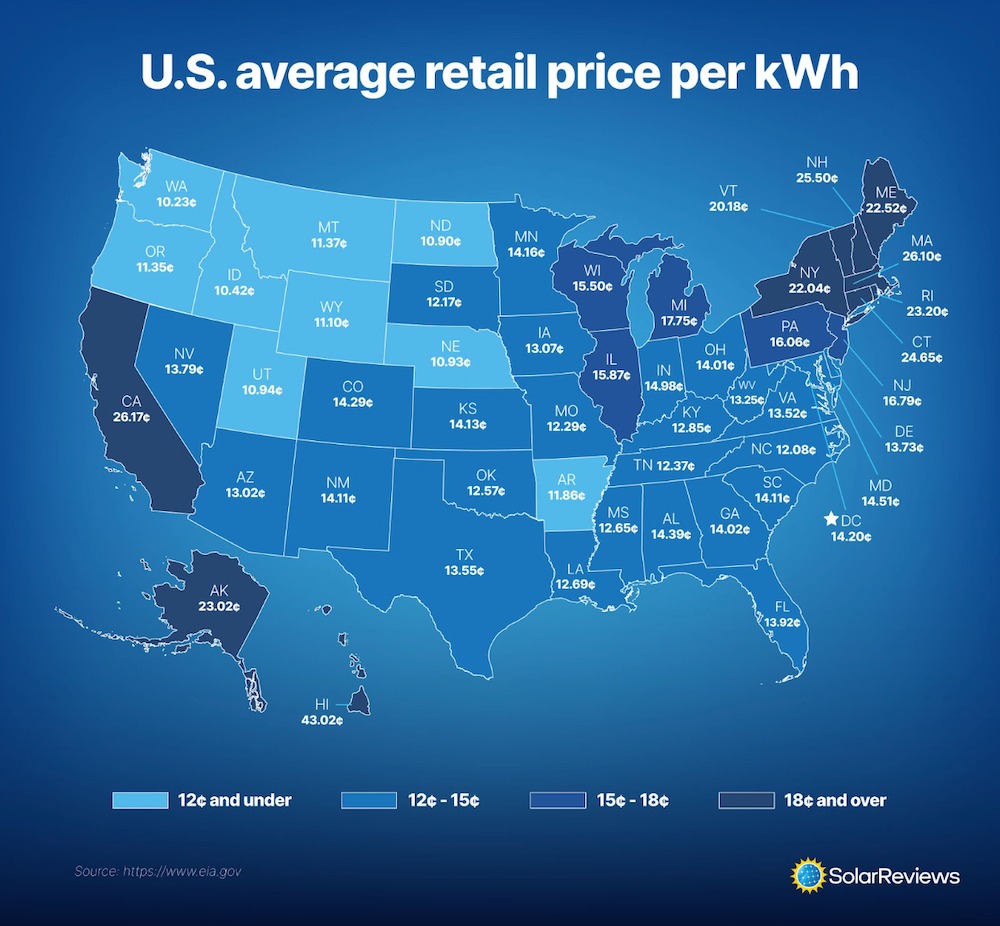
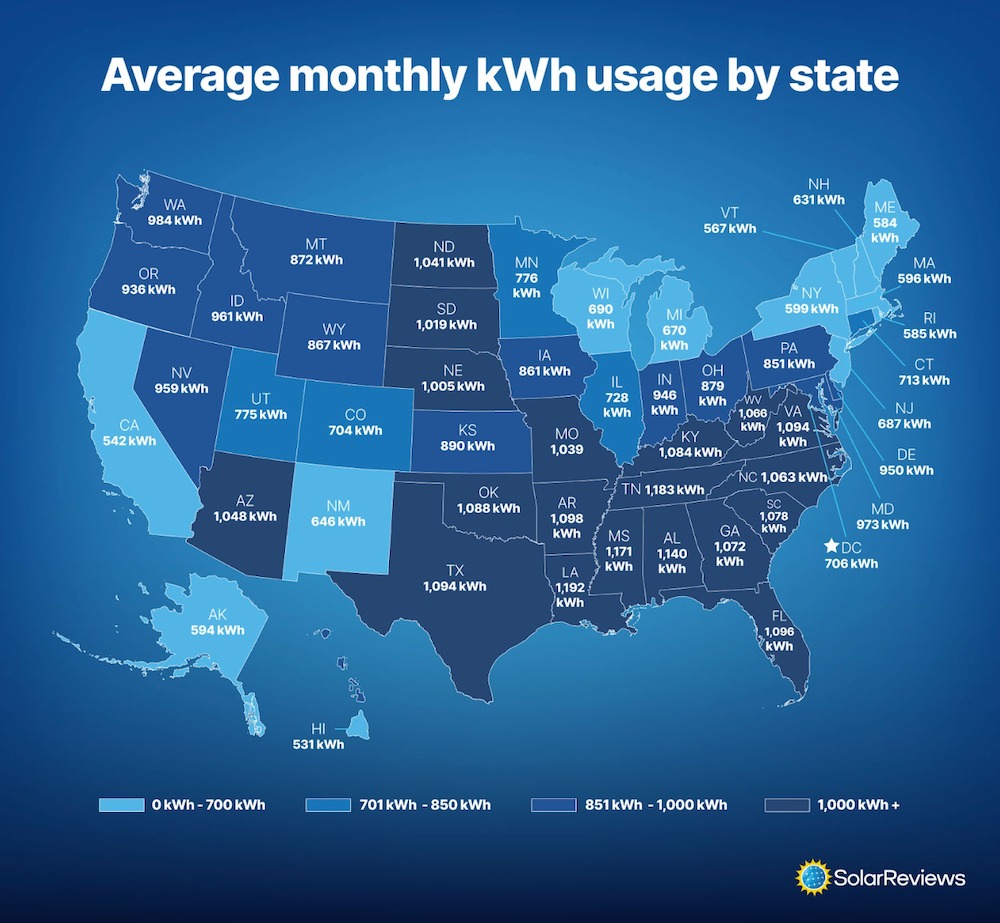
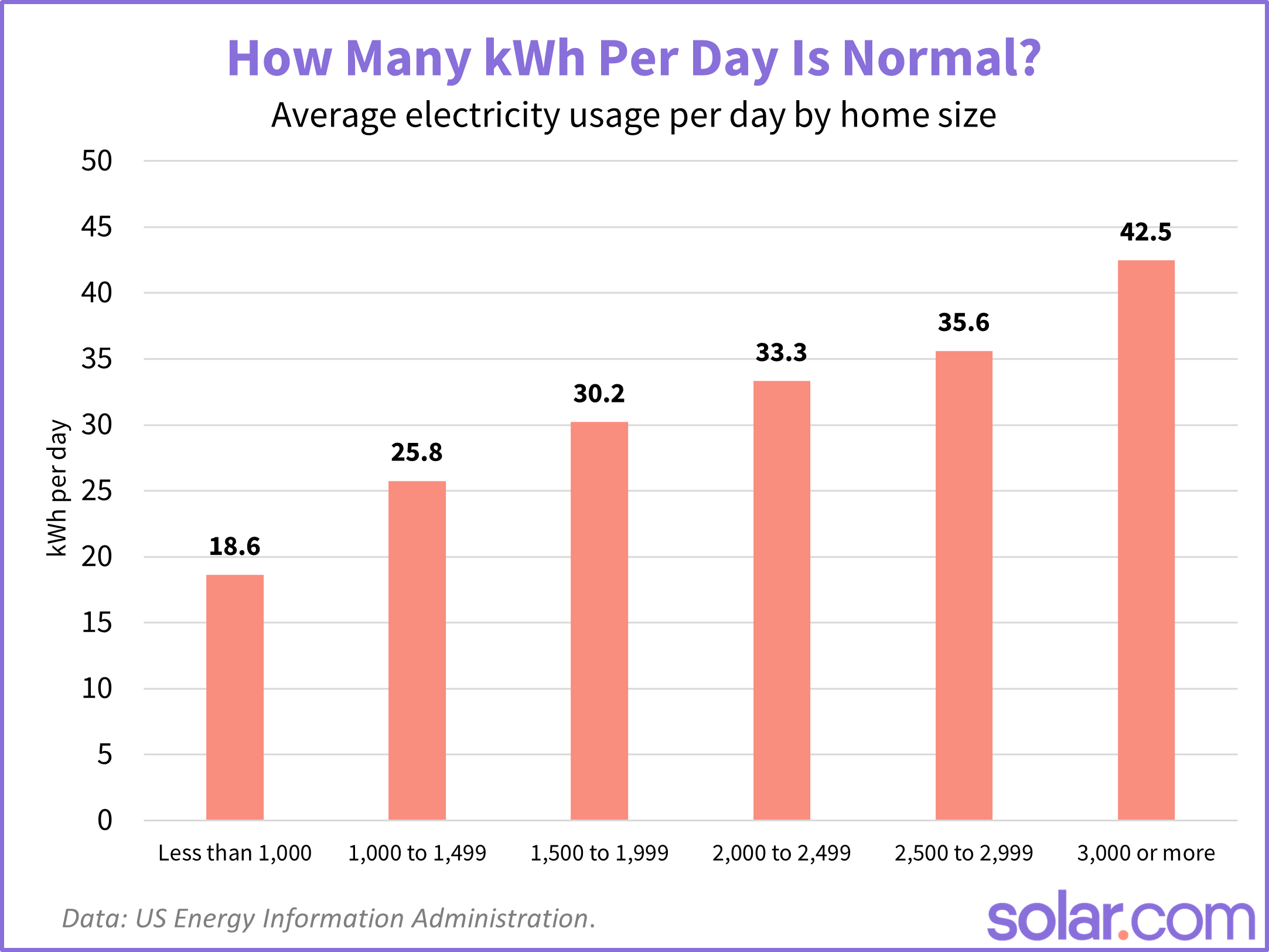
Here's the million-dollar question (or rather, the several-hundred-dollar-electricity-bill question). The average US household uses around 30 kWh per day, which translates to roughly 1 kW to 1.5 kW at any given moment. However, this is just an average! Your actual usage depends on a whole host of factors.
Must Read
Think of it like ordering pizza. The "average" person might eat three slices, but your appetite depends on whether you just ran a marathon or spent the afternoon binge-watching Netflix. Similarly, your home's energy appetite is affected by:
- Location, Location, Location: A house in sunny Arizona needing constant AC is going to use a lot more power than a cozy cabin in Maine with mild summers.
- House Size: Bigger house, bigger energy footprint. More rooms to heat or cool, more lights, more appliances... you get the picture.
- Number of Occupants: More people = more showers, more laundry, more devices plugged in. It's a simple equation!
- Appliance Efficiency: That ancient refrigerator humming in the corner? It's probably costing you a fortune. Modern, energy-efficient appliances can make a huge difference. Look for the Energy Star label!
- Lifestyle: Are you a power user with multiple gaming consoles, a home theater, and a passion for baking elaborate cakes? Or are you more of a minimalist who prefers candlelight and board games?
Digging Deeper: Appliance Power Consumption
Let's break it down. Here's a rough idea of how much power some common appliances use:
- Air Conditioner (Central): 3-5 kW (when running)
- Refrigerator: 0.1-0.2 kW (average)
- Oven: 2-5 kW (when heating)
- Washing Machine: 0.5-1 kW (per load)
- Television (LED): 0.05-0.15 kW
- Laptop: 0.05-0.1 kW
Keep in mind that these are just estimates. You can usually find the power consumption information (in watts) on a sticker on the appliance itself. Divide by 1000 to get kilowatts.
Practical Tips for Taming Your Kilowatt Monster
Okay, so you know how much power the average house uses. Now what? Here are a few practical tips to help you lower your energy consumption and save some green:
- Embrace Energy-Efficient Lighting: Switch to LED bulbs. They use up to 75% less energy than incandescent bulbs and last much longer.
- Unplug Phantom Loads: Many electronics continue to draw power even when they're turned off. Unplug chargers, TVs, and other devices when not in use. It's like a vampire, but instead of blood, it sucks electricity.
- Smart Thermostat: A programmable or smart thermostat can automatically adjust the temperature when you're away or asleep, saving you energy and money.
- Audit Your Appliances: Regularly check your appliances for energy efficiency. Replace old, inefficient models with newer, Energy Star-certified ones.
- Be Mindful of Water Heating: Water heating is a significant energy consumer. Take shorter showers, wash clothes in cold water, and insulate your water heater.
Think of it like this: you wouldn't leave the water running while brushing your teeth, would you? Energy conservation is about being mindful of your resource consumption and making small changes that add up over time.
A Final Thought
Understanding your home's energy consumption isn't just about saving money (though that's a definite perk!). It's about being a more responsible consumer and contributing to a more sustainable future. By making small changes in your daily habits, you can significantly reduce your environmental impact and create a more comfortable and energy-efficient home. So, take a look at your next electricity bill, do a little sleuthing, and see what you can do to tame your kilowatt monster. You might be surprised at how much you can save!