How Many Kilowatts Does Solar Panels Generate
Let's face it, talking about energy can sometimes feel, well, a little dull. But when we start talking about harnessing the power of the sun? Suddenly, it's like a superhero origin story! Solar panels are becoming increasingly popular, not just because they're environmentally friendly, but also because they offer a way to take control of our energy bills. One of the most common questions people ask is: "Okay, but how much power do these things actually generate?" Let's dive into the kilowatt-generating capabilities of solar panels in a fun and easy way.
So, why all the buzz about solar? The purpose of solar panels is simple: to convert sunlight into electricity. This electricity can then be used to power your home, business, or even charge your electric vehicle! The benefits are numerous: you can reduce your reliance on the traditional power grid (often fueled by fossil fuels), decrease your carbon footprint, and potentially even earn money by selling excess energy back to the grid (depending on your local regulations). Plus, who doesn't love the feeling of independence that comes with generating your own power?
Now, for the juicy details: how many kilowatts can a solar panel actually generate? The output of a solar panel is typically measured in watts, but for larger systems, we talk about kilowatts (kW). Remember, 1 kilowatt (kW) equals 1000 watts. A standard solar panel that you might see on a residential rooftop typically produces between 250 and 400 watts. However, that's just a single panel! When we talk about a solar panel system, which is a group of panels working together, the numbers become more significant.
Must Read
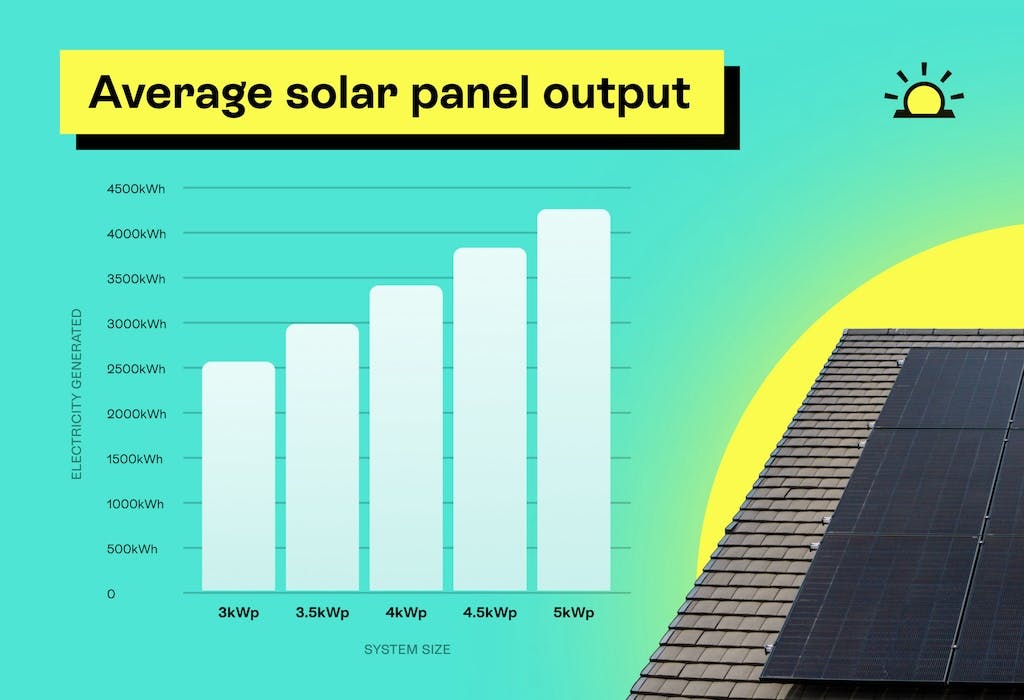
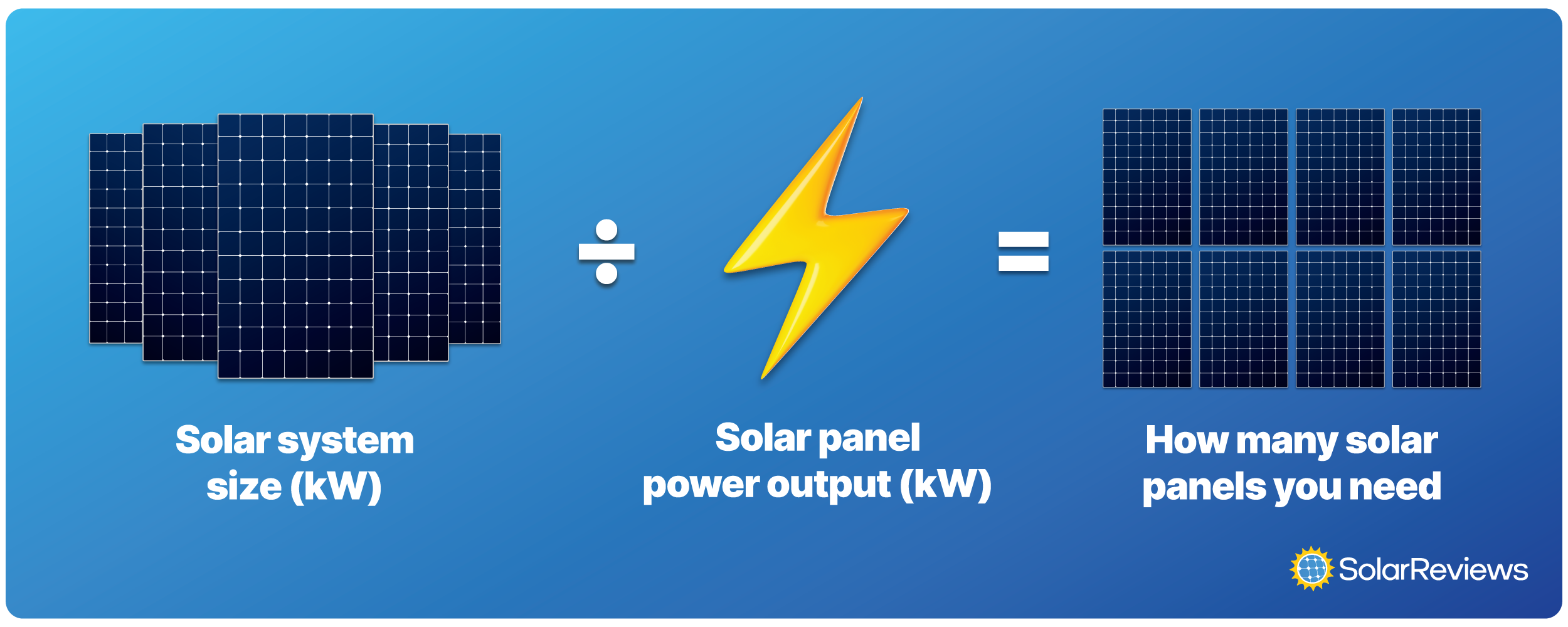
A typical residential solar panel system might consist of, say, 20 panels. If each panel generates 300 watts, that means the entire system has a potential capacity of 6 kilowatts (6kW). That’s calculated as 20 panels * 300 watts/panel = 6000 watts = 6kW. This is a common size for homes and can often cover a significant portion, or even all, of a household's energy needs.
But, and this is a big but, the actual amount of electricity generated depends on several factors. These include the size of the system, the orientation and tilt of the panels (to maximize sun exposure), the weather (sunny days are obviously better than cloudy ones!), and even the temperature (solar panels perform best in cooler temperatures, surprisingly!). Location also plays a key role. A system in sunny Arizona will generate more power than the same system in a cloudier region.
In conclusion, while a single solar panel generates a few hundred watts, a solar panel system, designed to power a home, can easily generate several kilowatts. It's a powerful way to harness the energy of the sun, reduce your environmental impact, and potentially save money on your electricity bill. So next time you see a solar panel, remember it's not just a pretty face, it's a little powerhouse converting sunlight into usable energy!
.png)