How Many Kilowatts Does It Take To Charge A Tesla

Okay, let's talk Tesla charging. We're not talking rocket science here, but understanding the basics can save you money and prevent a few headaches. So, how many kilowatts does it really take to charge your sleek, electric chariot? Let's dive in.
The Kilowatt Lowdown: Watts Up?
First, a quick refresher. A kilowatt (kW) is just a unit of power, like horsepower for your grandma's Buick, but for electricity. Think of it like the flow rate of water in a pipe. The higher the kW, the faster your Tesla charges. Simple, right?
The number of kilowatts your Tesla draws depends on a few key things:
Must Read
- The charging source: Are you plugging into a standard wall outlet, a Level 2 charger at home, or a Tesla Supercharger?
- Your Tesla model: A Model 3 generally has a slightly different battery capacity than a Model X or Model S.
- The onboard charger capacity: This dictates the maximum rate your car can accept power.
Let's break it down further.
Charging Speeds: From Snail Mail to Warp Speed
Imagine charging speeds like delivery services. Each has its own timeline and price point.

Level 1 (Standard Wall Outlet - 120V): This is the equivalent of sending a letter via snail mail. It's the slowest method, adding only about 3-5 miles of range per hour. You'll typically draw around 1.4 kW. Fine for topping off overnight if you drive very little, but generally not ideal for daily charging.
Level 2 (240V Charger - Home or Public): Think of this as expedited shipping. This is the sweet spot for most Tesla owners. A Level 2 charger, professionally installed at your home, can deliver between 3.7 kW and 11 kW (or even higher on some older models with dual chargers). This translates to roughly 20-40 miles of range per hour. Most owners choose this for regular overnight charging.
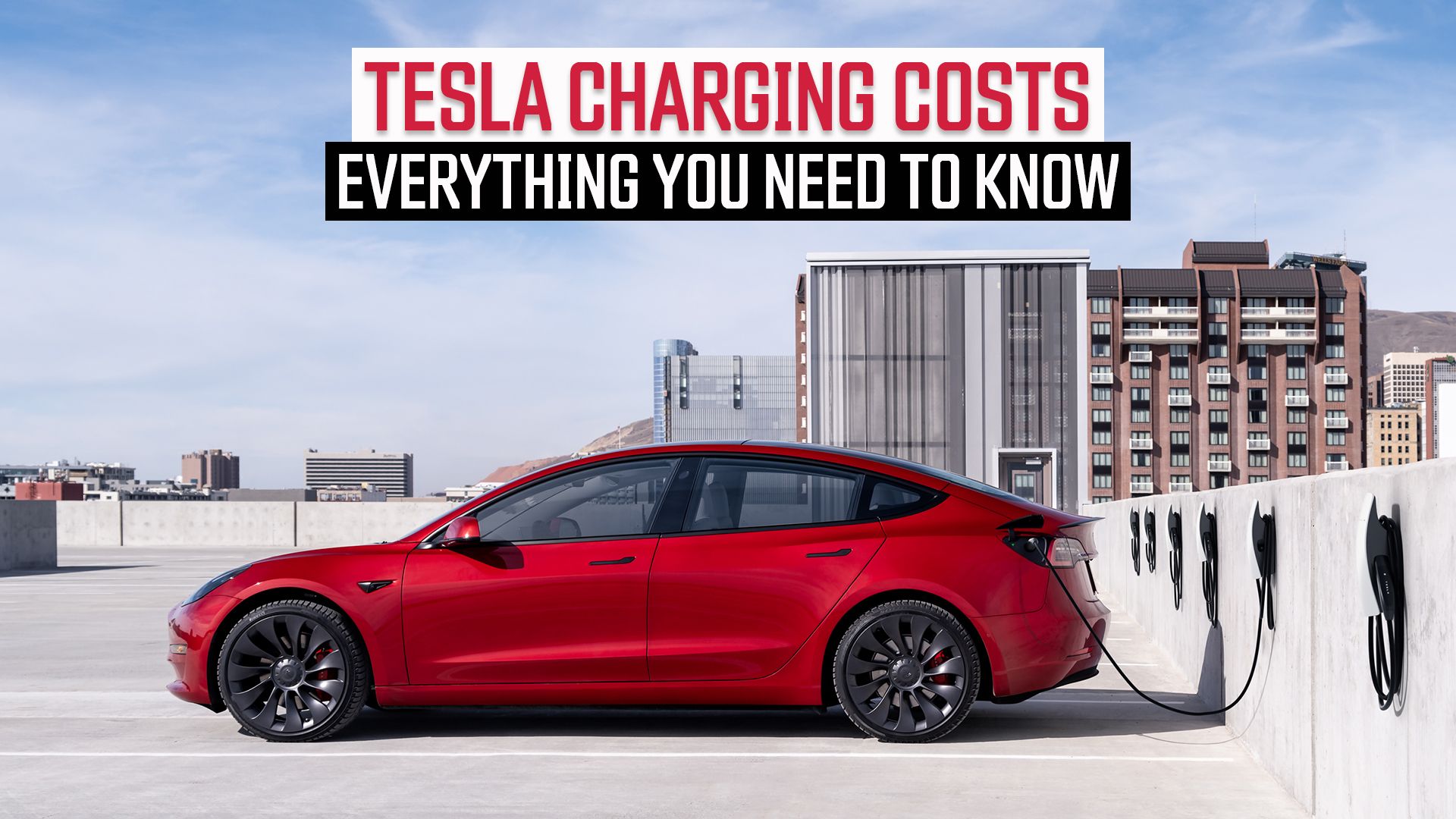
DC Fast Charging (Supercharger - Public): This is your overnight delivery—instant gratification. Tesla Superchargers can deliver a whopping 72 kW to 250 kW (depending on the Supercharger version and your car model), adding hundreds of miles of range in a short period. Great for road trips, but less ideal for daily use due to potential battery degradation concerns, and of course, the cost.
Practical Tips for Maximizing Your Charge
Now that you know the charging speeds, here are a few golden nuggets of wisdom to optimize your Tesla charging experience:
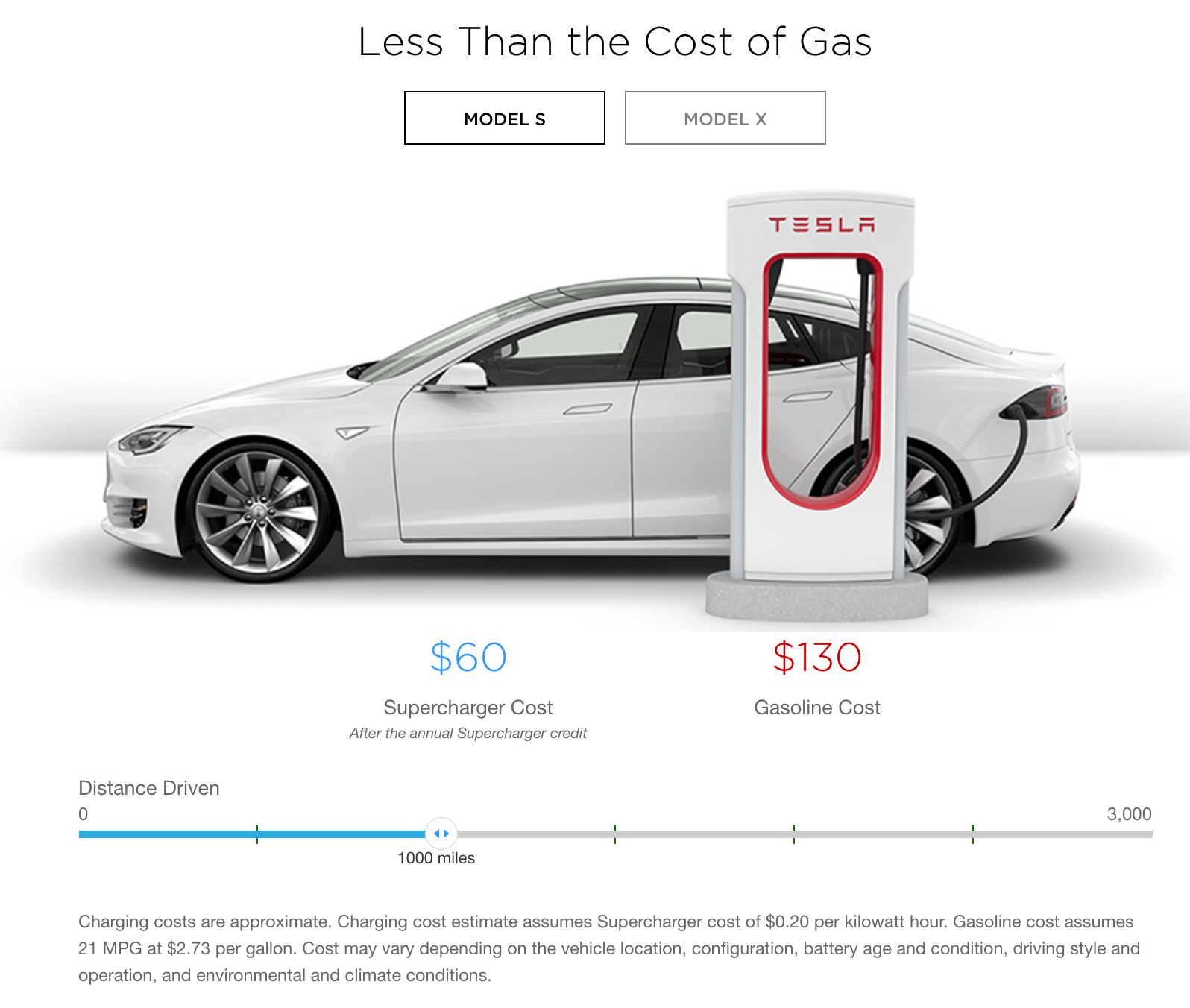
- Install a Level 2 Charger at Home: Seriously. It's a game-changer. Talk to a qualified electrician.
- Charge During Off-Peak Hours: Many utility companies offer lower electricity rates during off-peak hours (usually at night). Take advantage of this! Set your Tesla's charging schedule accordingly.
- Don't Always Charge to 100%: Unless you're planning a long trip, Tesla recommends charging to 80% or 90% for daily use to maximize battery lifespan.
- Use the Tesla App: The Tesla app is your best friend. It allows you to monitor your charging progress, adjust charging settings, and even preheat or precool your car remotely.
- Keep Your Tires Properly Inflated: This isn't directly related to kW, but it improves efficiency, meaning you'll get more miles per kWh.
Fun Fact: The "Kilowatt" Connection
Did you know that "kilo" comes from the Greek word for "thousand"? So, a kilowatt is simply 1,000 watts. Now you can impress your friends at your next electric vehicle meet-up. Bonus points if you can name James Watt.
Bringing It Home
Understanding kilowatts and how they relate to your Tesla charging experience empowers you to make informed decisions. It's about optimizing your charging habits to fit your lifestyle, save money, and maximize your Tesla's battery health. It's also understanding that the small adjustments we make—choosing off-peak hours, limiting our daily charge percentage—are akin to choosing reusable bags at the grocery store. Each conscious decision contributes to a bigger picture, a more sustainable and efficient way of living.