
How Many Kilowatts Does An Electric Car Use
Ever wonder how much juice your electric chariot guzzles? We’re not talking about orange juice – we're diving into the wonderful world of kilowatts and how they power your silent, emission-free adventures. Think of it as swapping gas station gossip for electrifying insights!
Kilowatts? Sounds Scary!
Don't let the word intimidate you! A kilowatt (kW) is simply a unit of power, like horsepower but for electricity. Think of it as the rate at which your car is sipping energy from the electric socket. And just like some folks prefer a leisurely iced tea, and others down a shot of espresso, electric cars have different appetites too.
So, how many kilowatts does an electric car actually use? Well, it depends! It’s not a one-size-fits-all answer, just like shoe sizes. A tiny, city-zipping electric car will use significantly fewer kilowatts than a hulking, all-wheel-drive electric SUV. Think of a Chihuahua versus a Great Dane – both dogs, but vastly different appetites.
Must Read
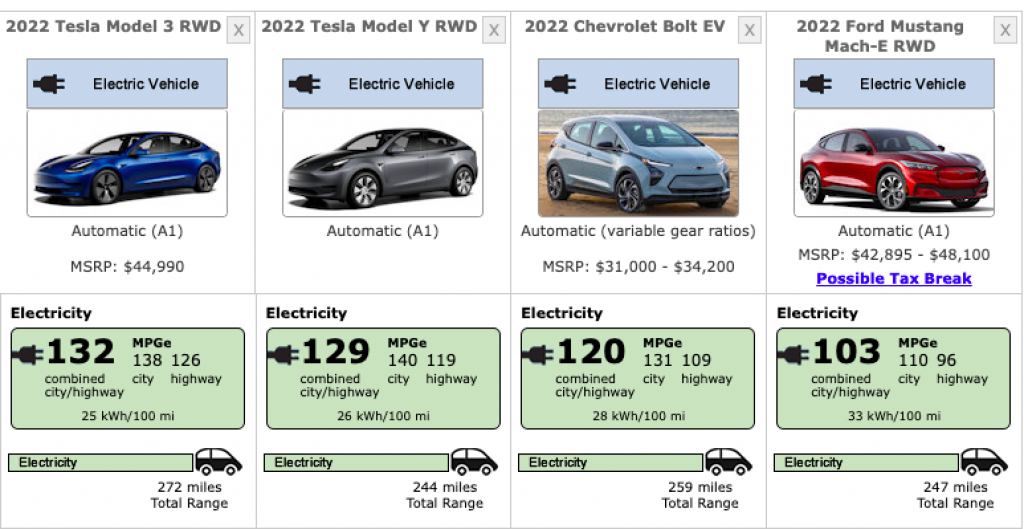
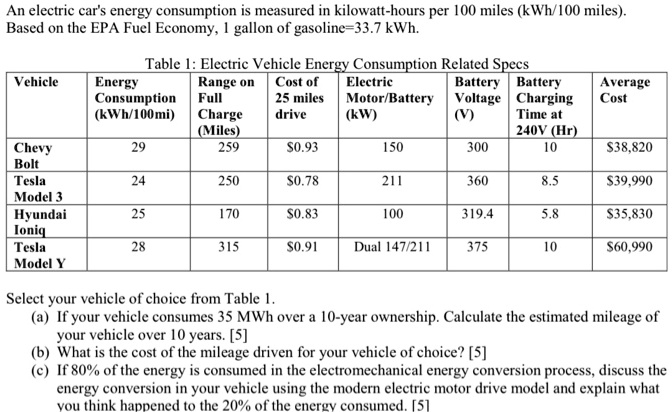
Let's talk rough numbers. A typical electric car, something like a Tesla Model 3 or a Nissan Ariya, generally uses between 13 to 20 kWh (kilowatt-hours) per 100 kilometers (roughly 62 miles) driven. Kilowatt-hours are simply kilowatts used over a certain amount of time.
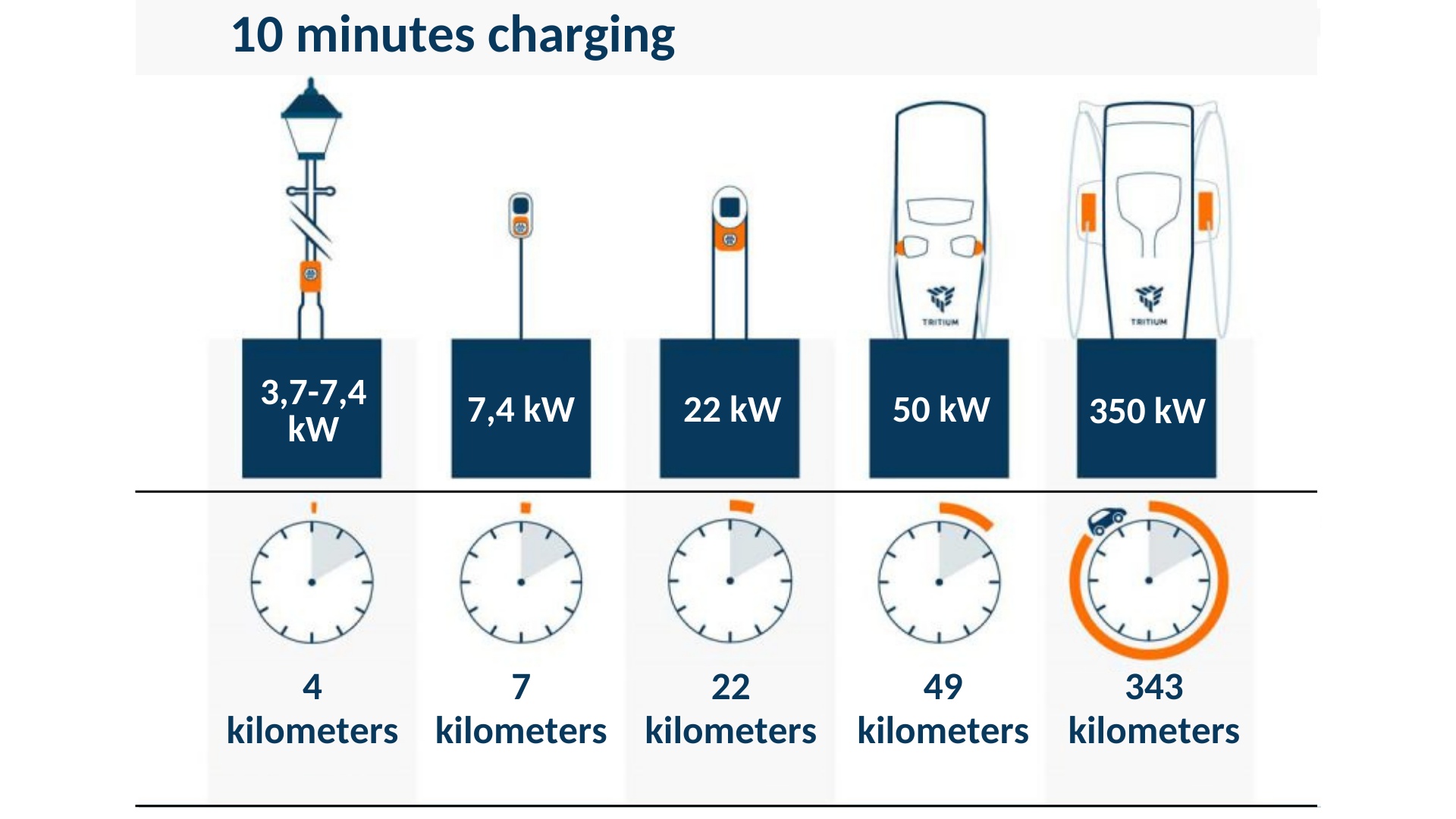
Imagine baking a cake. The oven uses a certain number of kilowatts to reach the right temperature, and it cooks for a certain number of hours. The total energy used to bake the cake is measured in kilowatt-hours. Same principle applies to your car!
The "Vampire Drain" and Other Quirks
Here’s where it gets interesting. Just like a vampire silently draining the lifeblood from its victim (okay, maybe a slight exaggeration!), your electric car can experience a small amount of "vampire drain" even when it's parked. This is due to the car's systems constantly monitoring the battery and performing other background tasks. Don't worry, it’s usually a small amount, but it's worth knowing about.
And speaking of quirks, your driving style dramatically impacts kilowatt usage. Fancy yourself a Formula 1 driver? Prepare for a faster drain. Drive like you're transporting a priceless Fabergé egg? You'll maximize your range.
“Driving an EV is a lot like playing a video game,” says my Uncle Jerry, a self-proclaimed electric car evangelist. “You’re constantly trying to optimize your score – in this case, your range!”
Factors like weather can also play a role. Extremely hot or cold temperatures can affect battery performance, leading to increased kilowatt usage as the car works harder to maintain the optimal temperature. Think of it as the car needing a cozy electric blanket in winter or a powerful electric fan in summer.
The Cost Connection: From Kilowatts to Cash
Understanding how many kilowatts your electric car uses is crucial for estimating charging costs. Your electricity bill tells you how much your local utility company charges per kilowatt-hour. Multiply that rate by the number of kilowatt-hours needed to charge your car, and you’ll have a good idea of how much each "fill-up" costs.

Usually, charging an electric car is significantly cheaper than filling a gasoline car with petrol. It's like comparing the cost of brewing your own coffee to buying a fancy latte every morning – the savings can add up over time!
Beyond the Numbers: The Joy of Electrification
Ultimately, understanding kilowatt usage empowers you to make informed decisions about your electric car. You can optimize your driving habits, choose the right charging plan, and even brag to your friends about your newfound knowledge. But more importantly, it deepens your appreciation for the technology that powers your silent, emission-free ride. And who knows, maybe you'll even start calculating the kilowatt usage of your toaster oven!
So, next time you plug in your electric car, remember the journey of those electrons – from the power plant to your battery, ready to whisk you away on your next adventure. It's not just about kilowatts; it's about contributing to a cleaner, quieter future, one electric mile at a time.
