How Many Kilowatts Does A House Use Per Day
Ever wondered where all that electricity goes? We flick switches, charge phones, and keep the fridge humming without giving much thought to the bigger picture. But understanding how much electricity your house uses each day isn't just a nerdy exercise – it's a secret weapon for saving money, reducing your carbon footprint, and even preventing surprise electricity bills! It's like understanding your car's gas mileage, but for your entire home.
So, how many kilowatts (kW) does a house typically use in a day? The answer, like most things in life, is: it depends! But don't worry, we'll break it down. Think of a kilowatt as a measure of power, like the "horsepower" of your appliances. A kilowatt-hour (kWh) is that power used over an hour. Your electricity bill is calculated based on how many kWh you consume.
The purpose of knowing your daily kilowatt usage is simple: to gain control. It allows you to identify energy hogs, make informed decisions about appliance usage, and potentially switch to more efficient alternatives. The benefits are equally clear: lower energy bills, a smaller environmental impact, and a greater understanding of your home's energy dynamics.
Must Read
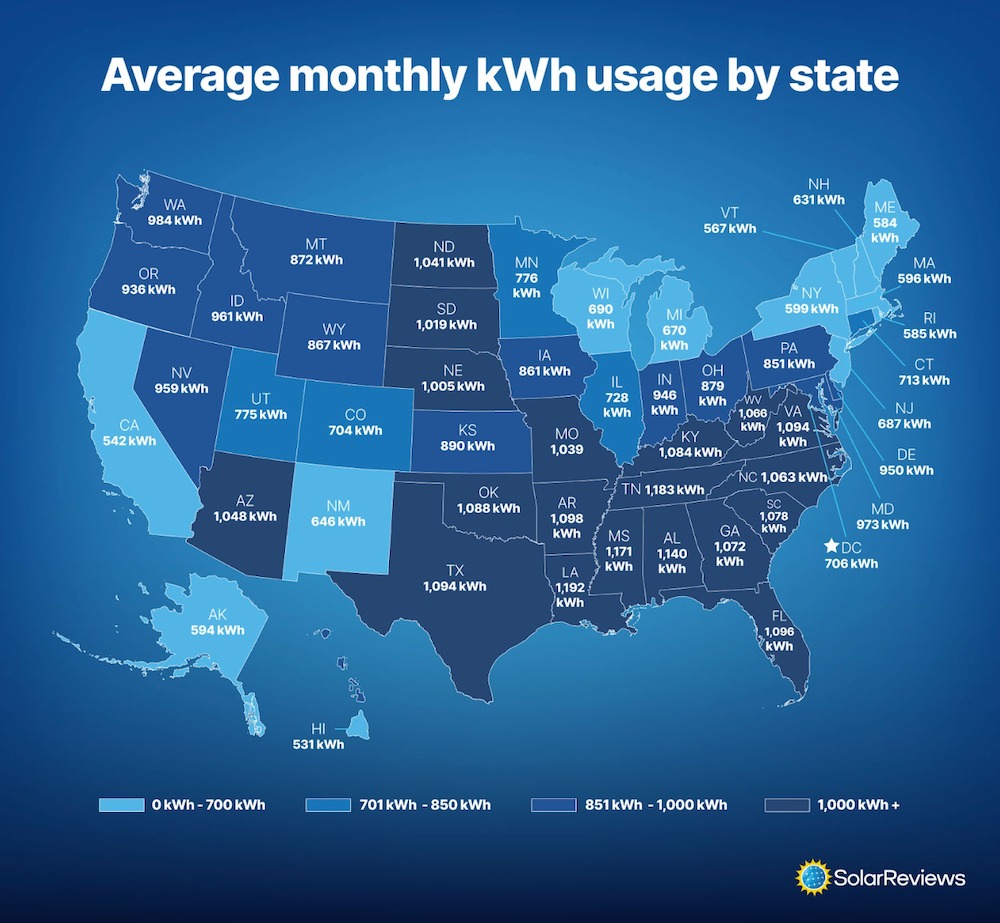
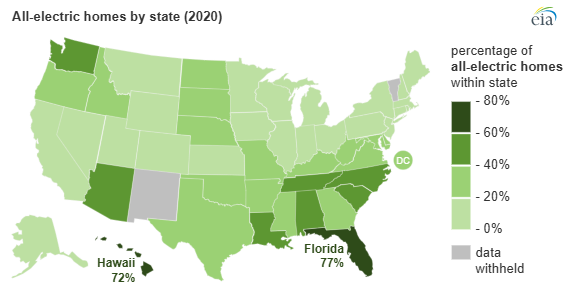
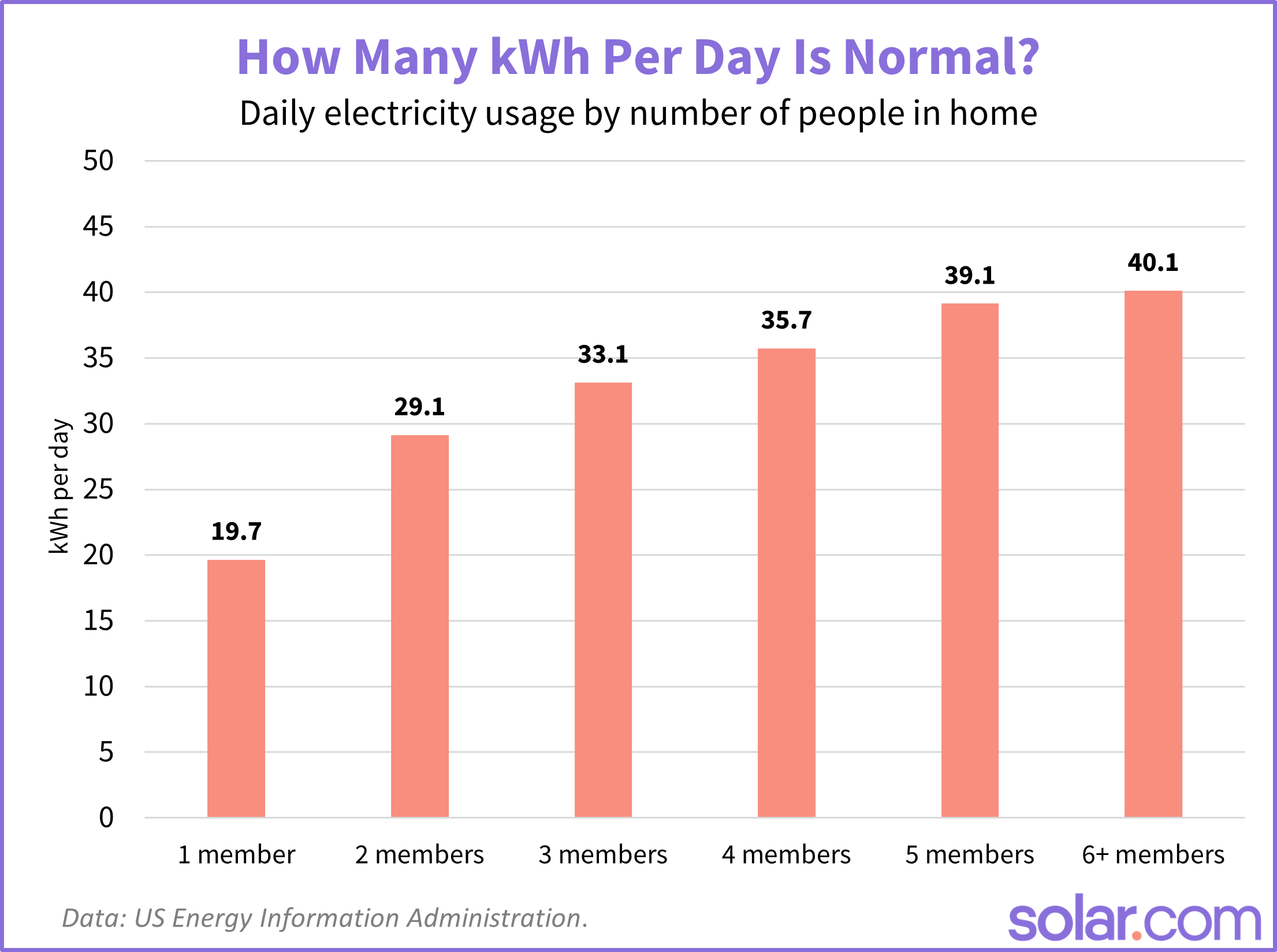
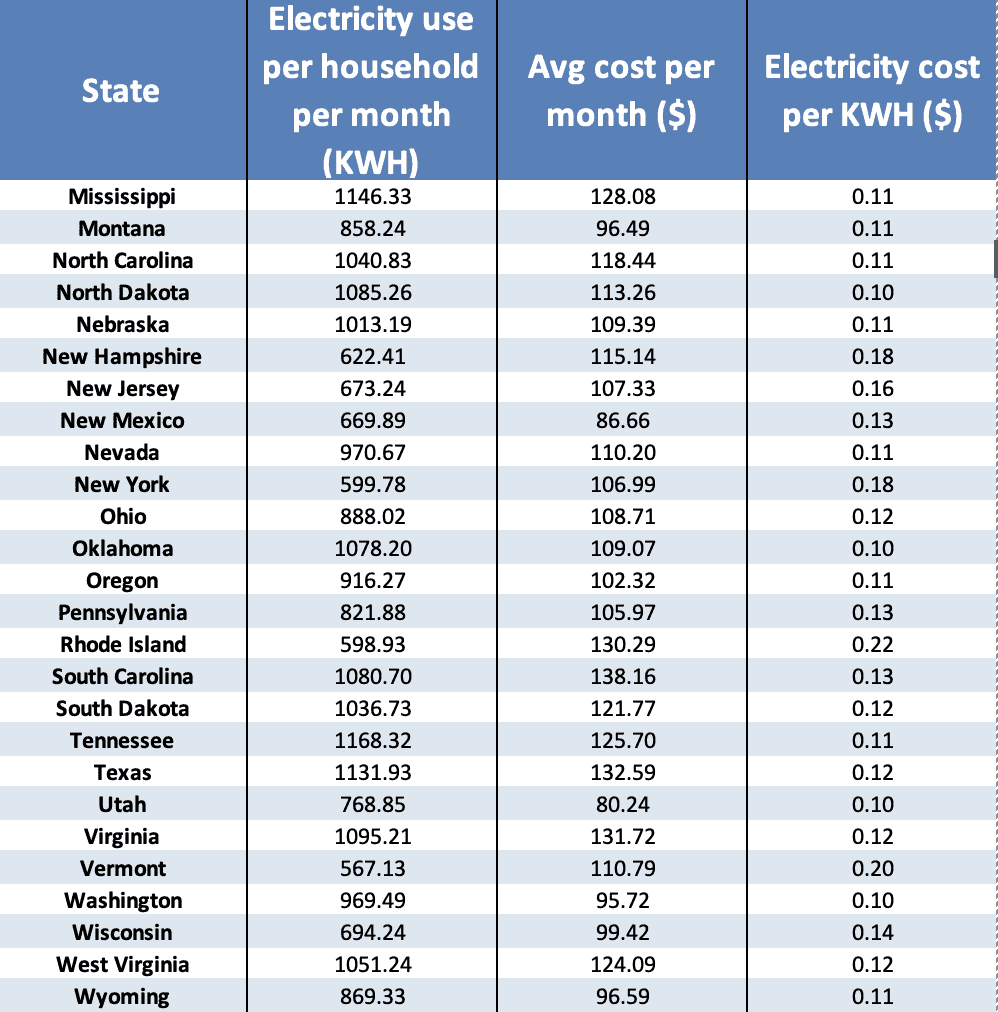
Let's get to the numbers. A typical US household uses around 30 kWh per day. That's a rough estimate, of course. Smaller apartments will use less, while larger homes with more occupants and energy-intensive appliances will use significantly more. Climate also plays a huge role. Homes in hotter climates that rely heavily on air conditioning can easily double or triple that average during peak summer months.
So, what factors influence your daily kilowatt consumption? Here are a few key players:
- Appliances: Refrigerators, ovens, washing machines, and dryers are major energy consumers. Older appliances tend to be less efficient, using more power to perform the same tasks.
- Heating and Cooling: This is often the biggest energy drain, especially if you use electric heating or air conditioning.
- Lighting: Switching to LED bulbs can make a noticeable difference. Incandescent bulbs are notoriously inefficient.
- Electronics: TVs, computers, gaming consoles, and even phone chargers contribute to your daily usage. Remember to unplug devices when not in use, as they can still draw power in standby mode (this is sometimes called "phantom load").
- Household Size: More people usually mean more laundry, more showers, and more overall energy consumption.
Figuring out your own home's kilowatt usage isn't as daunting as it sounds. You can start by checking your electricity bill. It will show your total monthly consumption in kWh. Divide that number by the number of days in the billing cycle to get your average daily usage. For a more detailed analysis, consider using an energy monitor. These devices plug into your outlets and track the energy consumption of individual appliances.
Understanding your daily kilowatt usage is the first step towards becoming an energy-conscious homeowner. By identifying energy hogs and making small changes to your habits, you can significantly reduce your energy bills and contribute to a more sustainable future. So, take control of your kilowatts – your wallet and the planet will thank you!