
How Many Kilowatt Hours To Charge An Electric Car

Ever wondered how much electricity it really takes to fuel up an electric car? It's not like filling a gas tank, that's for sure! Think of it more like charging your giant, rolling phone. Intriguing, right?
The Kilowatt-Hour (kWh) Connection
Okay, let's talk electricity. We measure it in kilowatt-hours (kWh). Imagine a kilowatt-hour as a unit of electrical energy, like a slice of electric pie.
The more slices you use, the more electricity you've consumed. So, how many slices does your electric car gobble up?
Must Read
Battery Size Matters
First things first: car batteries come in different sizes! Think small juice box versus giant family-sized carton. A car with a bigger battery (measured in kWh) can travel further on a single charge.
For example, a car with a 60 kWh battery is like having a bigger fuel tank. It'll generally need around 60 kWh to go from empty to fully charged.
Range Anxiety and Reality
Worried about running out of juice? That's range anxiety. But don't stress! Most electric cars these days have plenty of range.
A car with a 60 kWh battery might travel around 200-250 miles on a single charge. It really depends on the car model and your driving style!
Charging at Home: The Slow and Steady Approach
Most electric car owners charge at home. Think of it as plugging your car in overnight, like your phone. Convenient, right?
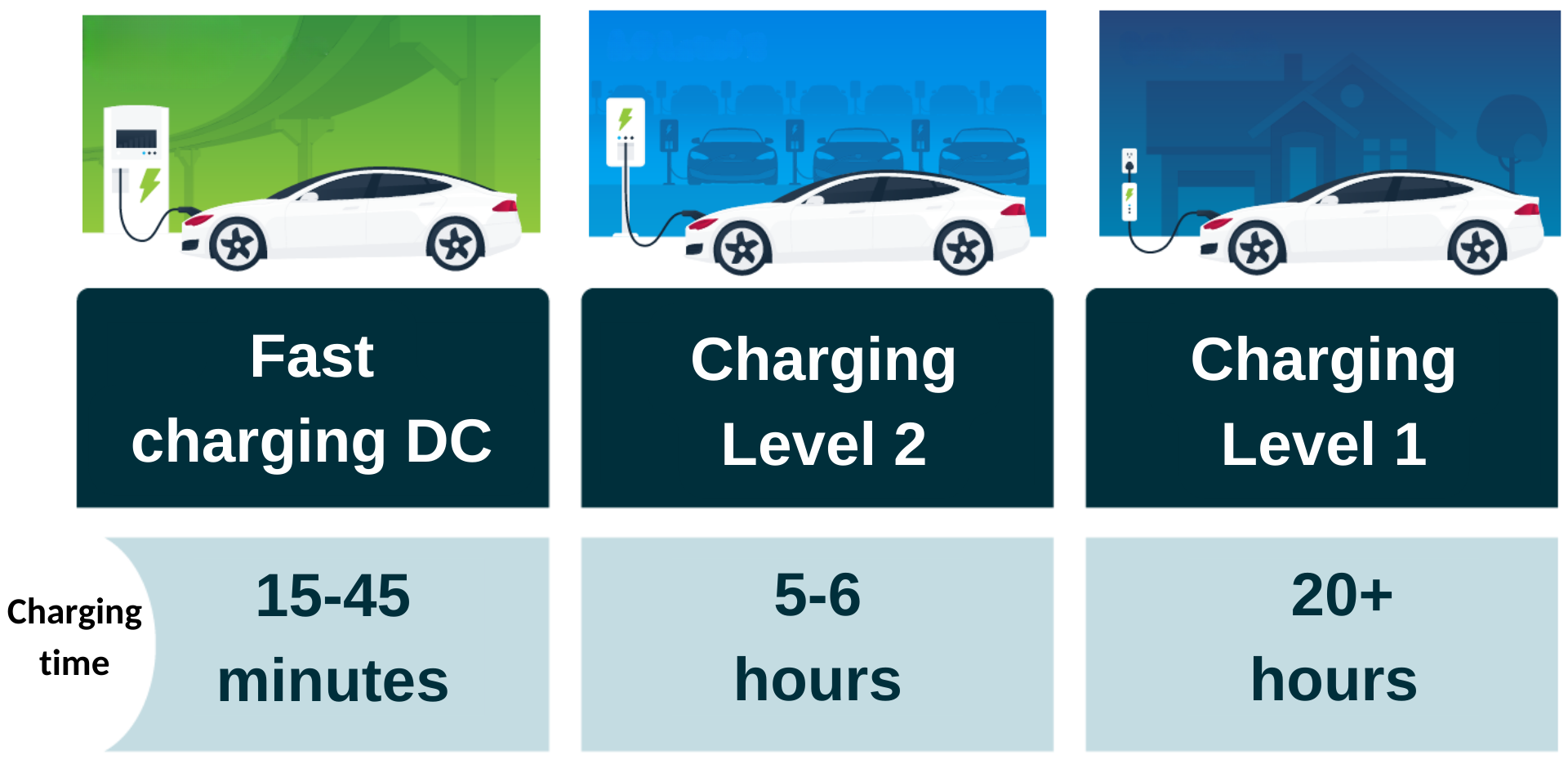
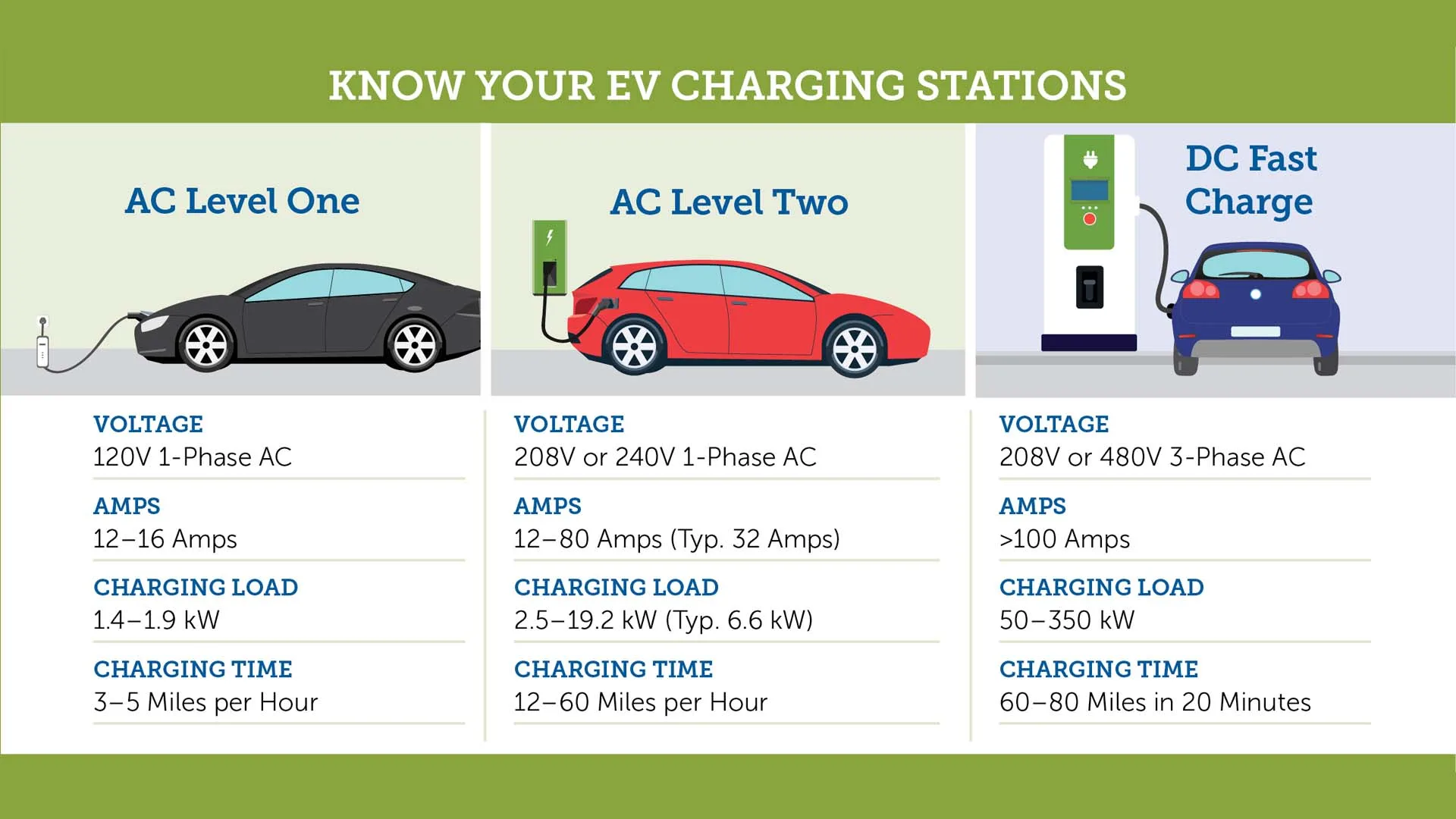
Home charging is generally slower. You might be adding about 3-5 miles of range per hour of charging. It depends on your charger's power.

Level 1 vs. Level 2 Charging
There are different types of home chargers. Level 1 is your standard wall outlet. Super slow, but it works!
Level 2 chargers are faster. You'll likely need to have one professionally installed. But it's worth it for the speed boost!
Level 2 charging can add around 20-30 miles of range per hour. Much better for overnight charging!
Public Charging: The Fast and Furious Option
Need a quick charge on the go? Public charging stations are your friends! They're like gas stations, but for electrons.
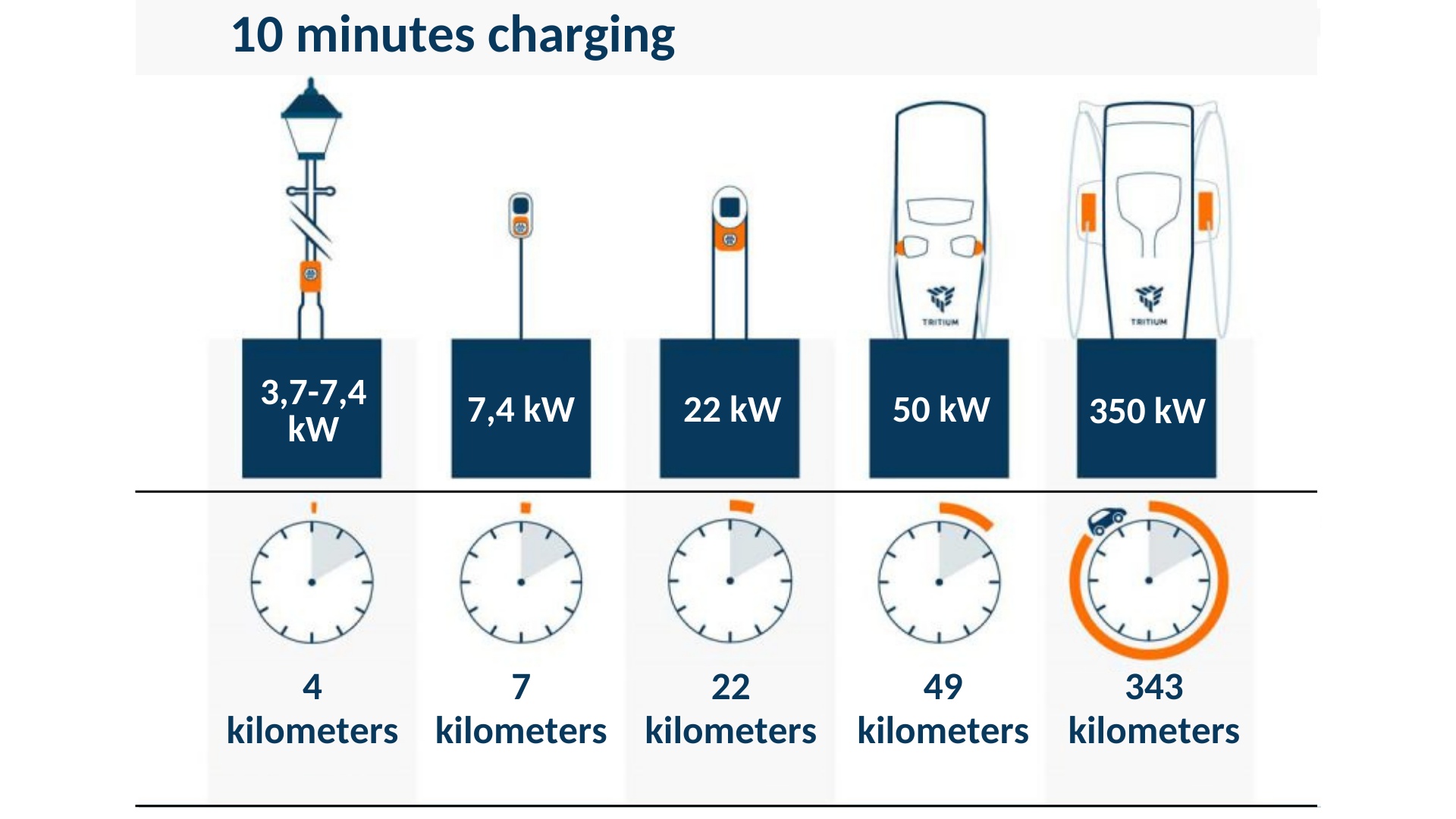
Public chargers come in different speeds too. Some are relatively slow, while others are super-fast DC fast chargers.
DC Fast Charging: A Lightning Bolt of Power
DC fast chargers are the superheroes of the charging world. They can add significant range in a short amount of time.
Imagine adding 100 miles of range in just 30 minutes! Pretty impressive, huh?
But keep in mind, DC fast charging isn't always the cheapest option. It often costs more per kWh than charging at home.
Calculating the Cost: Making Sense of the Numbers
So, how much does it actually cost to charge an electric car? Let's break it down!
First, check your electricity bill. Find out how much you pay per kWh. This varies depending on where you live.
Example Time: Let's Do the Math
Let's say you pay $0.20 per kWh. And let's say your car has a 60 kWh battery.
To fully charge from empty, it would cost you around $12 (60 kWh x $0.20/kWh). Not bad, right?
Compare that to filling up a gas tank! The savings can really add up over time. It's a nice feeling, knowing you're saving money and helping the planet.
Factors Affecting Charging Efficiency
Okay, it's not always as simple as multiplying the battery size by the kWh cost. A few things can affect how much electricity your car actually uses.
Think of it like cooking: sometimes you waste a little bit of ingredients. The same thing can happen with electricity!
Temperature's Role
Temperature can play a big role! Cold weather can reduce battery performance. You might need to use more kWh to travel the same distance.
Hot weather can also affect things, but generally not as much as cold weather. So, keep that in mind during those winter months!
Driving Habits: Easy Does It
Your driving style matters too! If you're a lead-foot driver, you'll use more electricity. Gentle acceleration and braking will help you maximize your range.
Think of it as driving a regular car: the harder you push the gas pedal, the more fuel you burn.
Charger Efficiency: Not All Chargers Are Created Equal
Even the charger itself can affect efficiency! Some chargers are more efficient than others. A more efficient charger will waste less electricity during the charging process.
It's a bit technical, but something to be aware of. It's a small factor, but it can add up over time.
The Bottom Line: Electric Cars Are Awesome
So, how many kilowatt-hours does it take to charge an electric car? It depends! But hopefully, you now have a better understanding of the factors involved.
From battery size to charging speed to driving habits, a lot goes into it. But the end result is still pretty amazing!
Electric cars are fun to drive, environmentally friendly, and can save you money on fuel. What's not to love?
Beyond the Numbers: The Electric Car Experience
Ultimately, the best way to understand electric cars is to experience one yourself! Take a test drive. Talk to electric car owners.
You might be surprised by how much you enjoy it. The instant torque, the quiet ride, and the feeling of contributing to a cleaner future are all pretty special.
So, ditch the range anxiety and embrace the electric revolution! It's an exciting time to be alive, and electric cars are a big part of that excitement. And remember, understanding kWh is the key to unlocking the full potential of your electric ride. Happy driving!
Embrace the future. Go electric!