
How Many Kilowatt Hours To Charge A Tesla Model 3

So, you're thinking about joining the electric car revolution? Awesome! Maybe even eyeing that sleek, stylish Tesla Model 3? Fantastic choice! But before you dream of silent speed and guilt-free commutes, a little practical knowledge is key.
Let's talk electricity. How much juice does it take to fill up that battery? What are we looking at in terms of kilowatt-hours (kWh)?
Think of kWh as your electric car's "gallon of gas." It's how we measure the energy going into your battery.
Must Read
The magic number you'll hear buzzing around is somewhere between 50 kWh and 75 kWh. But why the range? Well, the Model 3 comes in different flavors, each with a slightly different battery size. The Standard Range Plus will slurp up less electricity than the Long Range, naturally.
Imagine filling a small coffee cup versus a giant travel mug. Same principle!
So, How Many kWh EXACTLY?
Okay, okay, I get it. You want specifics. For the Standard Range Plus, you’re looking at needing around 50-55 kWh to go from empty to full. The Long Range? That one is thirstier, requiring closer to 70-75 kWh.
But hold your horses! Rarely will you actually drain your battery completely to zero. Driving until the battery is dry is something you avoid doing.
Most of the time, you'll be topping off. Plugging in after a daily commute. Adding a bit of juice before a weekend road trip.
Let's say you drive about 30 miles a day. You might only need to add 10-15 kWh each night. Easy peasy!
Think of it like snacking. You don't need to eat a whole Thanksgiving dinner every time you're hungry, right? Just a little something to keep you going.
The Charging Party: Factors That Matter
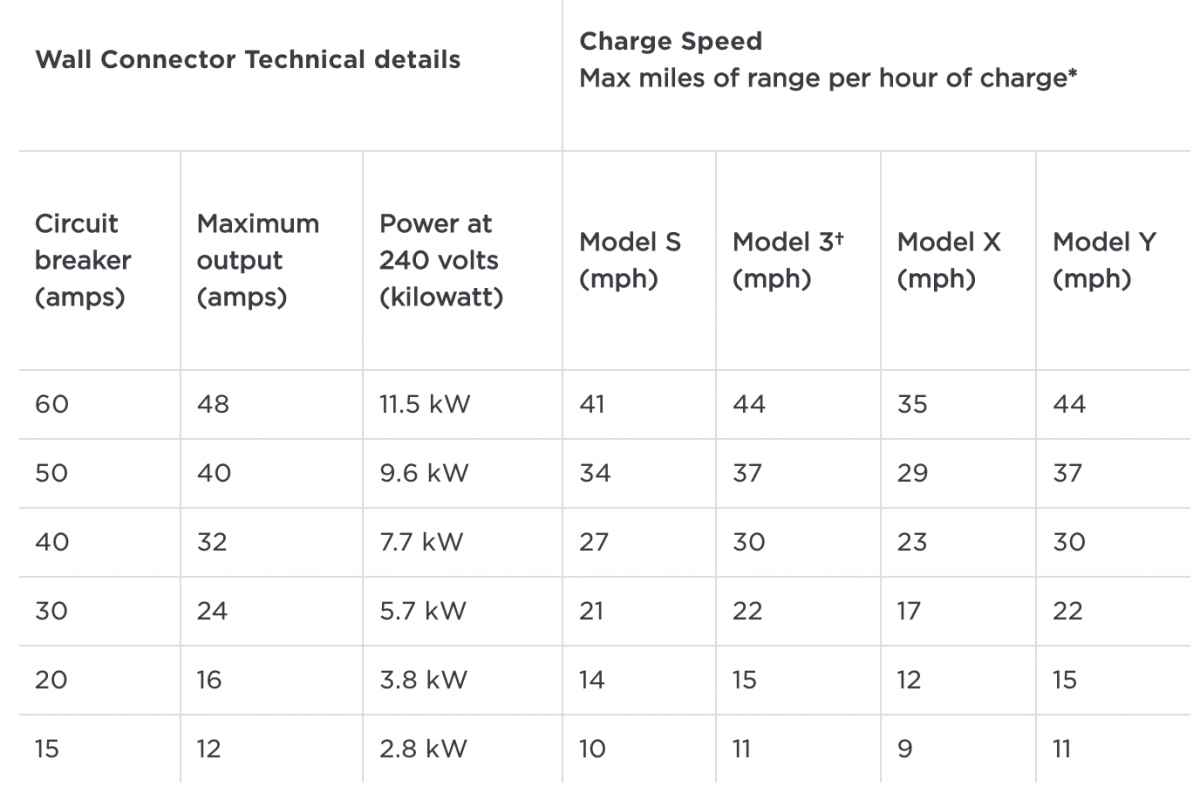
Of course, real-world charging isn't always a perfect equation. Several factors influence how many kWh you'll actually use.
Driving style: Are you a lead-foot speed demon or a gentle glider? Aggressive driving drains the battery faster. Think of it as sprinting versus jogging – one burns way more energy.
Weather: Extreme temperatures can impact battery efficiency. Cold weather especially can reduce your range. Imagine trying to run a marathon in a blizzard. Tough, right?
Charging Method: Are you using a home charger, a public charger, or a supercharger? Different chargers have different efficiencies. It’s like using a slow cooker versus a microwave. Both cook, but one's much faster (and potentially a bit less efficient).

Battery Age: Like any battery, your Tesla's battery will degrade slightly over time. This means it might hold a little less charge than when it was brand new. Think of it like your phone battery – it doesn't last quite as long after a few years.
Despite these factors, estimating your kWh usage is pretty straightforward. Most Tesla owners find they quickly learn their car's charging habits and plan accordingly.
Why This Matters (and Why It's Fun!)
Knowing your kWh usage is important for budgeting. Electricity costs money, after all! But it's also kind of fun. It's like a game, optimizing your driving and charging habits to get the most out of your battery.
Suddenly, you're not just driving. You're participating in a high-tech dance with your car, maximizing efficiency and minimizing your carbon footprint.

Plus, consider the cost savings! Compared to gasoline, electricity is often significantly cheaper. Imagine all the extra money you'll have for fun stuff!
Beyond the cost, it's about consciousness. Knowing how much energy you're using encourages you to be more mindful of your consumption. You become an energy-aware driver, part of a bigger movement towards sustainability.
So, while the exact number of kWh to charge your Model 3 might vary, understanding the basics is key. It empowers you to make informed decisions, save money, and embrace the exciting world of electric vehicles. Get ready to plug in, power up, and hit the road! It's an electrifying experience, I promise!
Embrace the future!