
How Many Hours Of Sunlight Do Solar Panels Need
So, you're thinking about solar panels? Awesome! You probably wonder, "How much sunlight do these things really need?" Let's dive in, shall we?
The Sunshine Myth
Everyone tells you solar panels need blazing, all-day sunshine. Like you're living in the Sahara. That's the dream, right? But what if I told you... it's not entirely true?
Peak Sun Hours: What's the Fuss?
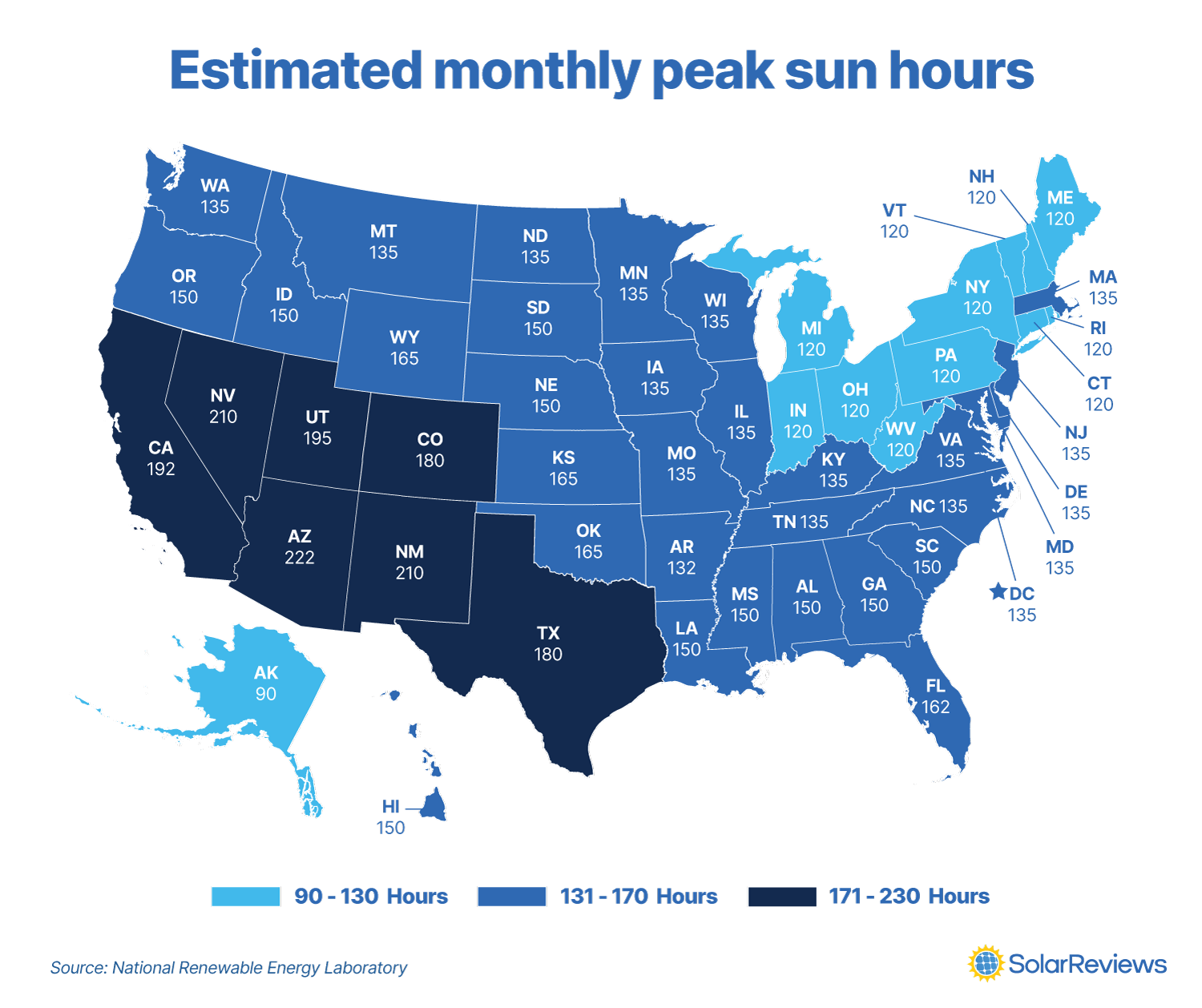
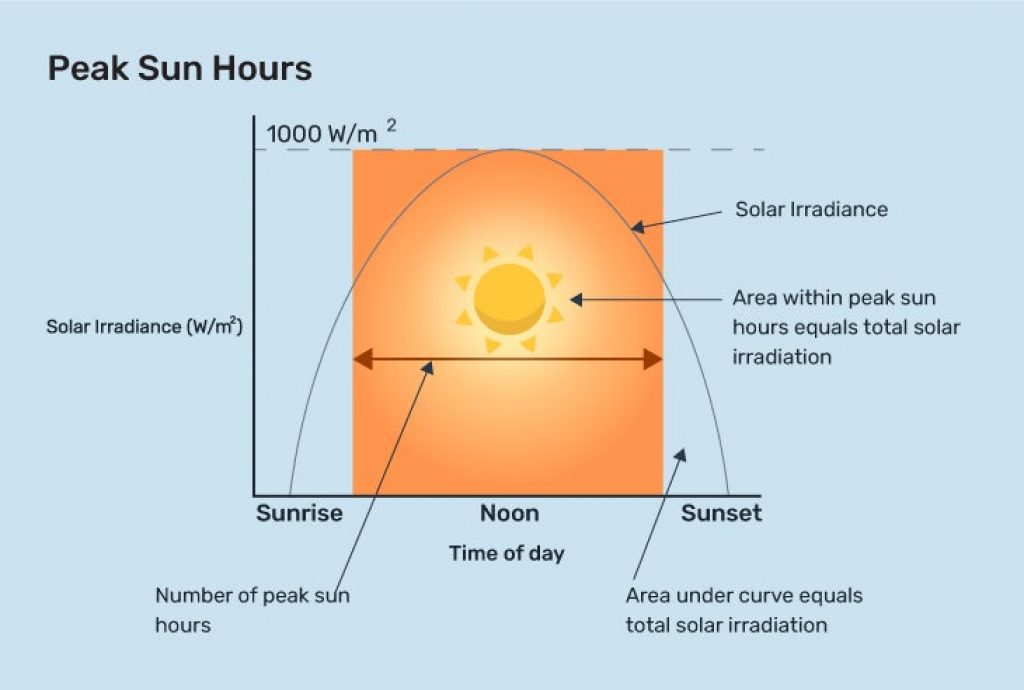
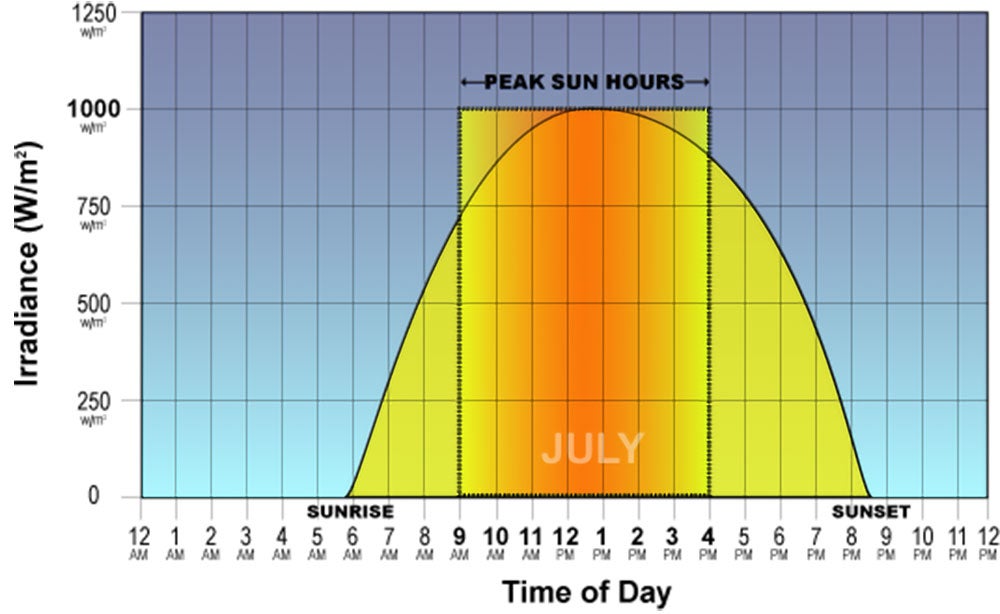
You'll hear about "peak sun hours." It’s a measurement of sunlight intensity. Basically, how much sunshine power hits your panels. Don't let it intimidate you.
Must Read
Think of it like watering your plants. Peak sun is like giving them a concentrated dose of sunshine-water. But even cloudy days can provide drips of sunlight-water, right?
My Unpopular Opinion: Clouds Are Underrated
Here's where I might lose some of you. I think clouds get a bad rap! Seriously. They're not the sunshine villains we make them out to be.
Hear me out. Cloudy days still have light. Solar panels still work. They just don't work at peak efficiency.
It's like ordering a pizza. You might not get your favorite pizza, but you still get pizza! And pizza is always good.
Real-World Sunlight Scenarios
Let's break down some common scenarios. Imagine you live somewhere that isn't perpetually sunny. Don't despair!
The "Mostly Sunny" Scenario
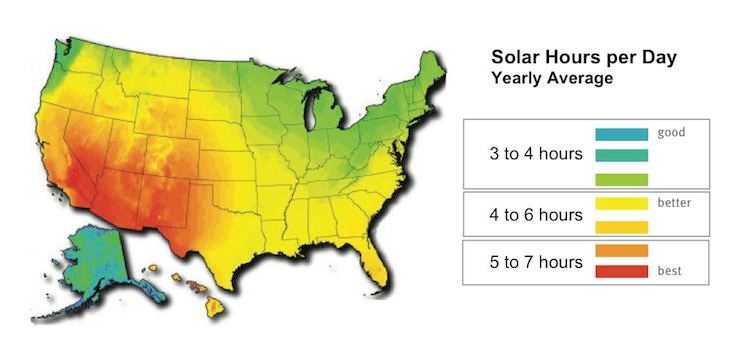
You get a decent amount of sunshine most days. Perfect! Your solar panels will thrive. Think of it as the "Goldilocks" zone of solar power.
You'll generate a good chunk of energy. Maybe even enough to power your entire home. Time to brag to your neighbors!
The "Partly Cloudy" Scenario
Ah, welcome to the club. Some sun, some clouds. This is the reality for many. Don't worry; you can still benefit from solar.
Your panels will still generate power. Just not as much as on those blazing sunny days. It's like a slightly weaker cup of coffee. Still does the trick!
You might need a slightly bigger system. Or you might just save a little less money each month. Small price to pay for going green, right?
The "Frequently Cloudy" Scenario
Okay, this is the challenging one. Lots of clouds. Frequent rain. But even here, solar is still possible.
You'll need a well-designed system. A system that maximizes even the weakest sunlight. Think of it as solar panel ninjas, squeezing power from every ray.
You'll also likely need battery storage. To store the energy you generate on the sunnier days. So you can use it when the clouds roll in. It's like having a sunshine piggy bank!
Factors Affecting Sunlight Needs
It's not just about the sun. Other things affect how much sunlight your panels need. Let's take a look.
Panel Type
Different panels have different efficiencies. Some are better at converting sunlight into electricity. It's like comparing a Prius to a Hummer.
More efficient panels need less direct sunlight. They're like solar sponges, soaking up every last ray. Do your research!
Panel Angle and Orientation
The angle of your panels matters. They need to face the sun to get the most direct sunlight. It's like tilting your face towards the sun when you're sunbathing.
A professional installer can help you determine the optimal angle. They're like solar compasses, pointing you in the right direction.
Shading
Shade is the enemy of solar panels. Even a small amount of shade can significantly reduce power generation. Trim those trees!
Think of shade as solar panel kryptonite. Avoid it at all costs! Unless you want your electric bill to skyrocket.
How to Optimize Your Solar Setup
Ready to maximize your solar power? Here are a few tips.
Monitor Your System
Most solar systems come with monitoring tools. These tools let you track your energy production. It's like having a solar dashboard in your living room.
You can see how much energy you're generating each day. And identify any potential problems. It’s like being a solar detective.
Clean Your Panels
Dust and dirt can reduce the efficiency of your panels. Give them a good cleaning every now and then. It's like giving your car a wash.
A little bit of cleaning can go a long way. Especially in dusty areas. Think of it as solar panel hygiene.
Consider Energy Storage
Battery storage can be a game-changer. Especially if you live in a cloudy area. It allows you to store excess energy for later use.
It's like having a backup generator. But instead of gas, it's powered by the sun. Pretty cool, huh?
The Bottom Line: Embrace the Imperfect Sun
Solar panels don't need perfect sunshine to work. They need sunlight. And even on cloudy days, there's still sunlight.
Don't let the fear of imperfect sunshine hold you back. Solar energy is a great investment. For your wallet and the planet.
So go ahead, embrace the imperfect sun! And start generating your own clean energy. You might even surprise yourself with how much power you can generate.
Remember solar panel efficiency depends on peak sun hours, but even during
cloudy days, you can still produce renewable energy.
Ultimately, the best way to determine how much sunlight your solar panels need is to consult with a qualified solar installer. They can assess your specific situation and recommend the right system for your needs. Don’t be afraid to ask about different panel types and installation options.
So, are you ready to harness the power of the sun, even with a few clouds in the sky? Let’s all do our part to create a more sustainable future, one solar panel at a time!