
How Many Gallons Of Propane In A 200 Lb Tank
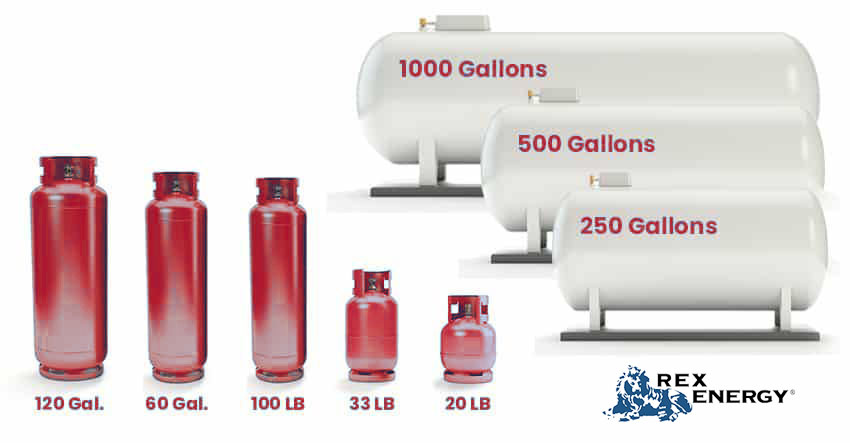
Ever wondered about the secret life of your propane tank? You know, the one that keeps your BBQ sizzling or your patio heater toasty? Let's dive into a fascinating question: How many gallons of propane are actually hiding inside that seemingly ordinary 20 lb tank?
The Curious Case of the 20 lb Tank
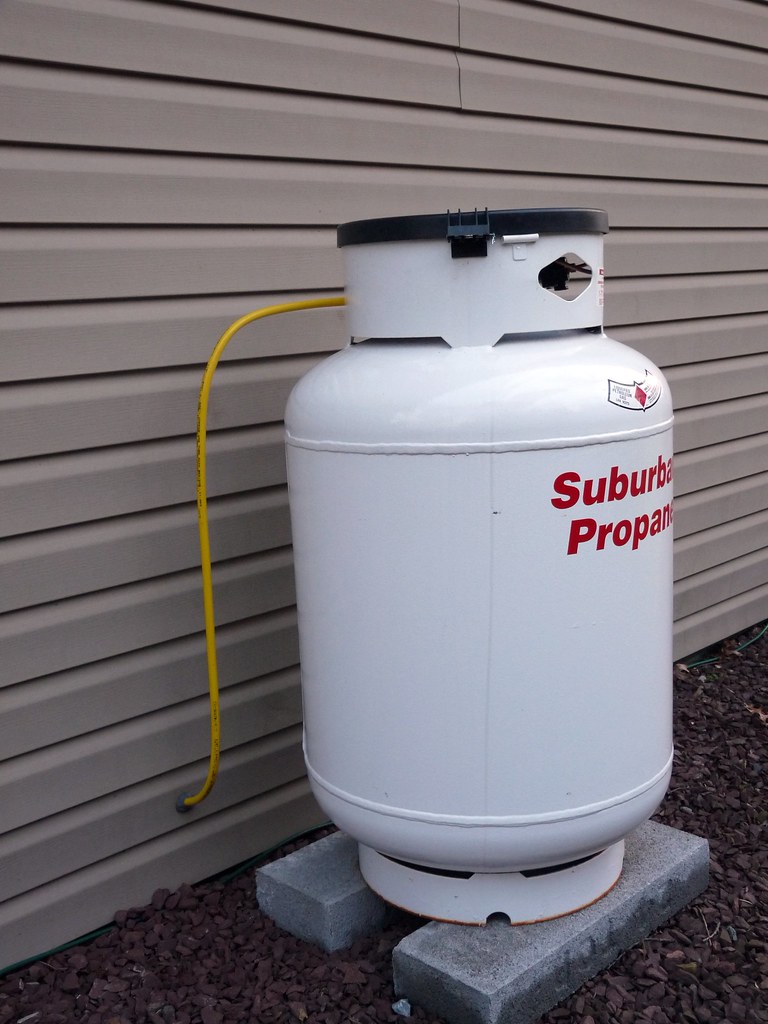
First things first, let's clarify something important. We're talking about a standard 20 lb propane tank. These are the typical tanks you see everywhere. Think grilling, camping, or maybe even powering a small appliance. They're practically the superheroes of outdoor fun!
Now, "20 lb" refers to the weight of the propane inside the tank. Not the weight of the whole tank itself. Confusing? A little, but stick with me!
Must Read
The Gallon Gambit
Here's the big reveal: A 20 lb propane tank holds approximately 4.7 gallons of propane. That's right, almost five gallons of fuel ready to power your adventures. It’s like a tiny energy reservoir!
But wait, there's a catch! Propane expands and contracts with temperature. So, the exact amount you get can vary slightly depending on the weather.
Imagine your propane tank as a balloon. On a hot day, the propane expands, taking up more space. On a cold day, it shrinks. Nature's a funny thing, isn’t it?
Why This Matters (and Why It's Kinda Fun)
Knowing how many gallons are in your tank isn't just trivia. It's actually pretty useful. Especially when planning your next outdoor escapade.
Planning a week-long camping trip? You can estimate how much propane you'll need for your portable stove or lantern. No more running out of fuel mid-s'more-making!
Prepping for a big backyard BBQ? Knowing your propane capacity means you won't have to make a last-minute dash to the store during the burger-flipping frenzy. Crisis averted!
The Thrill of the Calculation
Want to get even more precise? You can calculate the propane level in your tank! It’s like becoming a propane detective.
First, you'll need to know the weight of the empty tank. This is usually stamped on the tank's collar. It's often called the "tare weight" or "TW."
Next, weigh the full (or partially full) tank. Subtract the tare weight from the total weight. The result is the weight of the propane inside.
Then, divide the weight of the propane by 4.2. Why 4.2? Because propane weighs approximately 4.2 pounds per gallon. Voila! You've estimated the gallons of propane remaining.
Beyond the 20 lb Tank: A World of Propane
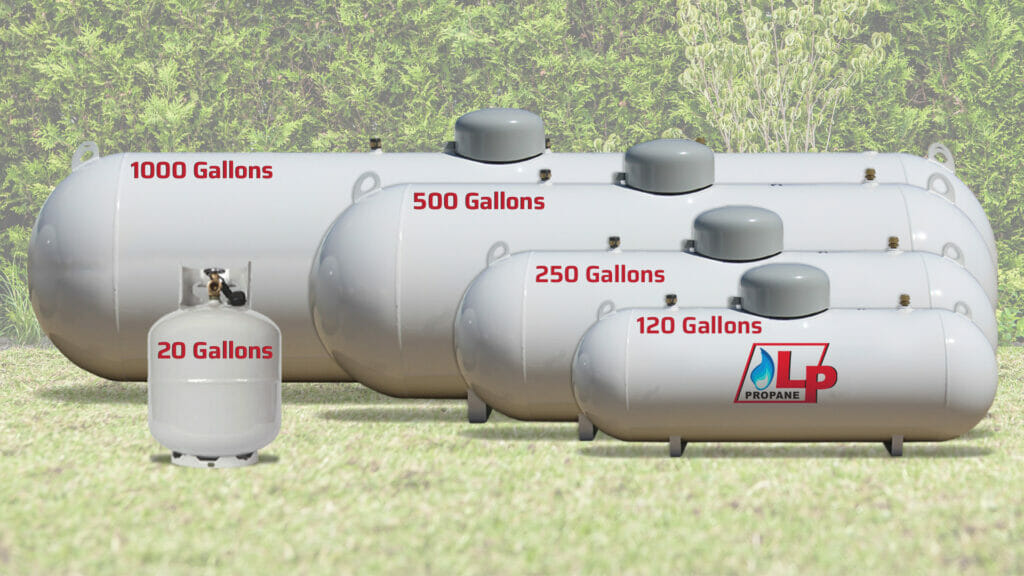
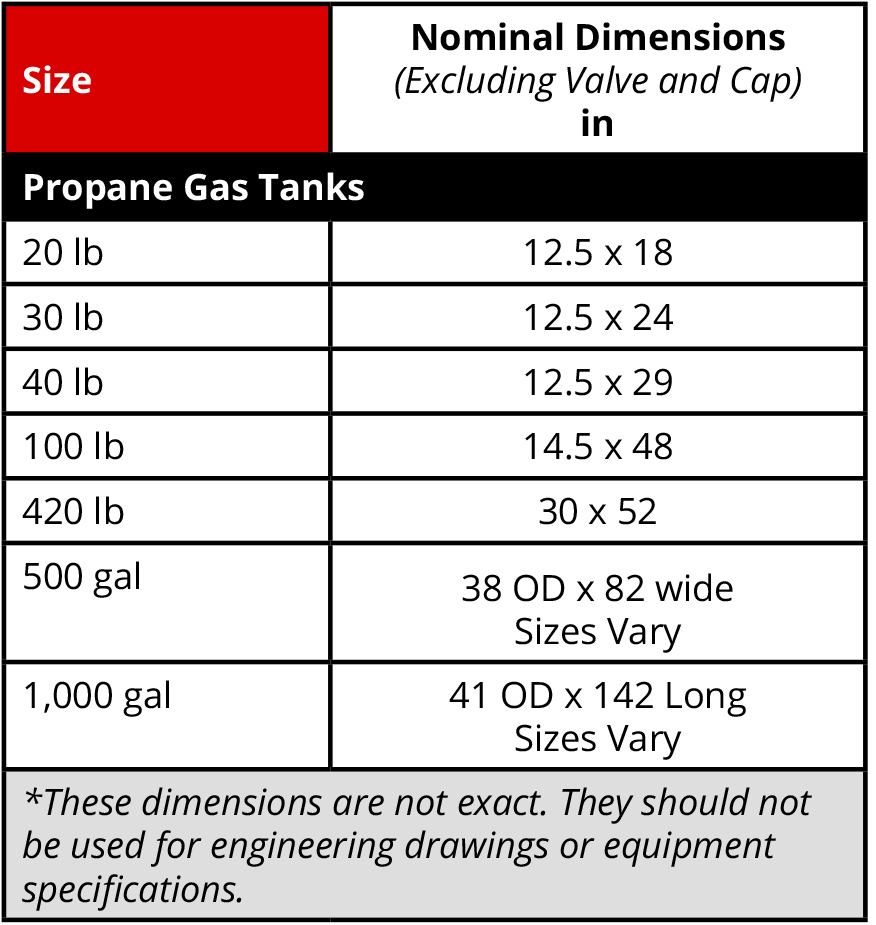
The 20 lb tank is just the tip of the iceberg. Propane comes in all shapes and sizes. From small, portable canisters to massive tanks that fuel entire homes.
Larger tanks, like those used for home heating, can hold hundreds or even thousands of gallons of propane. They're like the giant sequoias of the propane world.
These larger tanks offer a more consistent supply of fuel. This is ideal for powering appliances like furnaces, water heaters, and clothes dryers.
Propane: The Versatile Fuel
Propane is incredibly versatile. It's not just for grilling and heating. It powers forklifts, buses, and even some cars. Who knew?
It's also a relatively clean-burning fuel compared to gasoline or diesel. Making it a more environmentally friendly choice in certain applications.
Plus, propane is readily available in most areas. Making it a convenient and reliable energy source.
The Entertainment Factor
So, why is all this propane talk so entertaining? Well, it's about more than just numbers and calculations. It's about understanding the power behind our everyday comforts.
It's about appreciating the ingenuity that allows us to harness this energy source. And use it to enhance our lives.
It's also about the satisfaction of being a little bit more self-sufficient. Knowing you can manage your propane supply and plan accordingly. That’s a pretty empowering feeling!
Embrace Your Inner Propane Pro
Don't be intimidated by the world of propane. It's actually quite fascinating. And understanding the basics can make you a more informed consumer.
Take a moment to check out your propane tank. Note its tare weight. Maybe even try calculating the remaining gallons. You might surprise yourself with how much you enjoy it!
And next time you fire up the grill, take a moment to appreciate the humble propane tank. It's the unsung hero of countless backyard barbecues. The provider of warmth on chilly evenings. A true fuel for fun and adventure!
Fun Facts About Propane!
Did you know that propane is naturally odorless? A scent is added to it. This helps you detect leaks. Safety first!
Propane is sometimes called liquefied petroleum gas (LPG). It’s the same stuff, just a different name.
Propane has a high octane rating. This makes it a good fuel for internal combustion engines.
The Joy of Discovery
The world is full of hidden wonders. Even something as seemingly mundane as a propane tank can reveal fascinating insights.
So, embrace your curiosity. Ask questions. Explore the things that spark your interest. You never know what you might discover!
And remember, even a little knowledge can go a long way. Especially when it comes to understanding the things that power our lives.
Final Thoughts
So, there you have it! Approximately 4.7 gallons of propane are in a 20 lb tank. Now you’re armed with knowledge. Go forth and grill with confidence!

Understanding how much fuel you have on hand can make all the difference. Especially when you're relying on propane for cooking, heating, or other essential tasks.
And who knows? Maybe this newfound knowledge will inspire you to explore other fascinating aspects of the energy world. The possibilities are endless!
The Next Adventure
Ready for your next adventure? Consider learning more about different types of fuels. Or exploring the history of energy production.
There's a whole universe of information out there. Waiting to be discovered. All it takes is a little curiosity and a willingness to learn.
So, keep exploring. Keep asking questions. And never stop seeking knowledge. The world is your oyster!
Disclaimer
Always follow safety guidelines when handling propane. Consult a professional if you have any concerns. Improper handling can be dangerous.
And remember, this article is for informational purposes only. Always consult with a qualified professional for specific advice related to your propane usage and safety.
Enjoy your propane-powered adventures, safely and responsibly!