How Many Gallons Does The Average Shower Use

Ever wondered where all the water goes after a refreshing shower? It swirls down the drain, seemingly disappearing, but the truth is, a surprising amount of water is used during those few precious minutes. Understanding just how much water we use in the shower isn't just a matter of curiosity; it's a key to understanding our environmental impact and finding ways to conserve water – and maybe even save a few bucks on your water bill! Plus, let's be honest, shower thoughts are deep enough; we don't need to add "water usage anxiety" to the mix. So, let's dive in!
The purpose of knowing your shower's water consumption is multifaceted. Primarily, it helps you track your water footprint. This awareness can then motivate you to make more eco-conscious choices. Benefits include contributing to water conservation efforts, reducing strain on local water resources, and potentially lowering your monthly utility bills. Who doesn't love a win-win-win situation?
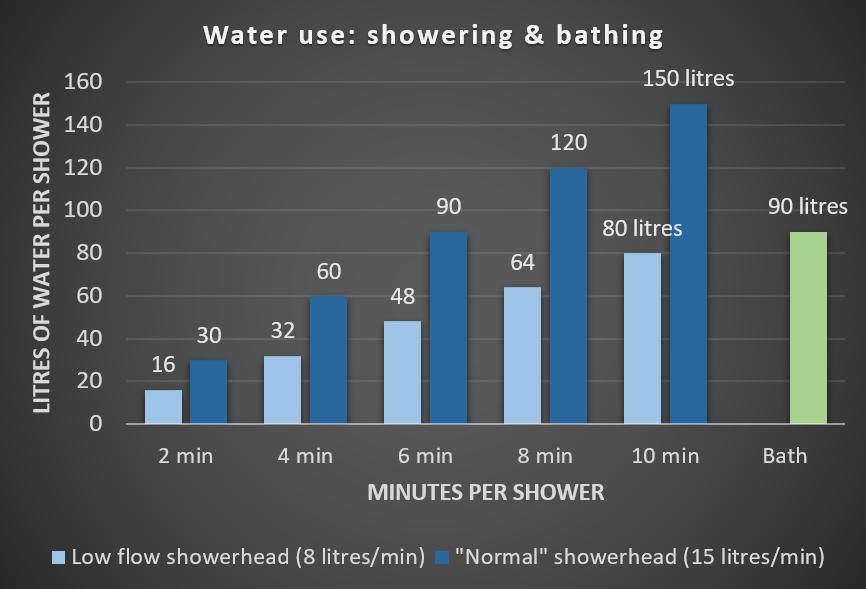
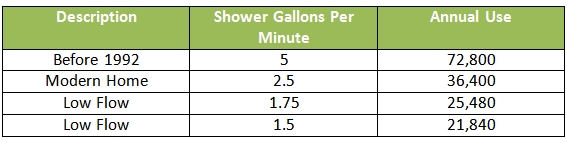
Okay, so how many gallons are we talking about? The answer isn't a simple number, as it depends on a few factors, including the type of showerhead and the length of your shower. Older showerheads, manufactured before 1992, could gush out as much as 5.5 gallons per minute (GPM)! Fortunately, newer, more efficient showerheads are now the standard, with a flow rate of 2.5 GPM or less. Some even boast rates as low as 1.5 GPM. Look for the WaterSense label when shopping for a new showerhead – it guarantees water efficiency.
Must Read
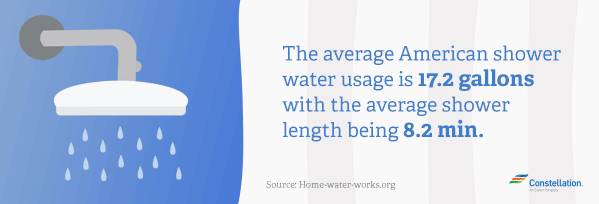
So, let’s do some quick math. If the average shower lasts around 8 minutes (though some might argue theirs are closer to 5, while others… well, let's not judge!), and you have a standard 2.5 GPM showerhead, you're using approximately 20 gallons of water per shower. (8 minutes x 2.5 gallons/minute = 20 gallons). That means, for many people, the average shower uses around 20 gallons of water. However, it’s important to remember this is an average. A long, luxurious shower with an old showerhead could easily guzzle 40 gallons or more!
What can you do to be more water-wise? First, check your showerhead’s flow rate. You can usually find this information printed on the showerhead itself. If it's higher than 2.5 GPM, consider upgrading to a more efficient model. Second, be mindful of your shower time. Try setting a timer (your phone works great!) to keep yourself on track. Third, implement the "navy shower" technique: wet yourself, turn off the water while you lather up, and then turn it back on to rinse. It might sound extreme, but it can significantly reduce water consumption. Finally, collecting the cold water that comes out before the warm water arrives is a great option to water plants!
Ultimately, understanding your shower's water usage is a small but significant step towards a more sustainable lifestyle. So, next time you step into the shower, take a moment to consider where that water is coming from and where it's going. You might be surprised at the impact a few simple changes can make!