
How Many Does Can You Kill In Alabama For Deer
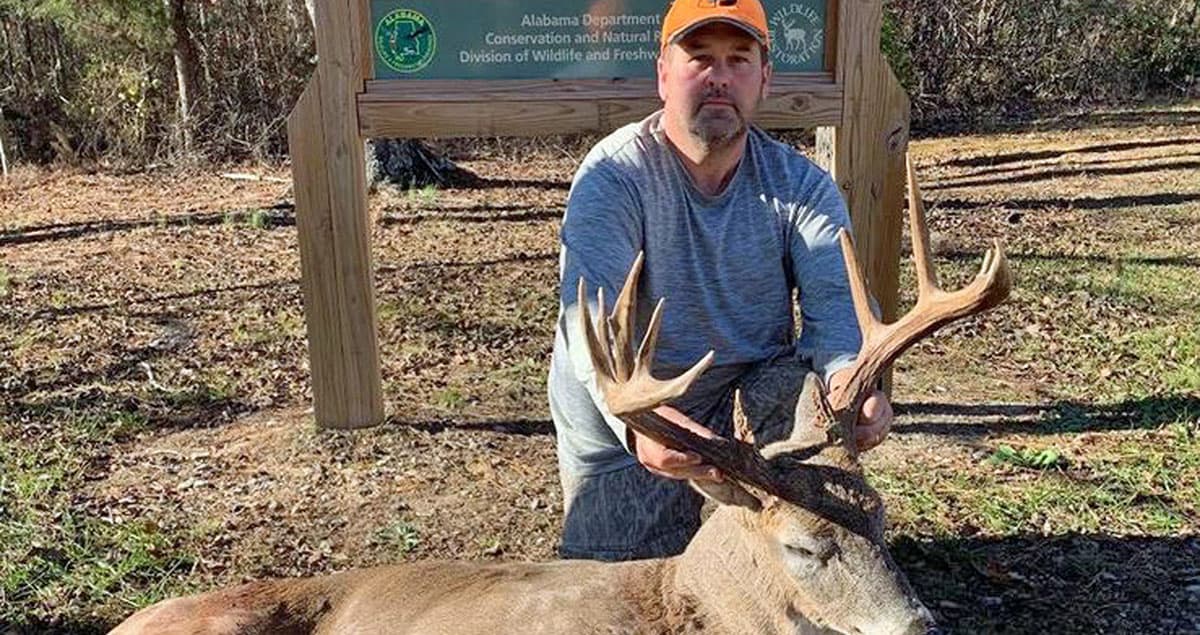
Alright, fellow outdoor enthusiasts, let's dive into a topic that's sure to get your pulse racing – deer hunting in Alabama! Specifically, we're tackling the burning question: How many does can you harvest in the Yellowhammer State?
Now, before you envision filling your freezer with venison solely from does, let's clarify a few things. Alabama, like most states, has regulations in place to ensure a healthy and balanced deer population. After all, nobody wants to deplete the herd! And let's be honest, the thrill of the hunt is much better when there are deer to hunt, right?
The Doe-mination Situation: Understanding Alabama's Deer Harvest Rules
Okay, so how many does can you actually take? Well, it depends. (Isn't that always the way?) Alabama's deer hunting regulations are based on Deer Management Units (DMUs). The state is divided into different DMUs, and each one might have slightly different rules regarding antlerless deer harvest.
Must Read
Think of it like this: some DMUs might have a higher deer population, so they can allow more doe harvests. Other DMUs might need to focus on herd growth, so they'll have stricter limits. It's all about finding that sweet spot for ecological balance!
The key takeaway here? You absolutely need to consult the Alabama Department of Conservation and Natural Resources (ADCNR) hunting regulations. Seriously, do it! They have all the detailed information about DMUs, bag limits (that's the number of deer you can harvest), and season dates. You can usually find this info online or pick up a printed copy at your local hunting supply store. Don't be "that" guy who gets a hefty fine for not knowing the rules!
Why is this so important? Because following the regulations ensures that we can all enjoy deer hunting for years to come. It's about being a responsible hunter and a good steward of the land. Plus, avoiding those fines is a definite bonus!
The regulations often specify things like:
*Specific dates for antlerless deer hunting (sometimes it's only allowed during certain weeks or weekends).
The number of does you can harvest per day, week, or season.
*Any DMU-specific restrictions.
Seriously, read the regulations. I can't stress this enough! It's your responsibility as a hunter.
Beyond the Numbers: The Ethical Hunter
But let's go beyond just the legal limits. Being an ethical hunter is about more than just following the rules. It's about making responsible decisions in the field.
Consider these questions before you pull the trigger on a doe:
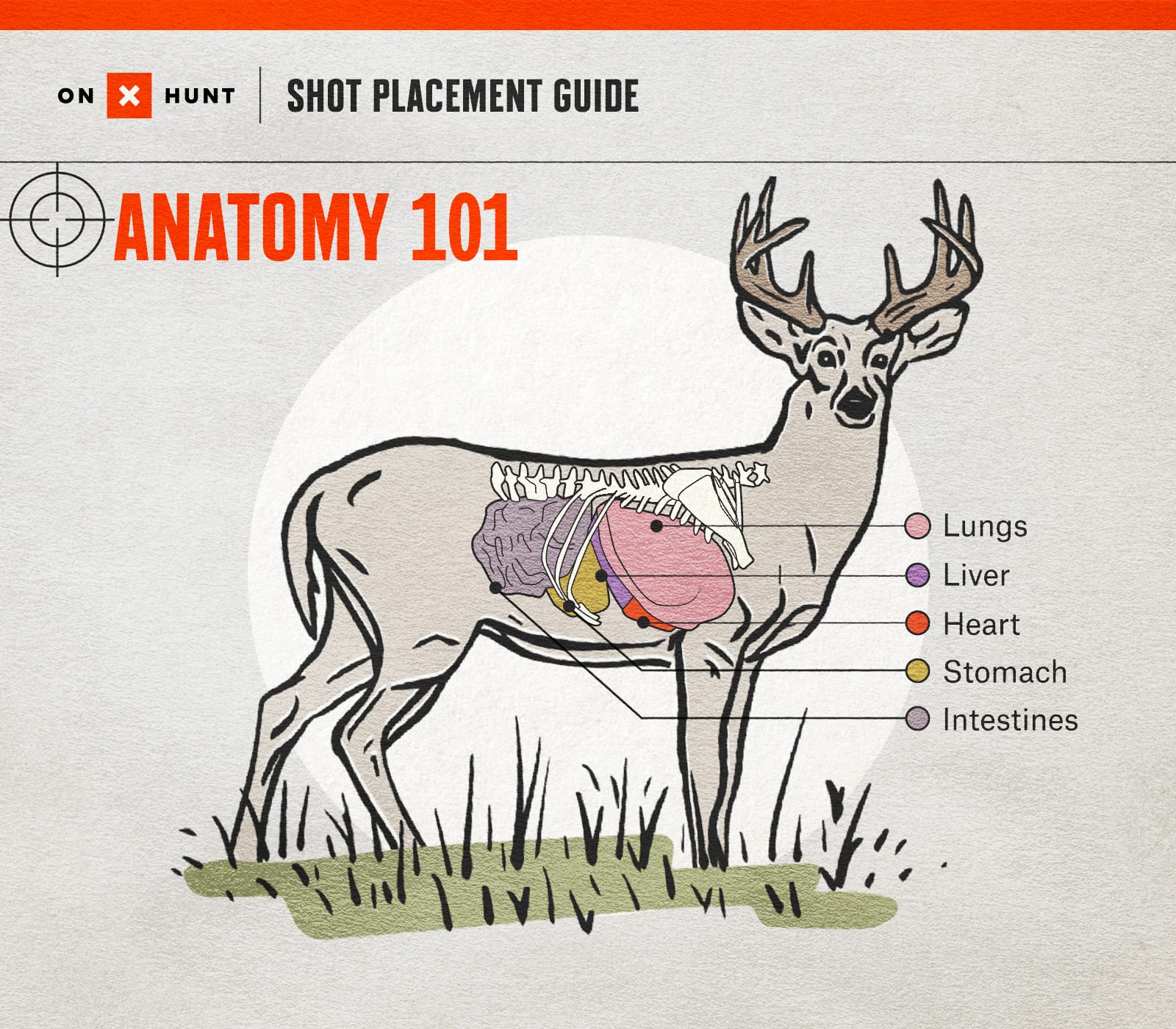
Is she healthy? Is she likely to survive the winter?
*Does she have young fawns that depend on her?
*Are you contributing to a healthy deer population by harvesting her?
These are important considerations that can make you a better hunter and a more responsible conservationist.
Think of it this way: we're not just taking from nature; we're participating in a complex ecosystem. Our actions have consequences, and we want to make sure they're positive ones.
![How Many Deer Are Killed Each Year? [Facts And Figures]](https://worldanimalfoundation.org/wp-content/uploads/2023/01/byck-harvest-edited.jpg)
And honestly, the challenge of making these ethical decisions adds another layer of depth to the hunt. It's not just about filling your freezer; it's about understanding your role in the natural world.
Gear Up and Get Educated
So, what are you waiting for? Grab your hunting license, dust off your rifle (or bow!), and head out into the Alabama woods. But before you do, remember to:
*Consult the ADCNR regulations. Seriously, it's the most important step!
*Scout your hunting area. Know the DMU boundaries and understand the deer population in your area.
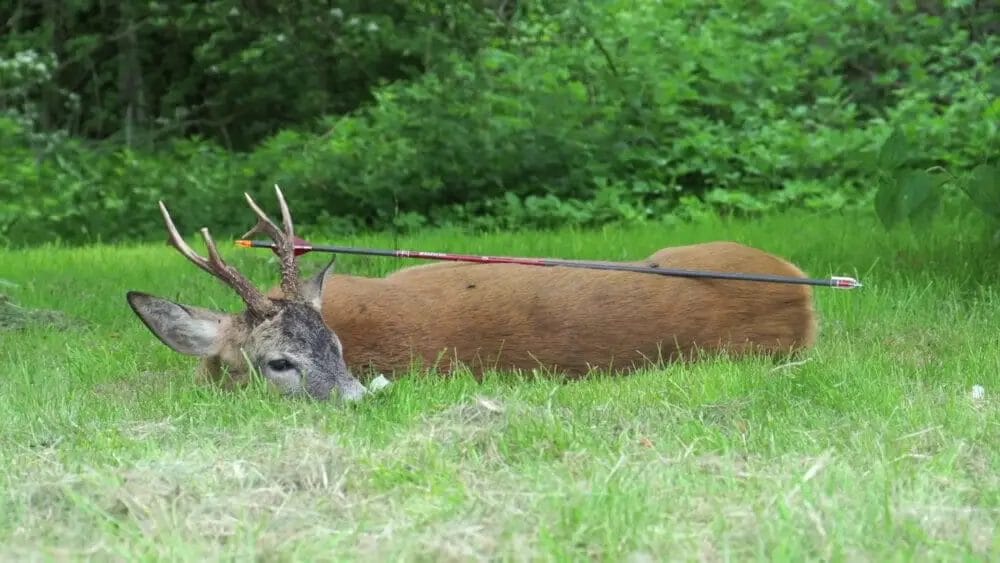
*Practice your shooting skills. Ethical shots are crucial.
Hone your knowledge. Take a hunter safety course or read up on deer biology and management.
Hunting is a fantastic way to connect with nature, challenge yourself, and provide food for your family. It's a tradition that's been passed down for generations, and it's something we can all enjoy responsibly.
Don't be afraid to ask questions, learn from experienced hunters, and get involved in conservation efforts. The more you know, the more rewarding your hunting experiences will be.
So, go forth, explore the Alabama wilderness, and make some memories (and hopefully harvest some delicious venison!). But remember, always prioritize safety, ethics, and respect for the natural world.
The beauty of hunting is that there's always something new to learn and discover. The deeper you delve into it, the more rewarding it becomes. And who knows, maybe you'll even become the local deer-hunting guru!
Now get out there and make it happen. Happy hunting!