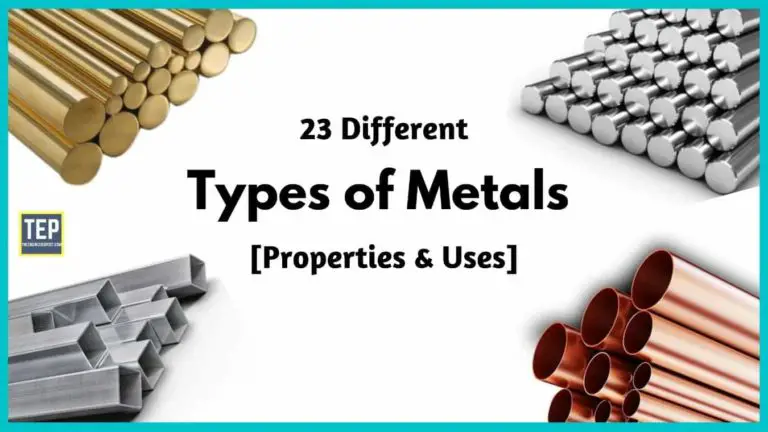
How Many Different Types Of Metals Are There

Alright, buckle up buttercups, because we're diving headfirst into the dazzling, sometimes-confusing, but always-fascinating world of metals! And the big question we're tackling today is: How many different types are there?
Now, before you start picturing a dusty old chemistry textbook, let me assure you, this won't be a snoozefest. We're talking about the stuff that makes our buildings stand tall, our cars zoom zoom, and our jewelry sparkle! Think of it like this: metals are the rockstars of the periodic table, each with their own unique riff and solo.
The Big, Bold Number (and Why It's a Bit Fuzzy)
Okay, drumroll please... the answer, give or take a few atomic squabbles, is around 95 different types of metals. BOOM! Mind blown, right? That's a whole lot of shiny! Now, you might be thinking, "Wait a minute, I only know, like, five metals: gold, silver, iron, aluminum, and maybe copper." And that's totally cool! You're already further ahead than some people. But trust me, the metal universe is way bigger than just those household names.
Must Read
Here's where it gets a tad tricky (but still fun, I promise!). The exact number can be a bit debatable depending on how you define "metal." Some elements on the periodic table are right on the borderline – they might act like metals sometimes, but then get all shy and act like non-metals at other times. We're not judging, everyone has their moments!
Metals: Not Just for Superheroes (Though They'd Approve)
Think about it: What makes a metal a metal? Well, generally speaking, they're shiny, they conduct electricity and heat like nobody's business, and they're usually strong and bendy (we call that "malleable"). You can hammer them into sheets or draw them into wires. Try doing that with a banana! (Don't actually try that. It will be messy.)

Let's break down a few categories to get a better feel for this metallic menagerie:
- Alkali Metals: These are the super-reactive guys in the first column of the periodic table. Think sodium and potassium. They're so eager to react that you won't find them hanging out in nature by themselves. They're always bonding with other elements, like the salt on your fries (sodium chloride).
- Alkaline Earth Metals: These are a bit less reactive than the alkali metals, but still pretty keen on forming bonds. Calcium and magnesium are prime examples. You need calcium for strong bones (thank you, milk!), and magnesium is important for all sorts of bodily functions.
- Transition Metals: Now we're talking! This is where you find the real heavy hitters: iron, copper, gold, silver, nickel, platinum… basically, all the metals you probably think of first. They're tough, versatile, and often gorgeous.
- Lanthanides and Actinides: These are the quirky cousins tucked away at the bottom of the periodic table. Many are radioactive and have some pretty specialized uses. Some, like uranium, are used in nuclear power plants.
- Basic Metals: These are the workhorses of the metallic world. Aluminum, tin, and lead fall into this category. They're not as glamorous as gold, but they're incredibly important for construction, manufacturing, and a million other things.
And that's just a quick peek! There are sub-categories and even more granular divisions, but we don't want to overwhelm you with metallic minutiae. The important thing to remember is that there's a vast and diverse array of metals out there, each with its own unique properties and applications.
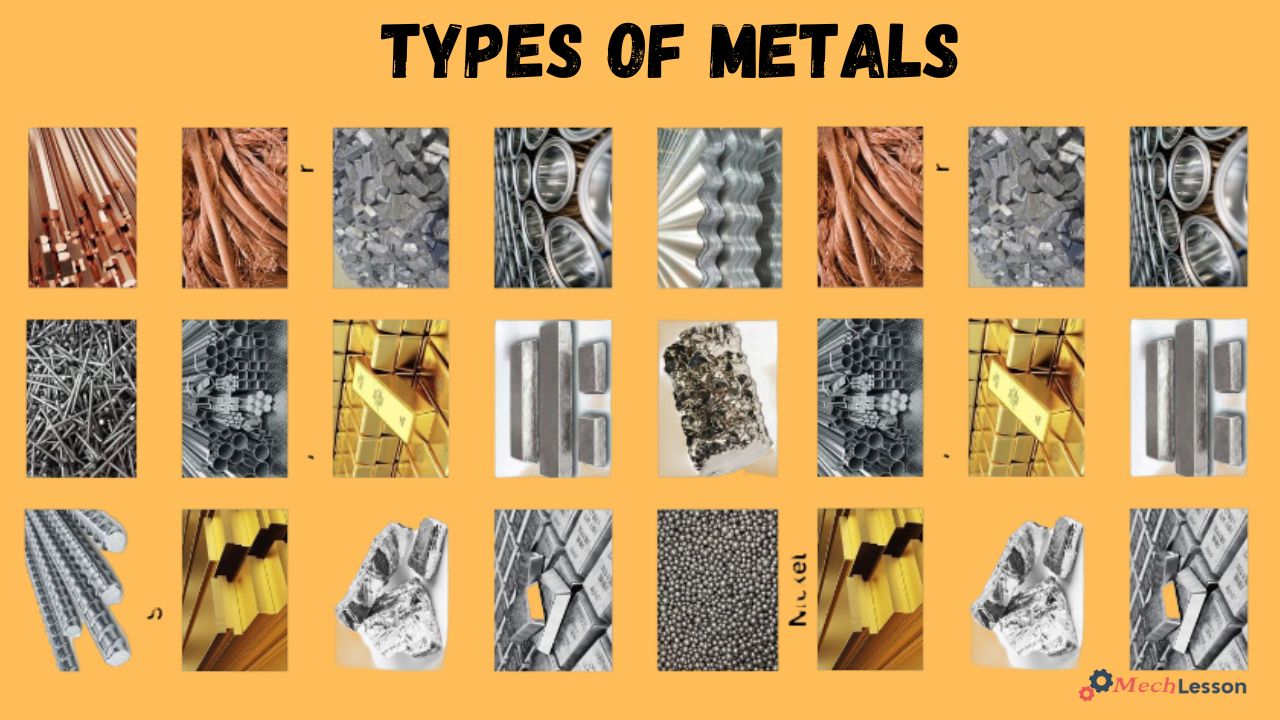
Metals: They're All Around Us!
Seriously, look around you! That smartphone you're holding? Full of metals! The car you drove to work? Basically a metal cocoon! The buildings you walk past? Supported by metal beams! Metals are the unsung heroes of modern life. They're the strong, silent types that make everything possible.
So, the next time you see something shiny or strong, take a moment to appreciate the amazing world of metals. There's a whole universe of them out there, just waiting to be discovered (or at least appreciated!). And remember, even if you only know five different types, you're still part of the metallic appreciation society. Welcome aboard!

“The discovery of a new metal is an event of sufficient importance to be announced publicly.” - Julius von Liebig
Now go forth and impress your friends with your newfound metal knowledge! You're practically a metallurgist now!