How Many Different Types Of Energy Are There

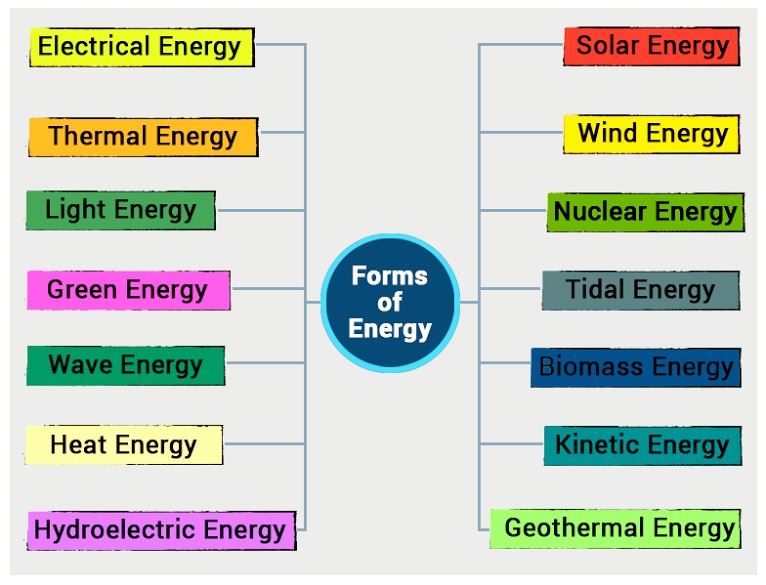
Okay, folks, let’s talk about energy. Not the "I need a nap" kind of energy (we’ve all been there, am I right?), but the physics kind. The stuff that makes the world go 'round, the thing that allows you to binge-watch cat videos at 3 AM. The question is: How many different types are there? Buckle up, it’s more than you think!
Kinetic Energy: The Need for Speed
First up, we've got kinetic energy. This is the energy of motion. Think of a runaway shopping cart hurtling down a hill. Or your dog when you say the word "walkies." That’s kinetic energy in action! The faster something moves, the more kinetic energy it has. It's pretty straightforward, really. It’s also why getting hit by a slow-moving shopping cart still kinda hurts - there's always some energy involved!
Imagine you're chasing after that runaway cart. You're using kinetic energy, too! Your legs are pumping, your arms are swinging... you might even be yelling something like, "Whoa there, Bessie!" (Okay, maybe that's just me.)
Must Read
Potential Energy: Waiting to Pounce
Now, let's talk about potential energy. This is the energy of position or state. It's like a coiled spring, a stretched rubber band, or, my personal favorite analogy, a cat poised to pounce on an unsuspecting dust bunny. They’re just waiting to unleash that energy. A rollercoaster at the top of the tallest hill? Pure, unadulterated potential energy. The higher it is, the more potential it has to become terrifyingly awesome kinetic energy.
Think of it this way: Potential energy is like that brilliant idea you have in the shower. It's just simmering, waiting for the perfect moment to burst forth and, hopefully, solve a problem (or at least impress your roommates). It's stored energy, ready to go.
Thermal Energy: Feeling the Heat
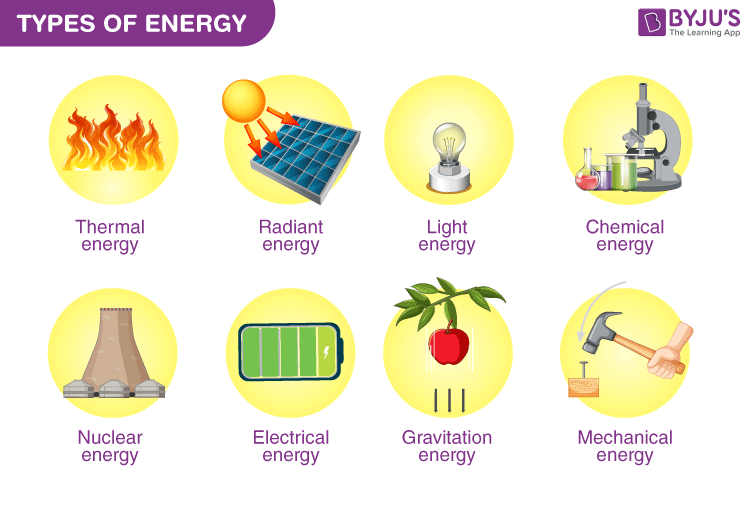
Next on our list is thermal energy, which is essentially heat. This is the energy of moving atoms and molecules. Ever rubbed your hands together to warm them up? That's friction turning kinetic energy into thermal energy. A cozy fireplace? A steaming cup of coffee? All powered by thermal energy. It’s also the reason you shouldn't touch a hot stove (unless you really, really hate your fingertips).
This is why wearing black on a sunny day is a bad idea. Black absorbs more light and converts it into thermal energy. Hello, instant sweat fest! Thanks, science!
Chemical Energy: The Power Within
Then there's chemical energy, which is stored in the bonds of atoms and molecules. This is the energy that powers your car (gasoline), your phone (battery), and you (food!). When you eat a sandwich, your body breaks down the chemical bonds in the bread, meat, and cheese, releasing energy that you use to, well, do everything. Breathing, walking, complaining about traffic... it's all chemical energy at work.
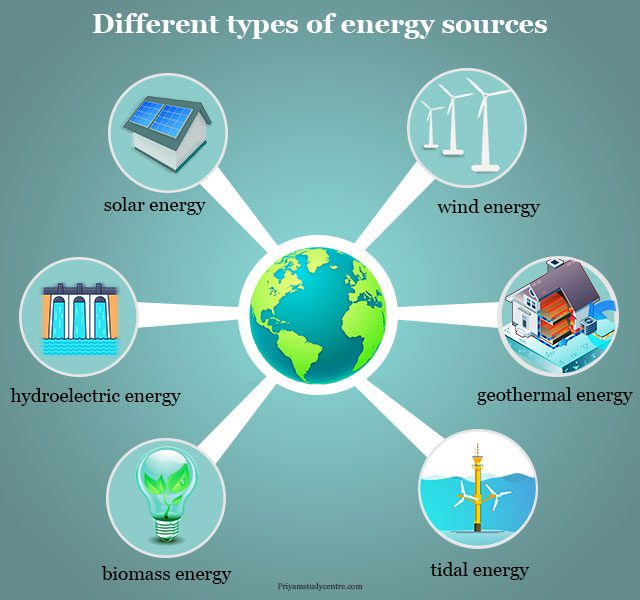
Chemical energy is like that secret ingredient in your grandma's famous cookie recipe. You know it's there, and you know it's important, but you might not know exactly how it works. But boy, do those cookies taste good!
Electromagnetic Energy: Light and Waves and Everything in Between
And we can’t forget electromagnetic energy! This includes light, radio waves, microwaves, X-rays, and gamma rays. It's basically any form of energy that travels as a wave. Sunshine warming your skin? Electromagnetic energy. Your microwave reheating yesterday's leftovers? Electromagnetic energy. That annoying static you sometimes get on the radio? You guessed it, electromagnetic energy!
/main-energy-forms-and-examples-609254-v3-5b562a0cc9e77c0037514831.png)
Electromagnetic energy is responsible for everything from the colors you see to the Wi-Fi that allows you to read this article. It's basically the backbone of modern communication and a pretty good excuse to wear sunglasses.
Nuclear Energy: Harnessing the Atom
Finally, let's touch on nuclear energy. This is the energy stored in the nucleus of an atom. It’s released through nuclear fission (splitting atoms) or nuclear fusion (joining atoms). Nuclear power plants use nuclear fission to generate electricity, and the sun uses nuclear fusion to produce light and heat. This is definitely the powerful stuff, and it's important to handle it with care (unlike that time you tried to "fix" the toaster with a butter knife. Don't do that).
So, while there are these main types of energy, it's important to remember that energy can change forms. That potential energy of the rollercoaster turns into kinetic energy as it plunges down the hill. That chemical energy in your food turns into kinetic energy as you dance at a wedding. Energy is always transforming, always moving, always making things happen. It's pretty darn cool, wouldn't you say?