How Many Days Is A 1000 Hours
Ever found yourself staring at a clock, pondering the sheer expanse or fleeting nature of time? There’s something inherently fascinating about quantifying our most precious, non-renewable resource. Whether you’re planning a epic backpacking trip, embarking on a massive creative project, or simply trying to gauge how long that seemingly endless wait for your favorite show’s new season feels, converting hours into days is a delightful little mental exercise that brings clarity and perspective.
It’s not just about crunching numbers; it’s about unlocking a deeper understanding of commitment, duration, and the subtle rhythms of our lives. This simple act of conversion serves a surprisingly practical purpose in our everyday existence. It helps us to move beyond abstract numbers and instead visualize time in more concrete, relatable chunks. Imagine someone tells you a task will take 1000 hours. Your first thought might be, "Wow, that's a lot!" But when you convert it, you suddenly have a clearer picture, allowing for better planning and less overwhelm.
So, let's get down to brass tacks: How many days is 1000 hours?
Must Read
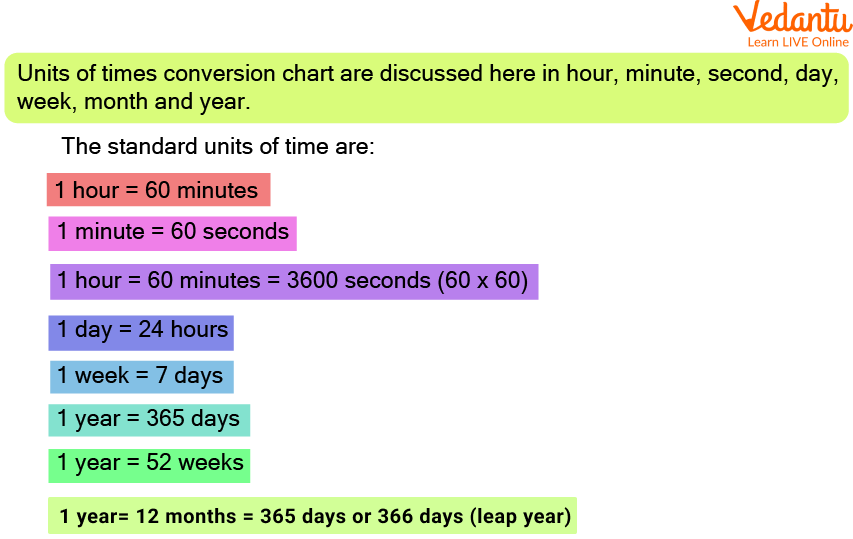
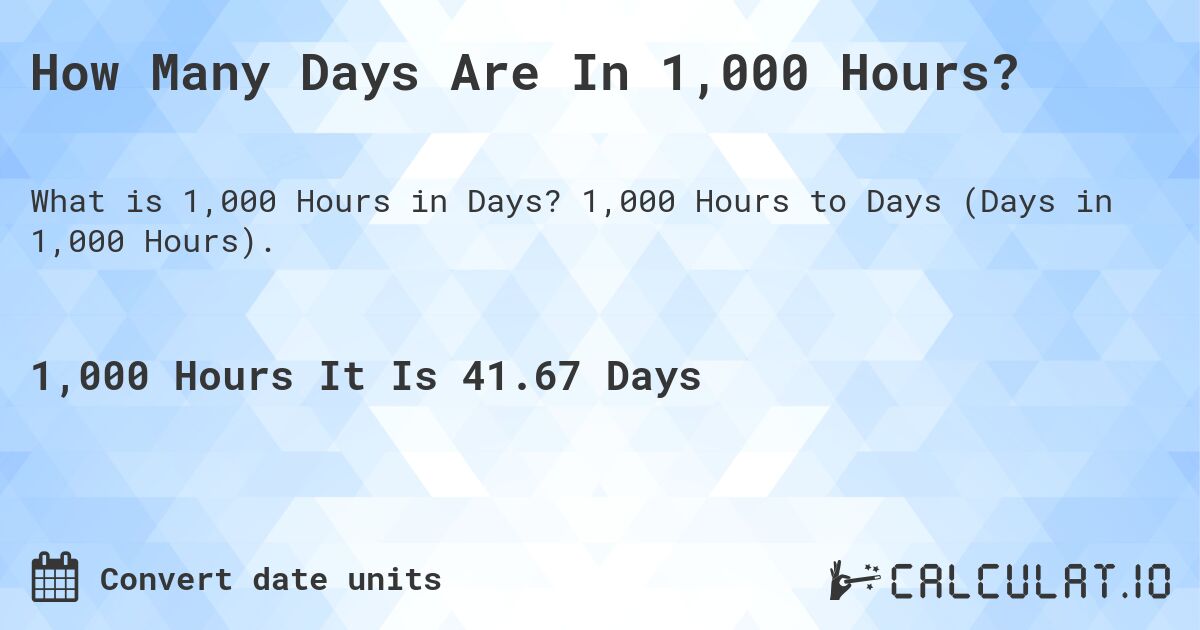
There are 24 hours in a day, right? So, if we take 1000 hours and divide it by 24, we get... drumroll please... 41.666... days! To be a bit more precise and less numerically dizzying, that's 41 days and 16 hours. Almost a month and a half! Suddenly, that "1000 hours" sounds a lot more manageable, doesn't it?
This kind of time conversion is applied in countless scenarios. Project managers use it to set realistic deadlines for major developments, like the construction of a new building or the rollout of a software update. Students might convert study hours into days to plan their exam preparation more effectively. If you're planning a massive gaming marathon or dedicating yourself to learning a new language, understanding that 1000 hours is roughly 41 full days helps you appreciate the long-term commitment required, turning an intimidating figure into a strategic roadmap.

To enjoy and utilize this kind of time-based thinking more effectively, here are a few practical tips:
- Visualize It: Don't just think "41 days." Imagine a calendar page. Think of it as a full month plus almost two more weeks. This makes the duration more tangible.
- Break It Down: If you have a 1000-hour goal, don't try to tackle it all at once. Divide it into smaller, manageable daily or weekly chunks. For example, 10 hours a week would mean completing your 1000 hours in 100 weeks – roughly two years. Consistency is key!
- Use Tools: Calendars, planners, and time-tracking apps are your best friends. They help you allocate and monitor your time effectively, ensuring you stay on track for those longer-term goals.
- Be Realistic, But Optimistic: Understanding the true duration helps set realistic expectations, preventing burnout. But also remember that time is a resource you can actively manage and dedicate.
- Appreciate the Power of Compounding: Small, consistent efforts over 41 days (or more, if you're spreading it out) truly add up. That thousand-hour goal doesn't seem so daunting when you see it as a series of daily commitments.
So next time you encounter a seemingly large number of hours, take a moment to convert it. You might just find that understanding the true duration empowers you to plan better, achieve more, and perhaps even appreciate the remarkable journey that a "mere" 1000 hours can represent.