
How Many Cooling Btu Per Sq Ft

Ever found yourself sweating through a summer afternoon, eyeing your air conditioner like it holds the secrets to the universe? Or maybe you're shivering, wondering if your AC unit is just too powerful? Well, you've stumbled into the wonderfully quirky world of cooling BTUs per square foot. And trust me, it's way more fun than it sounds!
You see, finding the perfect AC isn't just about grabbing the biggest one on sale. Oh no. It's a delicate dance, a balancing act, a tiny scientific mystery unfolding right in your living room. And the star of our show? The BTU.
What's a BTU, Anyway? (And Why Should You Care?)
Don't let the acronym scare you. BTU stands for British Thermal Unit. Fancy, right? Think of it this way: one BTU is roughly the energy it takes to raise the temperature of one pound of water by one degree Fahrenheit. Simple! But when we talk about cooling, it's about removing that heat. So, the higher the BTU rating of your AC, the more heat it can kick out of your space per hour. It’s basically your AC’s heat-busting superpower!
Must Read
So, why per square foot? Because obviously, cooling a tiny closet is a tad different from chilling an entire ballroom. The size of your space directly impacts how much heat needs to be zapped. It's logical, really. But here's where it gets delightfully complicated...
The Great BTU Mystery: Is There a Magic Number?
Spoiler alert: There's no single, magic number. If anyone tells you "it's always 20 BTU per square foot!", they're probably selling something... or have a very, very average house. The truth is, your home is a unique snowflake of heat-gain factors, and that's what makes this whole topic so deliciously engaging!
Let's unpack some of the quirky, wonderful things that mess with that "average" calculation:

1. Location, Location, Location!
Are you baking in Phoenix, or chilling in Seattle? Your local climate is a huge deal. A house in a sun-drenched, humid zone will naturally need more cooling power than one in a milder area. It's like comparing a sunbather to someone bundled up on a cloudy day – different needs entirely!
2. Windows! Oh, Those Glorious Heat Magnets!
We love natural light, but windows are notorious for inviting heat inside. South-facing windows, especially, are like VIP lounges for sunlight and its accompanying warmth. More windows, bigger windows, less energy-efficient windows? Prepare to bump up those BTU estimates. It's almost as if your house is winking at the sun, saying, "Come on in, make yourself warm!"
3. Insulation Station: The Blanket for Your House
Is your home snug as a bug in a rug, or leaky like a sieve? Good insulation acts like a thermal barrier, keeping the heat out (or in, depending on the season). A well-insulated home needs less cooling BTU per square foot than its drafty cousin. Think of it as your home wearing a cozy, temperature-regulating sweater!
4. People Power: The Tiny Human Heaters
Yes, you! And your family! And your party guests! Each person in a room generates about 200-400 BTUs per hour. So, if you're planning a lively shindig with twenty of your closest pals, your AC is going to be working overtime to fight off all that enthusiastic human heat. Suddenly, that quiet night in with a book seems much more energy efficient, doesn't it?
5. Appliance Armies: Your Gadgets Generate Heat!
Ever noticed how warm your laptop gets? Or the back of your fridge? All those blinking, whirring electronics—your TV, computer, oven, even light bulbs—are little heat generators. They're silently adding to the BTU load your AC has to battle. It's like having tiny, invisible dragons breathing fire around your house!
6. Ceiling Height Shenanigans
A room with towering ceilings (think vaulted or cathedral style) has a much larger volume of air to cool, even if the square footage is the same as a room with standard ceilings. More air to chill means... yep, more BTUs required. Physics, right?

7. Pets and Plants (They Count Too!)
Your furry friends are little bundles of warmth, and even plants release moisture and warmth. Not huge factors, but hey, every BTU counts when you're aiming for optimal comfort!
So, What's the "Answer"? (Kind Of)
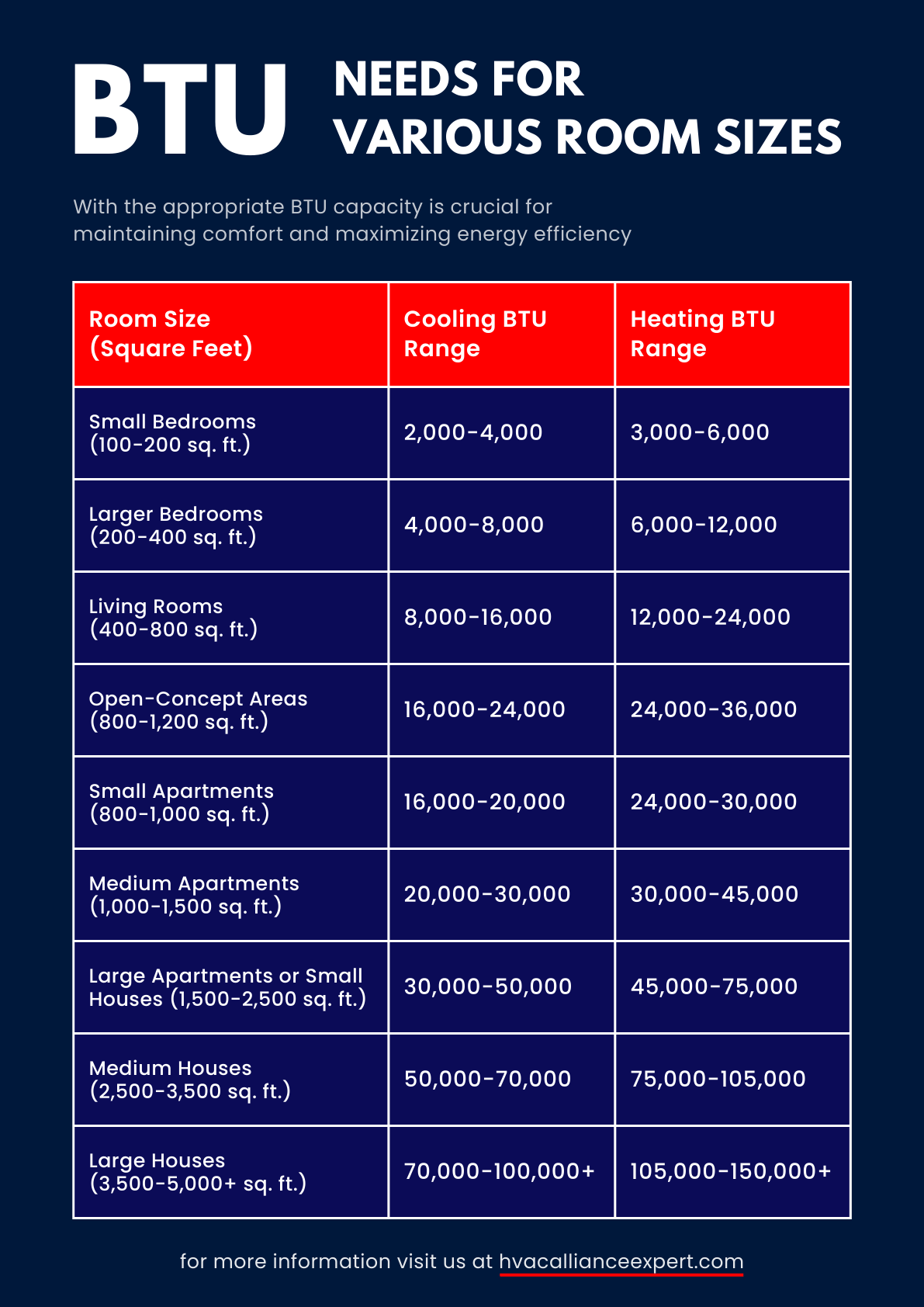
Given all those quirky factors, how do you even begin to figure it out? As a very, very rough starting point for a moderately insulated home in a moderate climate, a general rule of thumb is about 20-25 BTU per square foot. But remember, that's just a whisper in the wind!
For example, a 500 sq ft room might need around 10,000-12,500 BTUs. But if that room is your sunroom with wall-to-wall windows and you host regular poker nights, you might need to bump that up significantly! Maybe even to 30-40 BTU per sq ft or more!
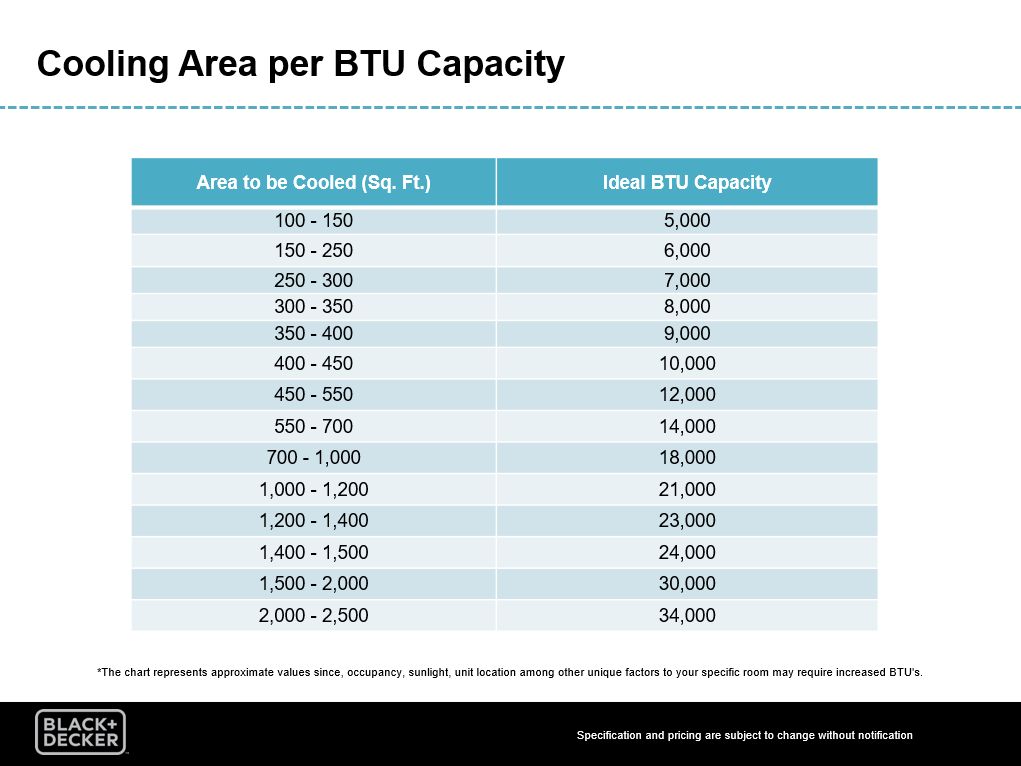
The best way to get a more accurate number is to use an online BTU calculator (there are tons of free ones!) or, even better, consult an HVAC professional. They love talking about this stuff, trust me.
Why Does All This Fun Stuff Matter?
Getting the BTU calculation right isn't just a fun intellectual exercise. It directly impacts your comfort and your wallet!
- Too small an AC? You'll be sweating, the unit will run constantly, and it won't effectively dehumidify your space, leaving you feeling clammy.
- Too big an AC? This might sound like a good problem, but it's not! An oversized unit will cycle on and off too frequently (short-cycling), wasting energy, wearing out components faster, and failing to properly remove humidity, leaving your home feeling cool but damp.
So, the next time you're thinking about cooling, remember it's not just about a simple number. It's about understanding the unique personality of your home, all its little quirks, and how they interact with the world outside. It's a delightful puzzle, and now you're in on the secret!