How Many Categories Are There For Hurricanes
Ever wondered how we measure the fury of a hurricane? It's not just about guessing; there's a whole system in place! Understanding how hurricanes are categorized is surprisingly fascinating, like decoding a secret weather language. Plus, knowing the scale can actually be super useful for keeping yourself and your loved ones safe. So, let's dive into the world of hurricane categories – it's easier than you think!
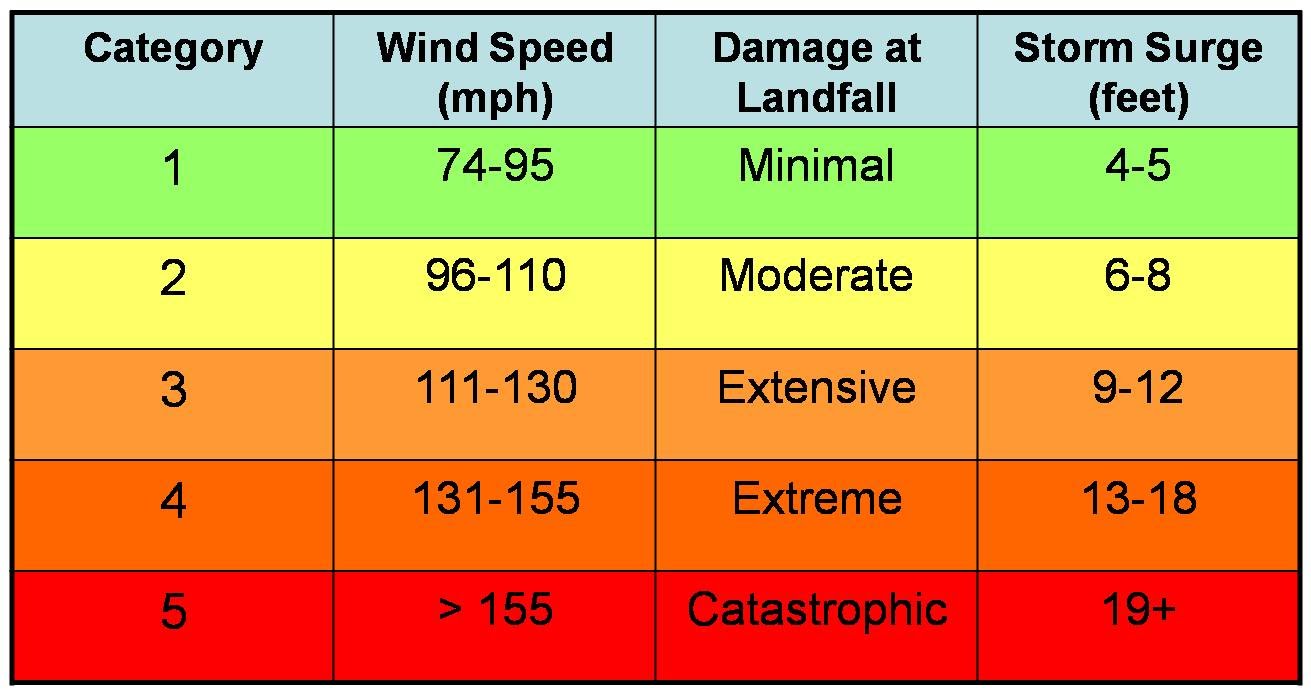
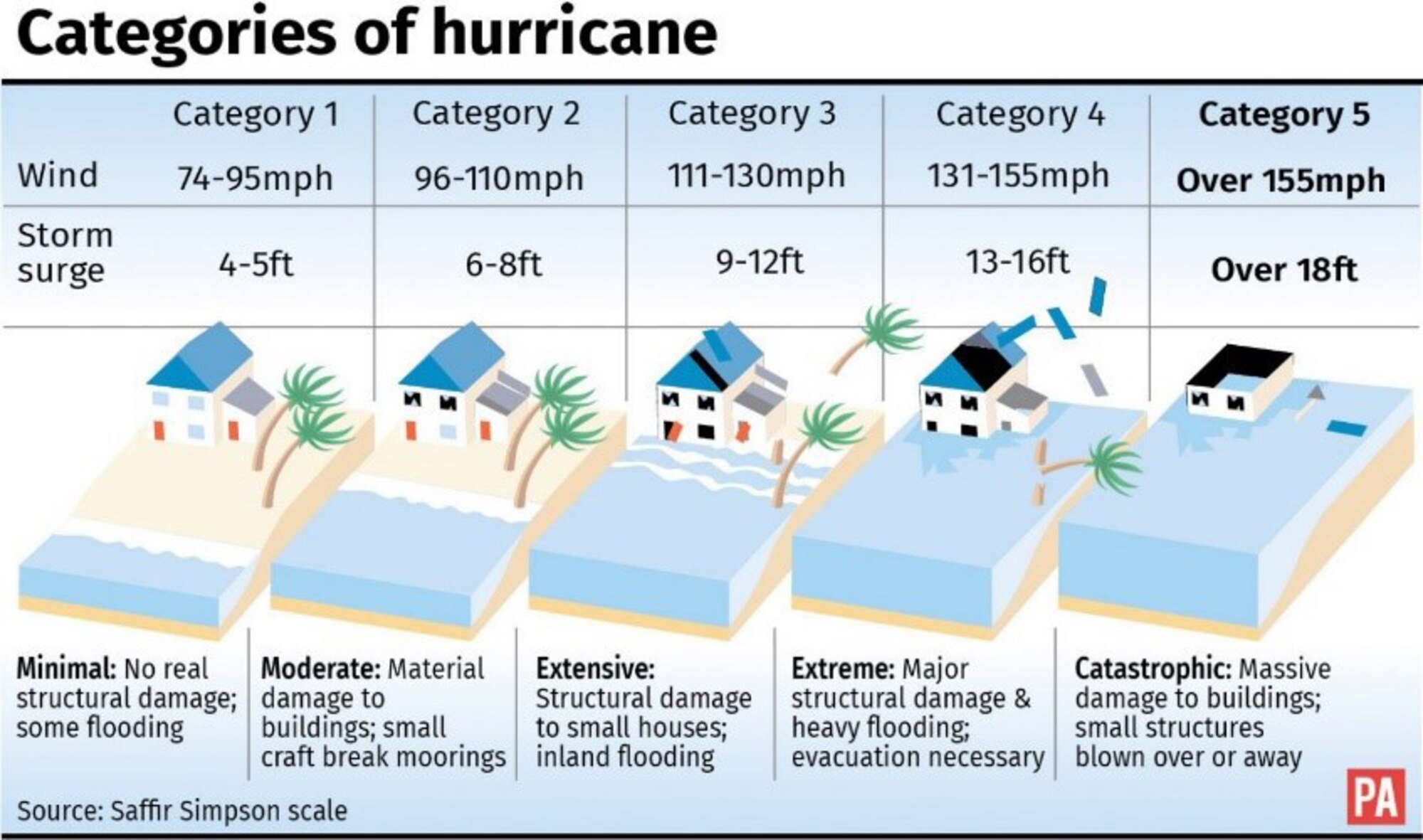
The system we use to categorize hurricanes is called the Saffir-Simpson Hurricane Wind Scale. It's a 1 to 5 rating based only on a hurricane's sustained wind speed. This scale helps us estimate the potential for property damage. For beginners, it's a quick and dirty way to understand the storm's power. If you're a family planning a vacation, checking the category forecast can inform your travel decisions. And for hobbyists, like amateur meteorologists, it's the starting point for understanding a hurricane's potential impact and tracking its development.
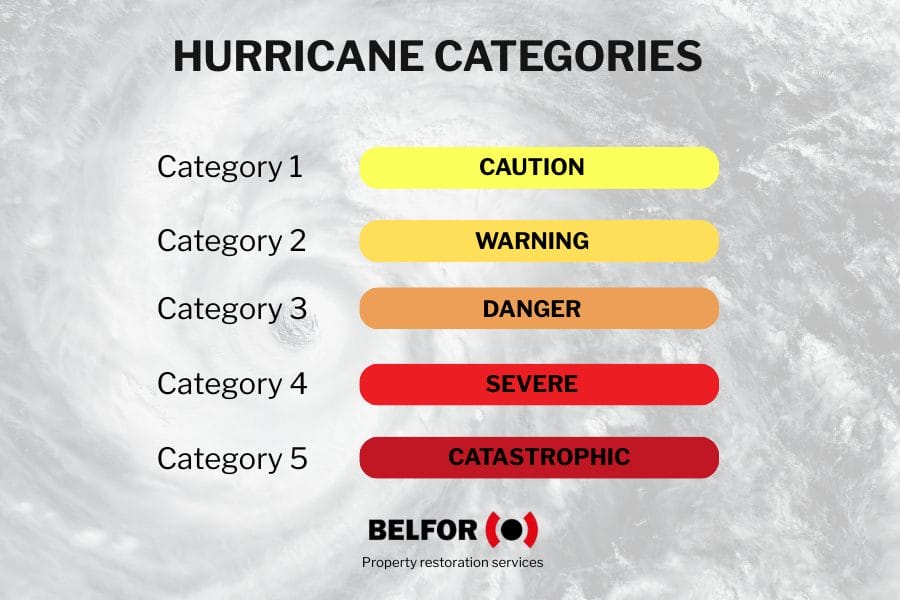
So, how many categories are there? As mentioned before, there are five! Let's break them down:
Must Read
- Category 1: Winds 74-95 mph. Expect some damage, like broken branches and minor roof damage.
- Category 2: Winds 96-110 mph. More extensive damage, including roof and siding damage, and snapped trees.
- Category 3: Winds 111-129 mph. This is where it gets serious. Expect major damage to homes and buildings. This is considered a major hurricane.
- Category 4: Winds 130-156 mph. Catastrophic damage. Most trees will be uprooted, and homes can suffer severe structural damage.
- Category 5: Winds 157 mph or higher. Devastating damage. Homes may be completely destroyed, and areas can be uninhabitable for weeks or months.
It's important to remember that the Saffir-Simpson scale only considers wind speed. Other factors, like storm surge (the rise in sea level during a storm), rainfall, and the size of the storm, also play a significant role in the overall impact. A weaker hurricane with a large storm surge can still cause immense damage.
![Understanding Hurricane Categories [+ Preparation List]](https://www.alertmedia.com/wp-content/uploads/2019/05/hurricane-categories.jpg)
Practical Tips for Getting Started:
- Familiarize yourself with local weather forecasts: Pay attention to alerts and warnings, especially during hurricane season.
- Understand your evacuation zone: Know if you live in an area that's likely to flood or be severely impacted by wind.
- Create a hurricane preparedness kit: Include essentials like water, food, medication, and a battery-powered radio.
- Download a reliable weather app: Many apps provide real-time tracking and alerts for hurricanes.
Understanding hurricane categories is more than just memorizing numbers. It’s about being informed, prepared, and able to make safe decisions. By grasping the basics of the Saffir-Simpson scale, you gain a valuable tool for navigating the challenges that these powerful storms can bring. So, next time you hear about a hurricane, you'll be able to understand its potential impact and take the necessary steps to stay safe! It’s empowering to know, and it just might save your life.