How Many Categories Are There For A Hurricane
Alright, picture this: you're sipping your latte, contemplating the universe, and suddenly your friend blurts out, "Hey, how many types of hurricanes are there, anyway?" You, being the sophisticated café-goer you are, want to answer with authority. Fear not, my friend! Let's dive into the wonderfully windy world of hurricane categories – a topic surprisingly more captivating than that foam art on your cappuccino.
Now, when most people ask about "types" of hurricanes, what they really mean is: how many categories are there on the Saffir-Simpson Hurricane Wind Scale? This scale is the hurricane hierarchy everyone loves to hate (or hates to love, depending on your meteorological bent).
The Grand Total: A Magnificent Five!
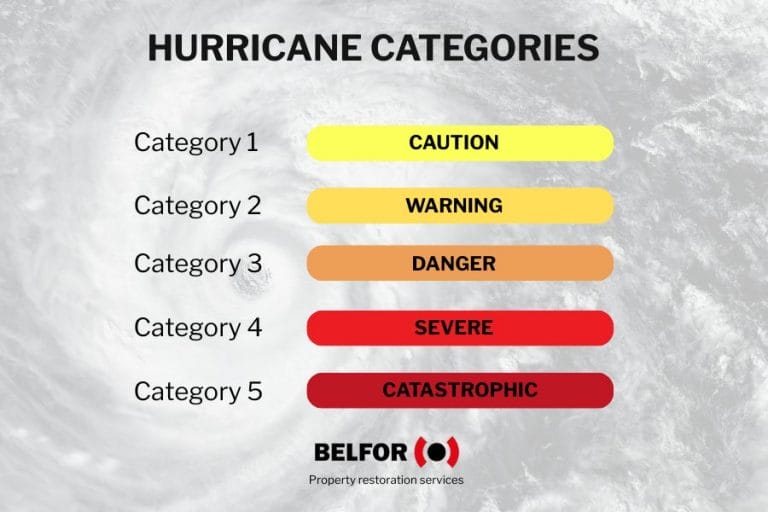
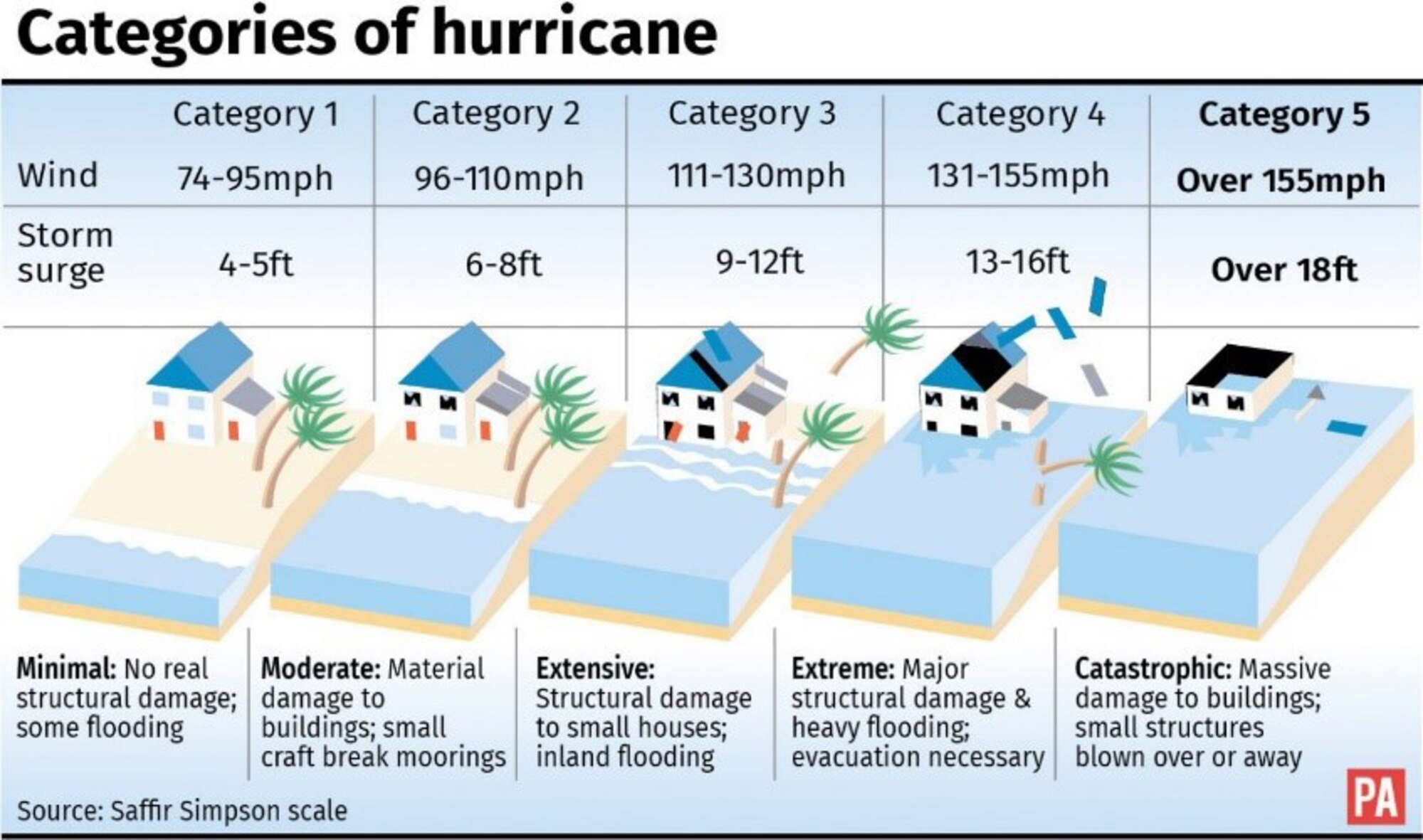
Yes, my friends, there are a mere five categories. Five! It's practically a breeze (pun intended). Think of it like the Spice Girls, but instead of catchy tunes, they bring torrential rain and widespread destruction. Each category represents a range of sustained wind speeds, and a corresponding level of potential damage. So, let's meet the fabulous five:
Must Read
Category 1: The "Slightly Annoyed Mother Nature" Hurricane. Sustained winds are 74-95 mph. We're talking downed power lines, some minor roof damage, maybe a few grumpy squirrels whose nut stashes got blown away. Nothing a good cup of tea and a stern talking-to can't fix... probably.
Category 2: "Mother Nature's Having a Bad Day" Hurricane. Wind speeds ramp up to 96-110 mph. Expect more substantial roof damage, some trees snapping like twigs, and power outages that might last a few days. Time to break out the board games and canned goods! This is when you start wishing you invested in that solar-powered phone charger.
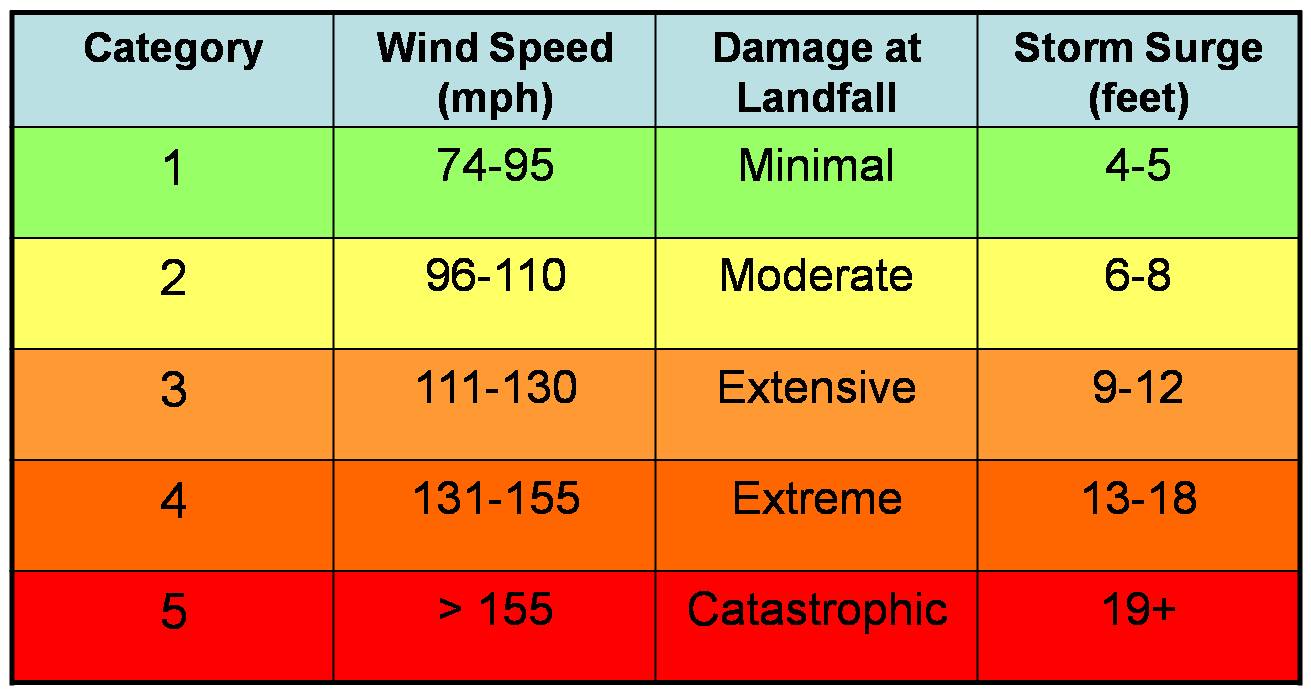
Category 3: The infamous "Major Hurricane" – Mother Nature's officially lost it. 111-129 mph winds are nothing to scoff at. Expect serious damage to homes, potentially devastating flooding near the coast, and power outages lasting for days or weeks. This is when the squirrels are really, really mad.
Category 4: "Doomsday Lite" – because the actual apocalypse is Category 5. With winds of 130-156 mph, things are getting real. Roofs? Gone. Trees? Gone. Coastal areas? Possibly resembling a soggy, debris-filled moonscape. Evacuations are mandatory, unless you have a serious fascination with extreme weather and a top-notch insurance policy. And a REALLY strong house.
Category 5: The "Mother Nature's Rage Quit" Hurricane. Anything above 157 mph is lumped into this category of utter devastation. Think complete roof failure, catastrophic damage, and coastal areas being permanently reshaped. This is the hurricane that makes meteorologists gulp audibly on live TV. Imagine trying to explain that to your insurance agent! "Yes, the wind just... ate my house."

Now, here's a fun fact to impress your café companions: The Saffir-Simpson scale only considers wind speed! It doesn't factor in storm surge (the wall of water pushed onshore by the hurricane), rainfall, or the size of the storm. A Category 3 hurricane that stalls over a coastal area and dumps insane amounts of rain can be far more devastating than a fast-moving Category 4 with less rainfall. It’s like judging a book by its cover - the category is just a quick overview.
Think of it this way: the category is the wind speed, but the actual impact depends on a whole lot of other factors - like how prepared people are, the shape of the coastline, and whether that rogue wave decides to pay your beachfront property a visit. Location, location, location really matters.
![Understanding Hurricane Categories [+ Preparation List]](https://www.alertmedia.com/wp-content/uploads/2019/05/hurricane-categories.jpg)
So, while there are only five categories on the Saffir-Simpson scale, remember that each hurricane is unique. Predicting their exact path and intensity is a complicated science involving supercomputers, weather balloons, and the occasional panicked prayer to the weather gods. They’re like snowflakes - beautiful, unique, and potentially devastating (if made of ice and hurled at you at 100 mph). This is why it is important to listen to local weather officials.
So, next time someone asks you about hurricane categories, you can confidently spout your newfound knowledge. Bonus points if you dramatically gesture with your latte while doing so.
And remember, stay safe, stay informed, and maybe invest in a really, really sturdy umbrella.