How Many Carbon Monoxide Detectors Do You Need

The Invisible Intruder: Why You Need to Know About CO Detectors
Picture this: It's a chilly evening, you've got your coziest blanket, a warm mug of tea, and your favorite show is just about to start. Life is good, right? Your home feels like your safe, warm bubble. But lurking silently, invisibly, and completely without a scent, taste, or color, there could be a sneaky little guest trying to crash your cozy party: carbon monoxide, or CO for short. And unlike your mother-in-law, you won't hear this one coming!
CO is often dubbed the "silent killer" for a reason. It's a real scrooge because it replaces oxygen in your blood, making you sick and, in severe cases, much worse. The scary part? You might just feel like you have the flu, or you're super tired, or even a bit dizzy. "Just a long day," you might think, reaching for another cup of coffee, while CO is busy making itself at home.
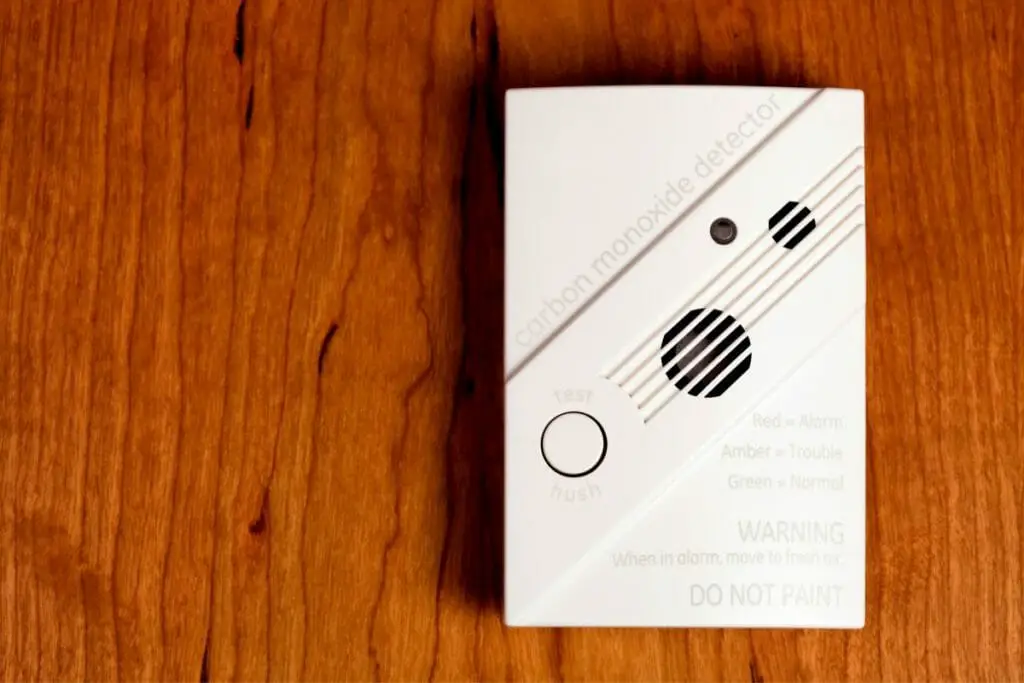
So, what's a savvy homeowner to do? Enter the humble, yet mighty, carbon monoxide detector. These little heroes are like your home's personal bodyguard, sniffing out trouble before it can even knock on your door. But then comes the million-dollar question: how many of these digital guardians do you actually need?
Must Read
Why Bother? Because Your Nose Can't Help Here!
Let's be honest, we rely on our senses for pretty much everything. If your toast is burning, you smell it. If your milk is sour, you taste it. If your cat has made a "present" behind the couch, you definitely smell it! But CO? Nope. Your nose is utterly useless against carbon monoxide. It's like a ninja, silent and deadly, slipping past all your natural defenses.
Think of it this way: You wouldn't rely on your ability to "sense" a house fire without a smoke detector, would you? The same logic, but with even greater urgency, applies to CO. It's not about being paranoid; it's about being smart and proactive. It’s about giving yourself and your loved ones the precious gift of peace of mind – and, you know, actual oxygen!
Where Does This Sneaky Gas Even Come From?
CO isn't some alien gas from another planet; it's a byproduct of incomplete combustion. Basically, if something's burning fuel, and it's not doing it perfectly, it can produce CO. Common culprits in our homes include:
- Your furnace or boiler (especially if it’s older or not well-maintained)
- Gas water heaters
- Fireplaces and wood-burning stoves
- Gas ovens and stovetops
- Space heaters
- And yes, even your car idling in an attached garage.
The "How Many" Breakdown: A Room-by-Room Guide
Alright, let's get down to brass tacks. While there isn't a "one-size-fits-all" answer carved in stone, the general wisdom (and often local building codes) points to a pretty clear strategy. Think of it like a defense perimeter, ensuring no CO molecule can sneak past!
1. Every Level, Every Time!
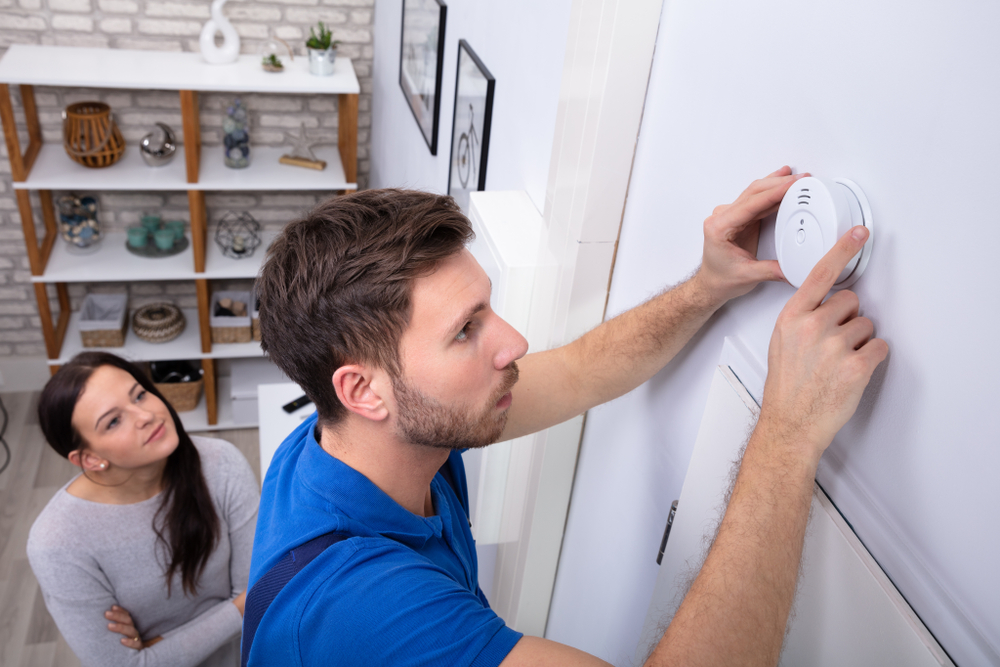
This is the golden rule, folks: You should have at least one CO detector on every single level of your home, including the basement. Why? Because CO, while it mixes with air, won't necessarily travel perfectly from your basement furnace all the way up to your attic bedroom. Having one on each floor is like having a little lookout station keeping watch.
2. The Bedroom Zone: Your Sleepy Safe Haven
This is arguably the most critical spot. You should have a CO detector near or within every sleeping area. Imagine drifting off to dreamland, completely unaware of a silent threat. Placing detectors near bedrooms ensures that if CO levels rise while you're asleep, you'll be alerted when you're most vulnerable. Think of it as your slumber party security guard!
3. The Appliance Hotspots: Where the Magic Happens (and CO Can Too!)
It's a good idea to place a detector near major fuel-burning appliances. This means your furnace, water heater, or a gas fireplace. However, a little word of caution: don't place it too close to the appliance, or you might get nuisance alarms from normal, temporary exhaust. Usually, the manufacturer's instructions will give you specific distance recommendations – and yes, sometimes even I read the manual for these things!

4. The Attached Garage: A Common Culprit
If you have an attached garage, and especially if there's a door connecting it directly to your living space, it's wise to place a CO detector in that connecting area or within the first room adjacent to the garage. We've all started the car to warm it up, gotten distracted, and let it idle a little too long. A detector here is a smart move to catch any exhaust fumes trying to creep into your home.
A Quick Recap & Some Friendly Advice:
- Multi-Story Homes: At least one on each level, including the basement.
- Sleeping Areas: Definitely one near or in every room where someone sleeps.
- Appliance Areas: Near furnaces, water heaters, fireplaces, but not right on top of them.
- Attached Garages: Essential for catching car exhaust.
Remember to follow the specific placement instructions that come with your detector – they'll often recommend how high off the floor to install them. And just like smoke detectors, test your CO detectors regularly (usually with a handy little button on the front) and replace the batteries when needed. Oh, and here's a secret: CO detectors don't last forever! They typically need to be replaced every 5-7 years, so check the expiration date on the back!
Adding CO detectors to your home isn't just about ticking a box; it's about investing in the well-being and safety of everyone under your roof. It's a small price to pay for a big dose of peace of mind. So go on, give your home the invisible bodyguard it deserves. Your lungs (and your sense of well-being) will thank you!