
How Many Btus Would A 2000 Watt Heat Strip Produce

Watts, BTUs, and Warm Toes: A Curious Calculation
Ever wondered how much heat is packed into that little electric heater? Or maybe you're just trying to figure out if your backup heat will actually, you know, keep you from freezing. Let's talk about heat strips! Specifically, a 2000-watt heat strip. How many BTUs (British Thermal Units) are we talking about here?
Don't worry; we're not going to get bogged down in complicated physics. We're going for fun, not a pop quiz. Think of BTUs as little packets of cozy warmth. The more you have, the warmer your room (or tent, or igloo!) will be.
So, what's the big secret to unlocking this BTU mystery? It's all about a simple conversion. Are you ready for this?
Must Read
One watt is equal to 3.412 BTUs per hour. Hold on, don't run away! It sounds more intimidating than it is. Basically, multiply the watts by 3.412. That's it! Elementary, my dear Watson.
Now, let's put our thinking caps on and calculate. Remember, we're dealing with a 2000-watt heat strip. So, we multiply 2000 watts by 3.412. Get your calculators ready!
Drumroll, please...
The answer is 6,824 BTUs! That's right. A 2000-watt heat strip produces approximately 6,824 BTUs per hour. Not too shabby, eh?
Why Should You Care About BTUs?
Okay, okay, I hear you. "So what?" you ask. "Why should I care about some random number associated with a heating element?" Well, knowledge is power, my friend! Understanding BTUs can help you make informed decisions about heating your home or workspace.
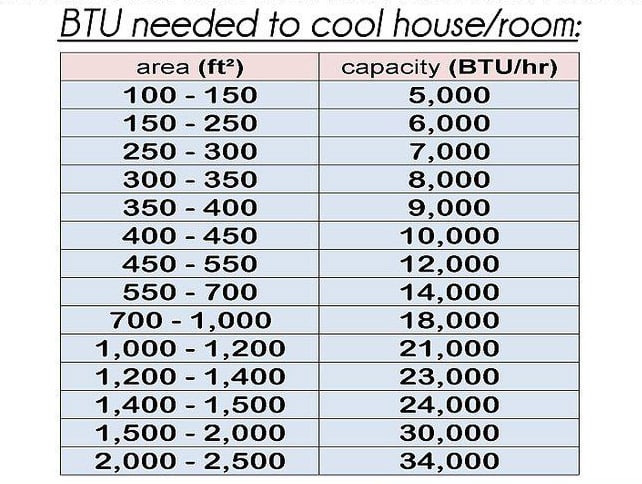
Imagine you're buying a new space heater. You see one advertised as "1500 watts" and another as "5000 BTUs." Now you know how to compare them! You can quickly convert the watts to BTUs and see which one offers more heating power. Boom! You're a BTU pro.
Knowing the BTU output of your heating system can also help you estimate your energy costs. The more BTUs your system produces, the more energy it consumes. This isn't a perfect science, but it gives you a general idea of what to expect on your next energy bill.
It's also just plain fun to know how things work. Knowing the correlation between watts and BTUs will impress your friends, confound your enemies, and make you a hit at parties (maybe).
Heat Strips: The Unsung Heroes of Heating
Heat strips are often found in air handlers, furnaces, and even some portable heaters. They are a simple and reliable way to generate heat using electricity. While they might not be as glamorous as a roaring fireplace, they get the job done, especially as a backup or supplemental heat source.
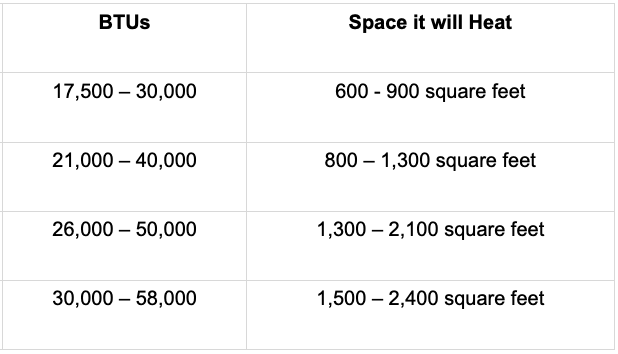
So, the next time you're feeling a chill, remember the humble heat strip. And remember that a 2000-watt heat strip is cranking out a respectable 6,824 BTUs of warmth. You'll appreciate it even more now that you know the science (sort of) behind it.
Now, go forth and impress everyone with your newfound knowledge of BTUs! You're officially a heat-calculating champion.
Remember to always consult with a qualified professional for heating and electrical needs. Playing with electricity can be dangerous, so leave it to the experts!