
How Many Btus For 1500 Sq Ft

Ever found yourself shivering in July or sweating in December, wondering why your home just can't get it right? Or maybe you've opened your energy bill and done a little gasp? Chances are, your heating and cooling system might be having a bit of an identity crisis when it comes to BTUs. Let's chat about what that even means, especially if you live in a lovely 1500-square-foot space.
What in the World is a BTU Anyway?
Okay, let's demystify this fancy acronym. BTU stands for British Thermal Unit. Sounds incredibly formal, doesn't it? But really, it’s just a way to measure heat energy. Think of it like this: one BTU is roughly the amount of energy it takes to light a single wooden match. Your heating and cooling system uses BTUs to tell you how much heat it can add (for warmth) or remove (for cooling) from your space.
So, when you see a furnace or an air conditioner rated for a certain number of BTUs, it's essentially telling you its power level. It’s like knowing the horsepower of a car – it gives you an idea of what it can do.
Must Read
So, My 1500 Sq Ft Home: How Many BTUs Do I Need?
Ah, the million-dollar question! And here's the honest, slightly frustrating answer right off the bat: there isn't one magic, universal number. I know, I know, you were probably hoping for something super straightforward like "30,000 BTUs, end of story!" But your home is as unique as you are, and several factors play into its specific BTU needs.
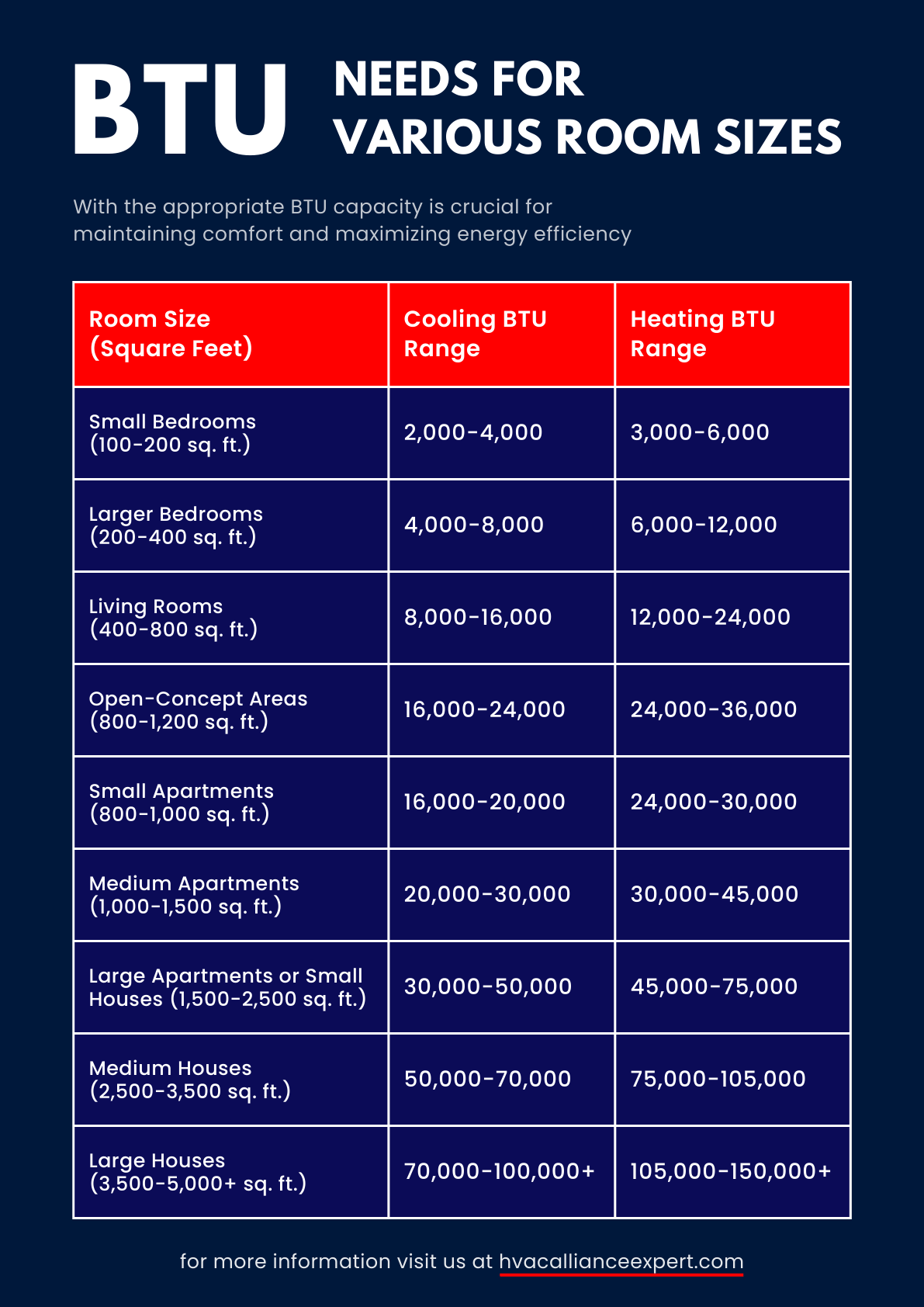
However, we can definitely give you a really good starting point and talk about what pushes that number up or down. For a typical 1500 sq ft home, you're generally looking at something in the ballpark of 24,000 to 30,000 BTUs for cooling (that's about 2 to 2.5 tons, if you're talking AC units) and potentially more for heating, depending on your climate.

Why Isn't There One Simple Answer? Let's Get Cozy with the Details!
Imagine trying to buy a pair of shoes for "a person." You'd need more info, right? Are they climbing a mountain or going to a fancy dinner? Are their feet wide or narrow? Your home is similar! Here are the little stories that change the BTU tale:
1. Your Climate (Is it a Toasty Oasis or a Frozen Tundra?)
This is probably the biggest influencer. If you live in scorching Arizona, your AC will need a lot more BTU muscle than if you're in mild Oregon. Conversely, if you're battling blizzards in Minnesota, your furnace needs to be a real powerhouse compared to someone in sunny Florida. It's like dressing for the weather – your house needs the right "clothing" for its environment.
2. The "Sweater" of Your Home: Insulation
Does your home wear a thick, cozy sweater, or is it more like a leaky old sieve? Good insulation is your home’s best friend. Walls, attic, floors – the better they're insulated, the less heat escapes in winter and less heat sneaks in during summer. A well-insulated 1500 sq ft home will need significantly fewer BTUs than one that's drafty and poorly insulated. Think of a thermos keeping your coffee hot – that's good insulation at work!

3. Windows, Windows, Everywhere!
Windows are lovely for light, but they can be major energy culprits. Single-pane windows are like leaving a door ajar for heat to rush in or out. Double-pane, energy-efficient windows, especially those with special coatings, act like sunglasses for your house, keeping unwanted heat out. The number, size, and even the direction your windows face (lots of west-facing windows can mean a lot of afternoon sun and heat!) will affect your BTU needs.
4. How High is Your Sky? (Ceiling Height)
Most homes have standard 8-foot ceilings. But if you have vaulted ceilings, an open-concept living space, or rooms with 10-foot ceilings, you've got a lot more air volume to heat or cool. It's like trying to fill a small bucket versus a giant tub – the tub needs more water (or BTUs!) to get the job done.
5. Who's Home? (Occupants and Appliances)
Believe it or not, people generate heat! A home with two people will have slightly lower BTU needs than a bustling family of six. Plus, appliances like your oven, stove, computer, and even that giant TV all kick out a bit of heat. It's like throwing a little party in your house – more guests mean more warmth (and potentially more cooling needed!).

Why Should You Care About Getting the BTUs Right? (Beyond Just Math!)
This isn't just about some abstract number; it's about your comfort, your wallet, and the lifespan of your system. Getting it wrong is like trying to use a tiny little coffee maker to brew for a stadium full of people, or firing up a massive industrial oven just to warm up a single muffin. Either way, you're going to be frustrated and probably pay way too much for the effort!
1. The Goldilocks Effect: Just Right Comfort
An AC or furnace that's too small for your 1500 sq ft home will run constantly, struggling to reach the thermostat setting. It'll be like a hamster on a wheel, never quite getting there, leaving you feeling either too hot or too cold. On the flip side, a unit that's too big for your space is a "short cycler." It'll blast hot or cold air, quickly reaching the desired temperature, and then shut off. This leads to inconsistent temperatures (some rooms too hot, some too cold) and often leaves your home feeling muggy because it hasn't run long enough to properly dehumidify the air.
2. Happy Wallet, Happy You! (Energy Bills)
Both an undersized and an oversized system are inefficient energy hogs. The undersized one runs endlessly, racking up hours and electricity. The oversized one constantly turns on and off, which uses a burst of energy each time (like stomping on the gas pedal in your car then immediately braking). A right-sized system runs efficiently, maintaining comfort with less effort, which translates directly to lower energy bills. Who doesn't want that?
3. Your System's Long and Happy Life
Imagine if you constantly had to sprint at full speed, then immediately stop, all day long. You'd wear out pretty fast, right? That's what an oversized HVAC system does. The frequent on-off cycling puts a lot of stress on the components, leading to more breakdowns and a shorter overall lifespan. An appropriately sized system works as it's designed, leading to fewer repairs and more years of reliable service.
Don't Guess, Get a Pro!
While we've given you a great ballpark and the factors to consider for your 1500 sq ft home, the best advice is always to consult a qualified HVAC professional. They'll perform what's called a "load calculation" (often a Manual J calculation), taking into account all the unique characteristics of your specific home – from window types to insulation levels to the direction your house faces. It’s like getting a custom-tailored suit instead of an off-the-rack purchase.
Getting the BTUs right for your 1500 sq ft home isn't just about a number; it's about ensuring your sanctuary is always comfortable, your bills are manageable, and your system gives you years of worry-free service. And that, my friends, is a happy ending we can all get behind!