
How Many Btu To Heat A Garage

Ever found yourself bundled up like a yeti in your own garage, just trying to finish that DIY project or perhaps locate a tool that seems to have migrated to the North Pole? Maybe you’ve dreamt of transforming that chilly concrete box into a cozy sanctuary – a workshop, a gym, or even just a warm pit stop before braving the elements. If any of this sounds familiar, you've probably, at some point, wondered: "How on earth do I make this place warm without setting my wallet on fire?"
Well, my friend, that’s where our often-mysterious friend, the BTU, steps onto the stage. Don't worry, it's not a secret society or a complex math problem designed to make your head spin. Think of it as the secret handshake to a warm and happy garage.
So, What Exactly is a BTU? (And Why Should I Care?)
BTU stands for British Thermal Unit. Sounds fancy, right? But it’s actually super simple. Imagine one tiny matchstick lighting up just enough to raise the temperature of a single pound of water by one degree Fahrenheit. That, my friends, is roughly one BTU. It's essentially the unit of measurement for heat energy. When you hear about a heater having "X BTUs," it's telling you how much heat it can kick out.
Must Read
Now, why should you care about this little unit? Because knowing your BTU needs is like knowing how many sweaters you need to wear. Too few, and you'll be shivering faster than a chihuahua in a snowdrift. Too many, and you’re basically heating the entire neighborhood while your wallet weeps quietly in the corner. Getting it right means comfort and efficiency – the holy grail of garage heating!
Why a Warm Garage is More Than Just a Nice-to-Have
Beyond simply avoiding frostbite, a properly heated garage opens up a whole world of possibilities:
-
Your Hobbies Get a Boost: Ever tried painting furniture when the paint is thicker than molasses? Or tinkering with a car engine when your fingers are numb? A warm garage means your passion projects don’t have to hibernate all winter. Your tools (and your mood!) will thank you.
-
Protect Your Precious Stuff: Some things just don't like the cold. Think sensitive electronics, certain paints, glues, or even those potted plants you're trying to overwinter. A bit of warmth keeps them happy and extends their life. It's like sending your belongings on a mini-vacation from the cold snap.
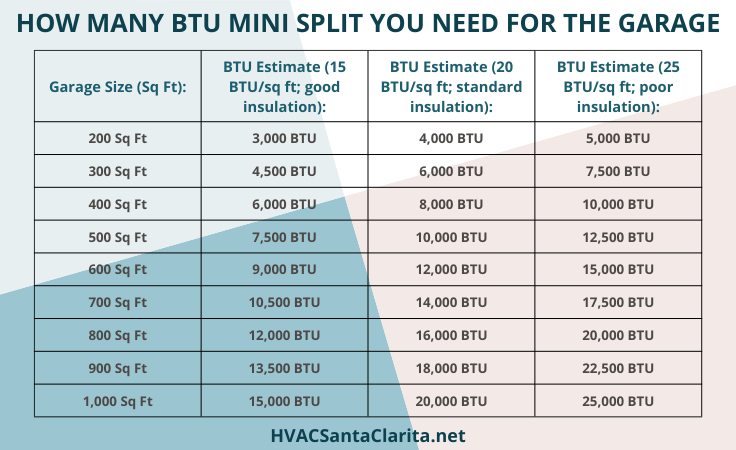
Sizing Your Heater: How Many Btu For 2 Car Garage? -
Expand Your Living Space: A heated garage can transform from a storage locker to a legitimate extension of your home. Picture a cozy workout space, a productive home office, a vibrant art studio, or the ultimate "man cave" (or "she-shed") where the only chills are from your favorite beverage.
-
Avoid Winter Woes: In colder climates, a little warmth can prevent pipes from freezing and bursting if you have water lines running through your garage. Trust us, fixing burst pipes is way less fun than having a warm garage!
The Big Factors: What Influences Your BTU Needs?
Calculating the exact BTU isn’t an exact science for us everyday folks, but understanding the key players helps you make a super educated guess. Think of it like baking a cake – you need to know the ingredients to get it right!
1. Size Matters (Your Garage, That Is!): This is the biggest one. Heating a broom closet is a lot easier (and cheaper) than heating an airplane hangar. The larger the square footage and the higher the ceilings, the more BTUs you’ll need to make it toasty. Imagine trying to heat a shoebox with a tiny candle versus a ballroom!

2. Insulation is Your Best Friend: This is arguably the most crucial factor. Good insulation is like putting a super warm winter coat on your garage. It keeps the heat in and the cold out. A poorly insulated garage (think paper-thin walls and leaky doors) will lose heat faster than a politician loses popularity, requiring significantly more BTUs just to keep up. Prioritize insulation, and your BTU needs will drop dramatically.
3. The Great Outdoors (Temperature-Wise): Are you trying to heat your garage in sunny Florida or frosty Minnesota? Obviously, the colder the average outside temperature, the more power (BTUs) your heater will need to fight off the chill.
4. How Warm Do You Want It? Are you aiming for "just above freezing" to protect tools, or a cozy 70°F for yoga sessions? The higher your desired temperature, the more BTUs you'll need. It’s the difference between a light jacket and a full-on winter parka.
5. Windows and Doors: These are notorious energy vampires if they’re old, single-pane, or have poor seals. Just like a tiny crack in your window lets in a surprising amount of cold air, unsealed gaps in your garage can make your heater work overtime. Every little draft is a BTU thief!

The Easy-Peasy Way to Estimate Your BTU Needs
Alright, so how do we translate all this into a number? While a professional HVAC technician can give you a precise calculation, for everyday purposes, a simple rule of thumb works wonders:
Most experts suggest multiplying your garage’s square footage by a factor between 20 and 50 BTUs per square foot.
-
20 BTUs/sq ft: For garages that are super well-insulated and in milder climates.
-
30-40 BTUs/sq ft: A good general range for moderately insulated garages in average winter climates.
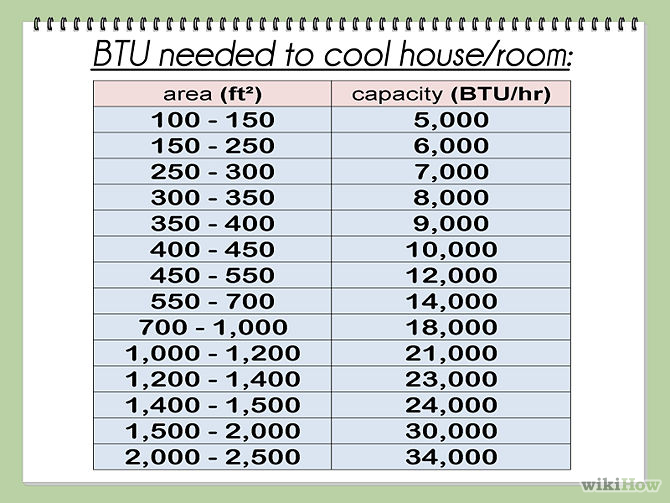
How Many Btu Heater Do I Need For My Garage Calculator at Bobby Flores blog -
50+ BTUs/sq ft: For garages with minimal insulation, high ceilings, or in very cold climates. Think of it as a heater for a drafty old barn.
Let's do a quick example: You have a standard 2-car garage that’s about 20x20 feet, so 400 square feet. If it’s moderately insulated and you live in a decent winter climate (let’s go with 35 BTUs/sq ft), you’d need about 400 x 35 = 14,000 BTUs. That gives you a solid starting point when looking at heaters!
Don’t forget the magic of online BTU calculators! A quick search for "garage heater BTU calculator" will lead you to several handy tools where you can plug in your specific dimensions and insulation levels for a more tailored estimate. They often ask about your desired temperature and local climate too, giving you a surprisingly accurate number without breaking out a protractor.
Before You Buy That Heater… One Last Tip!
Remember what we said about insulation? Seriously, invest in insulating your garage walls, ceiling, and especially your garage door before you buy the biggest heater you can find. It’s like trying to fill a leaky bucket – you can pour in all the water you want, but it won’t stay full until you patch the holes. Insulation and sealing drafts are often the most cost-effective steps you can take to make your heating efforts truly efficient and comfortable.
So, there you have it! BTUs aren’t so scary after all, are they? They're simply your guide to a warmer, more functional, and ultimately, much happier garage. Go forth and conquer that cold concrete box – your tools, hobbies, and fingers will thank you!