
How Many Btu For A Living Room
Ever stop to wonder about the invisible forces making your living room feel just right? Or perhaps, sometimes, not quite right? We're talking about comfort, that sweet spot between too hot and too cold. And hidden behind all that is a little hero called the BTU. Sounds technical, right? But trust me, understanding it is like getting a secret superpower for making your home feel amazing.
So, let's peel back the curtain and chat about this mystical "British Thermal Unit" (BTU). What is it, really? Think of a BTU as a tiny, invisible measure of heat energy. Specifically, it's the amount of energy needed to raise the temperature of one pound of water by one degree Fahrenheit. Yeah, science! But for us, it's simpler: it's basically a little packet of warmth (or coolness, if you're taking it away!).
When we talk about how many BTUs for a living room, we're essentially asking: how much heating or cooling power does this space need to be perfectly cozy? It’s like figuring out how many blankets you need to stay warm on a chilly night, or how many ice cubes to keep your drink cool on a hot day. It’s all about balance!
Must Read
Why Can't We Just Pick a Number?
Ah, if only it were that simple! You might think, "My living room is X by Y feet, so it needs Z BTUs." While size is a big player, it's definitely not the only one on the team. Imagine trying to guess how many sprinkles a cupcake needs – it depends on the cupcake, the baker, and how much you love sprinkles, right? Your living room is much the same.
The truth is, there's no single magic number for every living room out there. Each space is as unique as a fingerprint! But don't worry, we're not left in the dark. There are some fantastic guidelines and factors to consider that will get you mighty close to your perfect BTU sweet spot.
The "Rough & Ready" Rule of Thumb
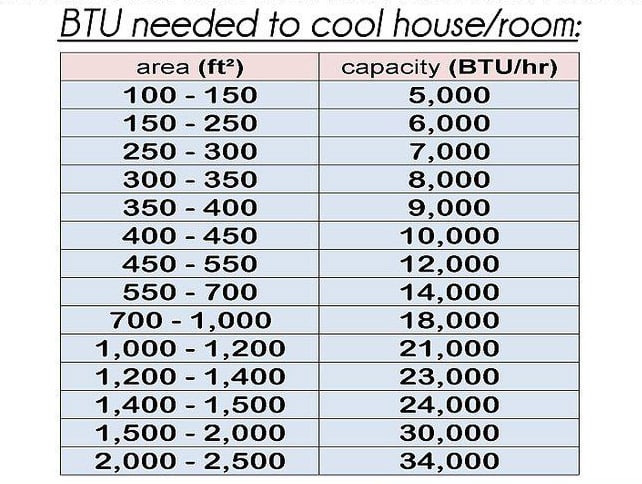
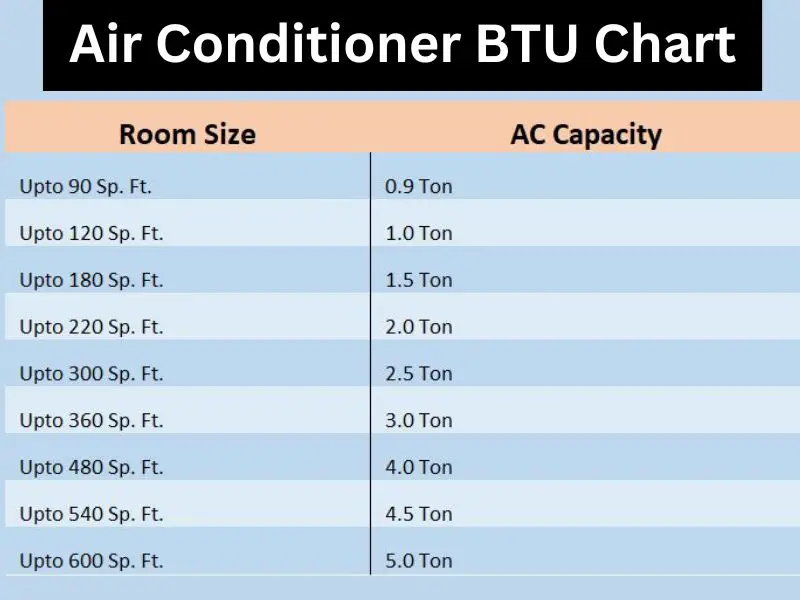
Alright, let's get down to some starting figures. For a general estimate, a common rule of thumb for cooling (which often translates well for heating power too, though heating calculations can be a bit more complex) is around 20 BTUs per square foot.
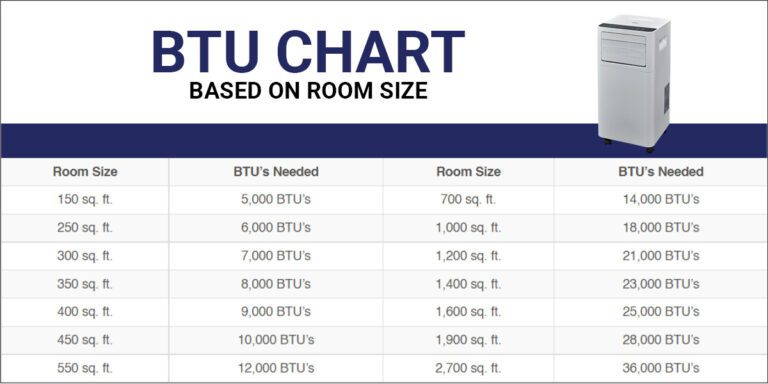
So, if your living room is, say, 15 feet by 20 feet, that’s 300 square feet. Multiply 300 by 20, and you get 6,000 BTUs. Easy peasy, right?
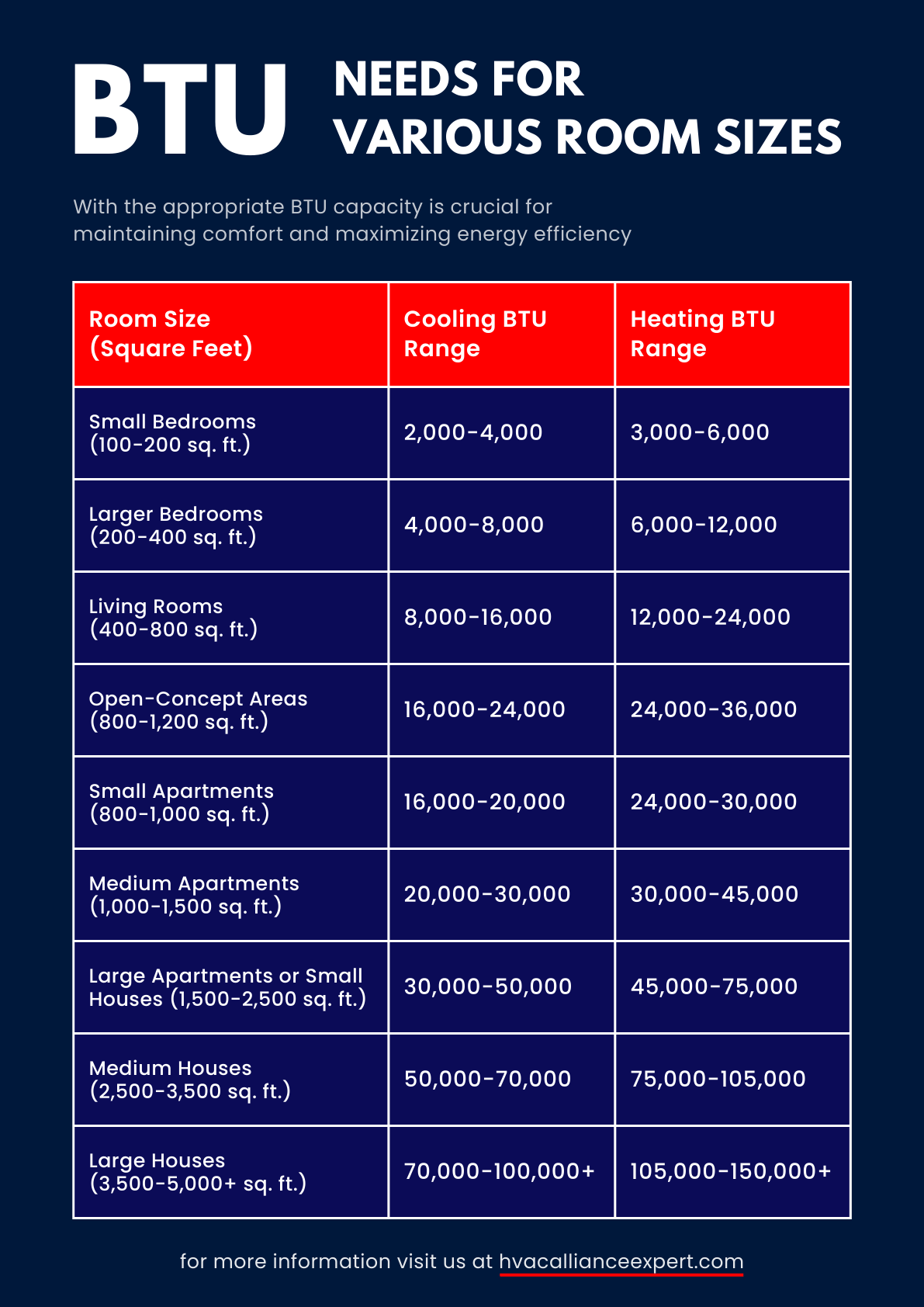
But wait, there's more! This is a super basic starting point. A typical living room might need anywhere from 5,000 BTUs for a small, well-insulated space up to 20,000 BTUs or even more for a large, open-plan area with lots of windows. See? Quite a range! This is where those other cool factors come into play.
What Makes a BTU Count Change? Let's Explore!
Think of your living room as having its own personality. Is it a sun-loving, glass-walled wonder, or a cozy, shaded nook? These details seriously impact how many BTUs it craves.
1. Room Size (The Obvious One)
Naturally, a bigger room needs more BTUs. Heating or cooling a tiny reading corner is a totally different ballgame than wrangling the climate in a sprawling open-concept living space. More air volume means more energy to change its temperature. Simple physics!
2. Windows & Doors (Heat Leaks!)
Got lots of windows? Especially older, single-pane ones? They're like big, gaping holes where your precious BTUs can escape! Heat loves to sneak out through glass in winter and blast in through it in summer. More windows, especially west or south-facing ones that get direct sun, mean you'll need a higher BTU capacity. It's like trying to fill a bucket with water when it has a bunch of tiny holes.
3. Insulation Quality (Your Home's Winter Coat)
This is a biggie! Good insulation in your walls, attic, and even floors acts like a warm blanket for your house. It keeps the heat in when it's cold outside and keeps the heat out when it's scorching. A well-insulated living room will need significantly fewer BTUs than one where the heat just waltzes right through the walls.
4. Sunlight Exposure (Nature's Own Heater/Cooler)
Does your living room bask in glorious morning sun, or is it shaded by trees? A room that gets a lot of direct sunlight, especially in warmer climates, will build up heat naturally. For cooling, this means you'll need more BTUs to counteract that solar gain. For heating, it might mean you need a bit less if the sun is helping out!
5. Climate Zone (Where Do You Live?)
Are you living in a place with harsh winters and mild summers, or vice versa? The overall climate where you live plays a huge role. Someone in sunny Florida will have very different BTU needs for cooling their living room than someone in chilly Alaska trying to heat theirs. It’s about fighting against the dominant outdoor temperature.
6. Ceiling Height (More Air to Manage)
Lofty, cathedral ceilings look amazing, but they also mean there's a lot more air volume to heat or cool compared to a standard 8-foot ceiling. So, if your living room goes vertical, factor in a few more BTUs.
Why Getting the BTU Right is Super Important
This isn't just a fun numerical game; it seriously impacts your comfort and your wallet!
Too Few BTUs: Your heating or cooling system will struggle. It'll run almost constantly, trying (and failing) to reach your desired temperature. This means higher energy bills, a system that wears out faster, and a room that never truly feels comfortable. Imagine trying to warm a giant hall with a tiny hairdryer – frustrating!
:max_bytes(150000):strip_icc()/air-conditioning-chart-1152654_final-02-c37c8b4fdf08432baf378e8f0cb9d8e0.jpg)
Too Many BTUs: Sounds like a good problem, right? Not exactly. An oversized system will cycle on and off too frequently (this is called "short cycling"). While it might hit the temperature quickly, it won't run long enough to properly dehumidify the air. This can leave your living room feeling clammy and uncomfortable, even if the thermometer says it's cool. Plus, it's less efficient and still wears out the system faster. It's like using a massive fire hose to water a potted plant – overkill!
The goal is the Goldilocks Zone: just the right amount of BTUs for optimal comfort, efficiency, and system longevity.
So, How Do You Find Your Living Room's Sweet Spot?
Now that you're a budding BTU expert, how do you apply this?
- Online BTU Calculators: A great starting point! Many HVAC manufacturers and home improvement sites offer these. You plug in your room dimensions, window details, insulation, and local climate, and it gives you a good estimate.
- Check Appliance Specs: When buying an AC unit or a space heater, you'll see its BTU rating clearly listed. Make sure it aligns with your calculations.
- Consult a Pro: For the most accurate assessment, especially if you're installing a whole new HVAC system, call in an HVAC professional. They use specialized tools and their expertise to conduct a "load calculation," giving you the precise BTU needs for your entire home, including your living room. They're the real BTU whisperers!
Ultimately, understanding BTUs isn't just about technical jargon; it's about translating science into practical comfort. It's about empowering you to make informed decisions for your home, ensuring your living room is always that perfectly inviting space you want it to be, whether it's for a quiet evening with a book or a lively gathering with friends. Happy BTU hunting!