
How Many Btu Air Conditioner For 300 Square Feet

Alright, let's talk about staying cool. Imagine you're baking cookies on a summer afternoon. The oven's blasting, the sun's beating down, and suddenly your 300-square-foot living room feels like a sauna. That's where an air conditioner comes to the rescue! But how do you pick the right one so you're not sweating it out or, on the flip side, wasting energy and money?
The secret weapon? BTUs. That stands for British Thermal Units, and basically, it's a measure of how much heat an air conditioner can remove from a room per hour. Think of it like this: BTUs are to air conditioners what horsepower is to cars. More power (or BTUs) means more cooling capacity. Choosing the right BTU level ensures efficient and effective cooling for your space.
So, How Many BTUs Do You REALLY Need for 300 Square Feet?
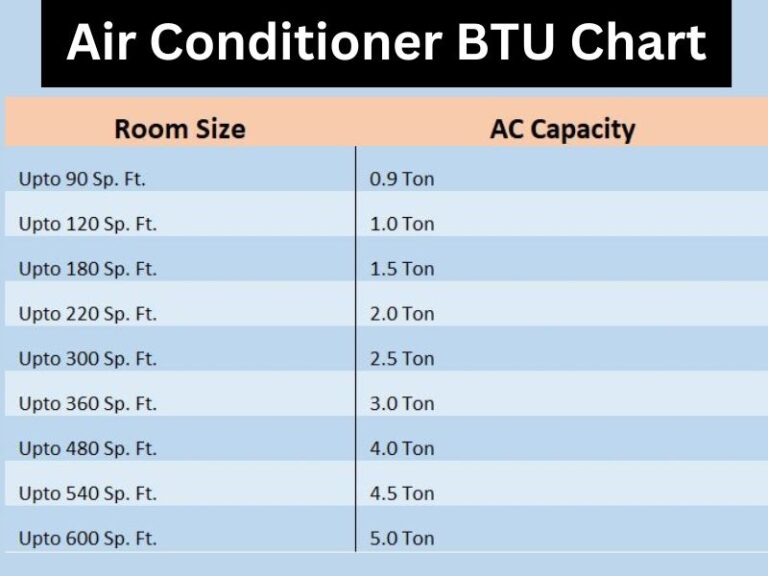
Here's the golden rule (and it's surprisingly simple): for every square foot of space, you generally need 20 BTUs. So, for a 300-square-foot room, you're looking at around 6,000 BTUs. (300 x 20 = 6,000). Easy peasy!
Must Read
Think of it like ordering pizza. You wouldn't order a large pizza for just yourself if you only want a slice, right? Similarly, you wouldn't want a huge, overpowered AC for a small room. You'd end up with a chilly, damp space and a hefty energy bill.
But Wait! There's Always a "But"...
While the 20 BTU per square foot rule is a great starting point, it's not the whole story. A few other factors can influence the perfect BTU level for your 300-square-foot oasis:
- Sun Exposure: Is your room bathed in sunshine all day? If so, you'll want to bump up the BTUs a bit. That extra sunlight means extra heat gain. Consider adding an extra 10% to the recommended BTU level.
- Number of Occupants: Do you live alone, or is your 300-square-foot space a bustling hub for family and friends? More people generate more heat. Add about 600 BTUs for each additional person regularly occupying the space. Think of it as adjusting for their collective "heat aura."
- Kitchen Appliances: If your 300 square feet includes a kitchen area, those appliances can kick out some serious heat. Stoves, ovens, even refrigerators contribute. Factor this in, especially if you do a lot of cooking.
- Insulation: Good insulation helps keep the heat out in the summer and the cool in. If your walls are poorly insulated or your windows are drafty, you might need a slightly more powerful AC.
- Ceiling Height: Rooms with higher ceilings require more BTUs to cool effectively. Standard ceiling heights (around 8 feet) are usually fine with the standard calculation, but if your ceilings are soaring, consider adjusting accordingly.
Imagine your 300-square-foot space is a tiny art studio with huge, sun-drenched windows. In that case, you might want to nudge that 6,000 BTU figure up a little. On the other hand, if it's a well-insulated basement bedroom that stays naturally cool, 6,000 BTU might be just perfect.
Why Does Getting the Right BTU Matter?
Choosing the right BTU air conditioner isn't just about comfort; it's about efficiency and your wallet! Here's why it's worth paying attention:

- Cost Savings: An AC with too many BTUs will cool the room too quickly and then shut off, leading to short cycling. This wastes energy and shortens the lifespan of your unit. A properly sized unit runs more efficiently, saving you money on your electricity bill.
- Comfort: An AC that's too powerful can leave your room feeling cold and clammy. The ideal AC removes humidity effectively without overcooling. It's all about achieving that Goldilocks zone: not too hot, not too cold, but just right.
- Longevity of Your AC: Overworked or underpowered AC units tend to break down faster. Choosing the right BTU level means your AC won't have to struggle, extending its lifespan and saving you money in the long run.
Putting It All Together
So, what's the takeaway? While 6,000 BTUs is a solid starting point for a 300-square-foot room, consider these extra factors: sun exposure, occupants, kitchen appliances, insulation, and ceiling height. A little extra thought will lead you to that perfectly cool and comfortable space. Don't be afraid to ask an expert for advice – many HVAC companies offer free consultations.
Investing in the right air conditioner is like investing in a good night's sleep – it's worth it! So, go forth and conquer that summer heat, armed with your newfound BTU knowledge!
Stay cool, my friends! And remember, a little bit of planning goes a long way toward creating a comfortable and energy-efficient living space. Who knew calculating BTUs could be so empowering?

:max_bytes(150000):strip_icc()/air-conditioning-chart-1152654_final-02-c37c8b4fdf08432baf378e8f0cb9d8e0.jpg)