
How Many Btu Ac Per Square Foot
Picture this: the sun is blazing, the air outside feels like a warm, wet blanket, and all you can dream of is that glorious, crisp chill of air conditioning. Ah, the sweet relief! Our trusty AC units are more than just machines; they're our guardians against the summer swelter, silent heroes battling the heat.
But have you ever stopped to think about how they do it? It's not magic, though it often feels like it. There’s a fascinating, almost whimsical science behind getting that perfect cool, and it often comes down to a mysterious little measurement called BTU.
Now, don’t let the letters scare you. BTU stands for British Thermal Unit, but for our purposes, think of it as your AC’s personal "strength score." It’s how much heat energy your unit can move out of a space in an hour.
Must Read
The bigger the BTU number, the more powerful your air conditioner is. It’s like how a bigger engine means a more powerful car, but for cooling your cozy abode instead of zooming down the highway.
The Dance Between BTU and Your Humble Square Foot
So, here's the fun part: how much "strength" does your AC need? This is where your home's square footage steps into the spotlight. It's not just about the size of your TV; it's about the size of the room your AC needs to hug with a cool embrace.
Many people assume there’s a simple, universal formula: "X BTUs per square foot, no exceptions!" But that, my friends, is where the story gets delightfully complicated and surprisingly human.
Imagine trying to pick out a shirt without knowing if it's for a teddy bear or a professional wrestler. Getting the right BTU for your square footage is a bit like that. One size definitely does not fit all.
You see, there isn't just one magic number etched in stone. Instead, it’s a beautiful dance, a gentle negotiation between your AC’s power and the unique personality of your room.
The Tale of Too Much, Too Little, and Just Right
Let's explore the hilarious and sometimes frustrating consequences of getting this balance wrong. Have you ever walked into a room where the AC was running so cold, you felt like you'd stumbled into an Arctic expedition in July?

That’s often a sign of an air conditioner that’s too powerful for its space. It's like having a monster truck to pick up a feather. It blasts the room with cold air, cycling on and off too quickly.
While it might seem nice to have an instant chill, an overpowered AC can actually make things feel clammy. It cools the air but doesn't run long enough to properly dehumidify the room. Hello, sticky discomfort!
On the flip side, consider the poor, struggling AC unit that’s underpowered for its domain. It whirs and hums with all its might, trying desperately to cool a space it simply wasn't built for.
You might find yourself perpetually sweating indoors, wishing you could just move closer to the vent. It’s like asking a kitten to guard a castle; adorable effort, but ultimately ineffective against the dragon of heat.
This little AC hero tries its best, running constantly, consuming energy, but never quite reaching that blissful state of cool comfort. It’s a heartwarming effort, perhaps, but certainly not efficient or enjoyable.
The goal, of course, is the "Goldilocks" zone: not too strong, not too weak, but just right. This is where the magic happens, where your home becomes an oasis of perfect temperature.

Beyond the Basic Blueprint: What Makes Your Room Unique?
Now, you might think, "Okay, so I measure my square footage, find a chart, and I'm good to go!" Not quite. This is where the real fun begins, because every room has its own quirks and secrets.
Think about a sun-drenched living room with floor-to-ceiling windows. That room is constantly absorbing heat, like a lazy cat basking in a sunbeam. It will need more cooling power than a shadowy bedroom on the north side of the house.
Consider your kitchen, a bustling hub of activity. The heat from cooking, baking, and even just the refrigerator adds warmth. That space needs extra BTU muscle to keep up with the culinary adventures.
What about insulation? A well-insulated room holds onto its cool air like a treasure, requiring less effort from the AC. A drafty old house, however, is like a sieve, letting cool air escape and inviting warm air in.
The number of people usually occupying a room also matters. Each person is a small, warm-blooded furnace, radiating a bit of heat. A crowded game night needs more cooling than a quiet afternoon read.
"The perfect AC isn't just about science; it's about understanding the unique personality of your space and the people who fill it."
Even the climate you live in plays a huge role. A home in scorching Arizona will have very different cooling needs than one in breezy Oregon. It's all about tailoring the solution to its specific environment.

The Human Element: Our Personal Comfort Zones
And let's not forget the most charming variable of all: us! What one person considers "perfectly comfortable," another might deem "a bit chilly" or "still too warm."
Many a family debate has revolved around that little thermostat dial. Dad wants it at 72°F, Mom prefers 75°F, and the kids just want ice cream regardless of the temperature.
This human element is what truly makes AC sizing an art as much as a science. We’re not just cooling square feet; we’re creating environments for living, laughing, and simply being comfortable.
The goal is to provide enough power to satisfy the warmest person in the room without turning everyone else into a shivering icicle. It's a delicate balance, a constant quest for domestic harmony.
Appreciating Your AC Hero
So, the next time you bask in the glorious cool of your air conditioner, take a moment to appreciate the intricate dance of BTUs and square footage. It's not just a technical specification; it's the heart of your comfort.
Understanding this subtle relationship helps us appreciate our AC heroes even more. When it's working perfectly, it hums quietly in the background, a true unsung champion of summer serenity.

It’s the silent force that allows for peaceful sleep, focused work, and joyful gatherings, even when the world outside is sizzling. It lets us enjoy our homes, making them true sanctuaries from the heat.
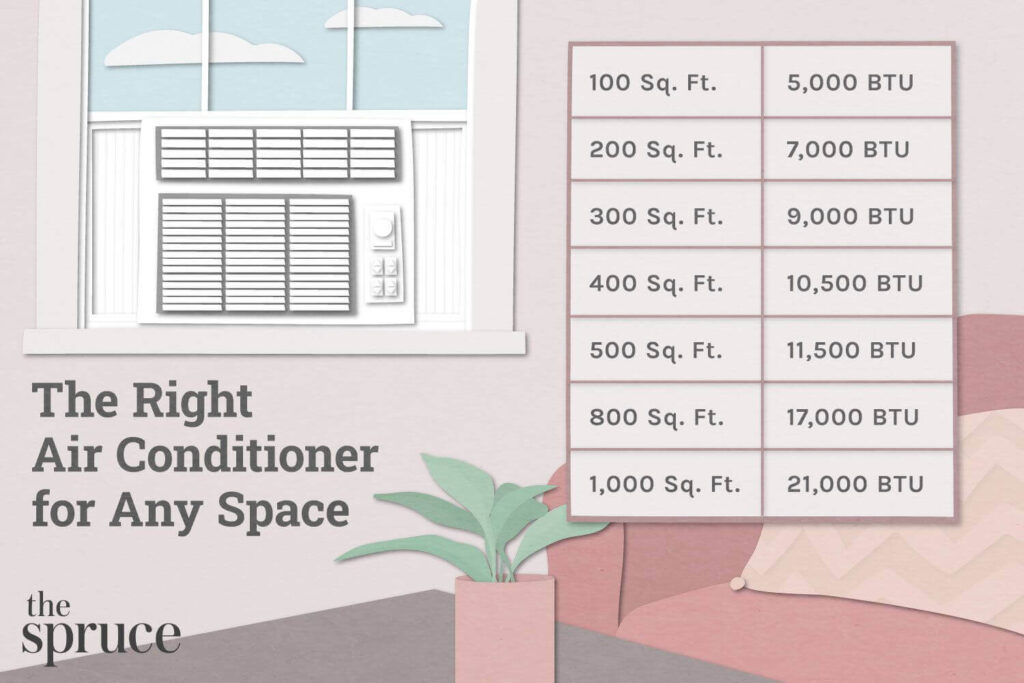
While there are helpful guidelines and charts you can find online (often suggesting around 20-25 BTUs per square foot for average conditions), remember these are just starting points. They are like friendly nudges in the right direction.
For that truly perfect cool, especially for central AC, a little expert advice can go a long way. These professionals are the "AC whisperers," able to decode your room’s personality and match it with its ideal cooling companion.
They factor in those sunbeams, those busy kitchens, and even how many Netflix binges you plan to have. They ensure your home is not just cool, but comfortably cool, efficiently and effectively.
So, let’s raise a glass (of ice water, naturally!) to our wonderful air conditioners. May they always be perfectly matched to their square footage, delivering that optimal cool, and keeping our spirits high even on the hottest days.
The mystery of BTUs per square foot isn't so mysterious after all; it's just a sweet reminder that even the most technical things can be about making our lives a little more enjoyable, one perfectly chilled room at a time.