
How Many Btu 1500 Watt Heater

Ever found yourself shivering slightly, maybe with a mug of something warm in hand, and thought, "Man, I could really use a little extra heat in here?" Welcome to the club! Portable electric heaters are the unsung heroes of instant comfort, turning a chilly nook into a cozy sanctuary. And if you've ever picked one up, chances are it was a 1500-watt heater. But what does that number really mean for your warmth? Let's decode the magic of BTUs.
The Big Question: Watts to BTUs?
Okay, so you've got a 1500-watt heater. Watts are a measure of electrical power input. But when it comes to heating, we often talk in BTUs (British Thermal Units), which measure the actual heating output. It’s like measuring a car by its horsepower (watts equivalent) versus how fast it goes (BTUs equivalent).
The conversion is pretty straightforward: 1 watt of power equals approximately 3.41 BTUs per hour.
Must Read
So, for your trusty 1500-watt heater, the math looks like this:
1500 Watts x 3.41 BTU/Watt = 5115 BTUs per hour.
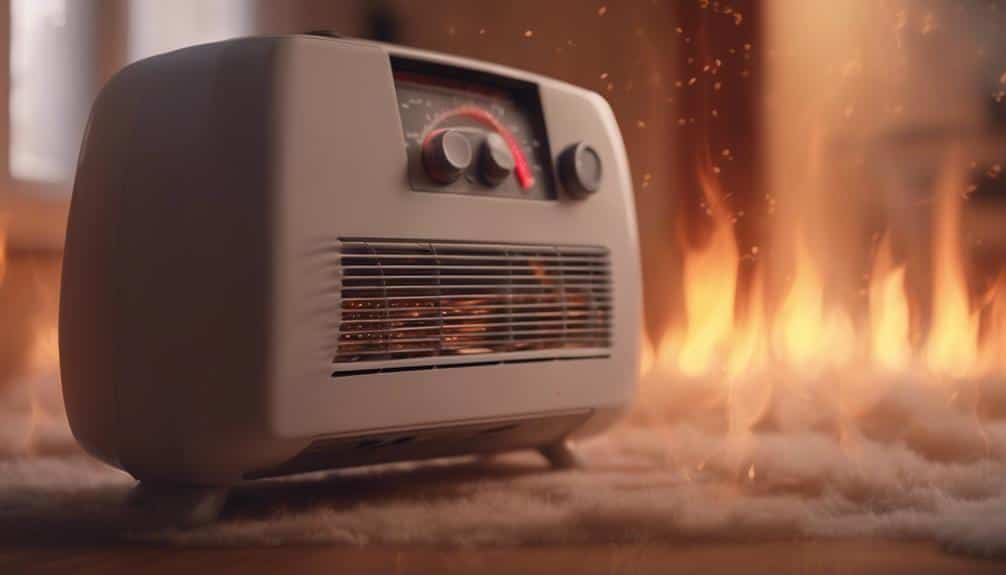
That's the magic number! A standard 1500-watt electric heater will put out around 5115 BTUs of heat per hour.
What Does 5115 BTUs Actually Heat?
Knowing the BTU number is great, but what does it mean for your actual living space? A general rule of thumb for heating is that you need about 10 BTUs per square foot of space.

Let's do some more quick math:
5115 BTUs / 10 BTUs per square foot = approximately 511 square feet.
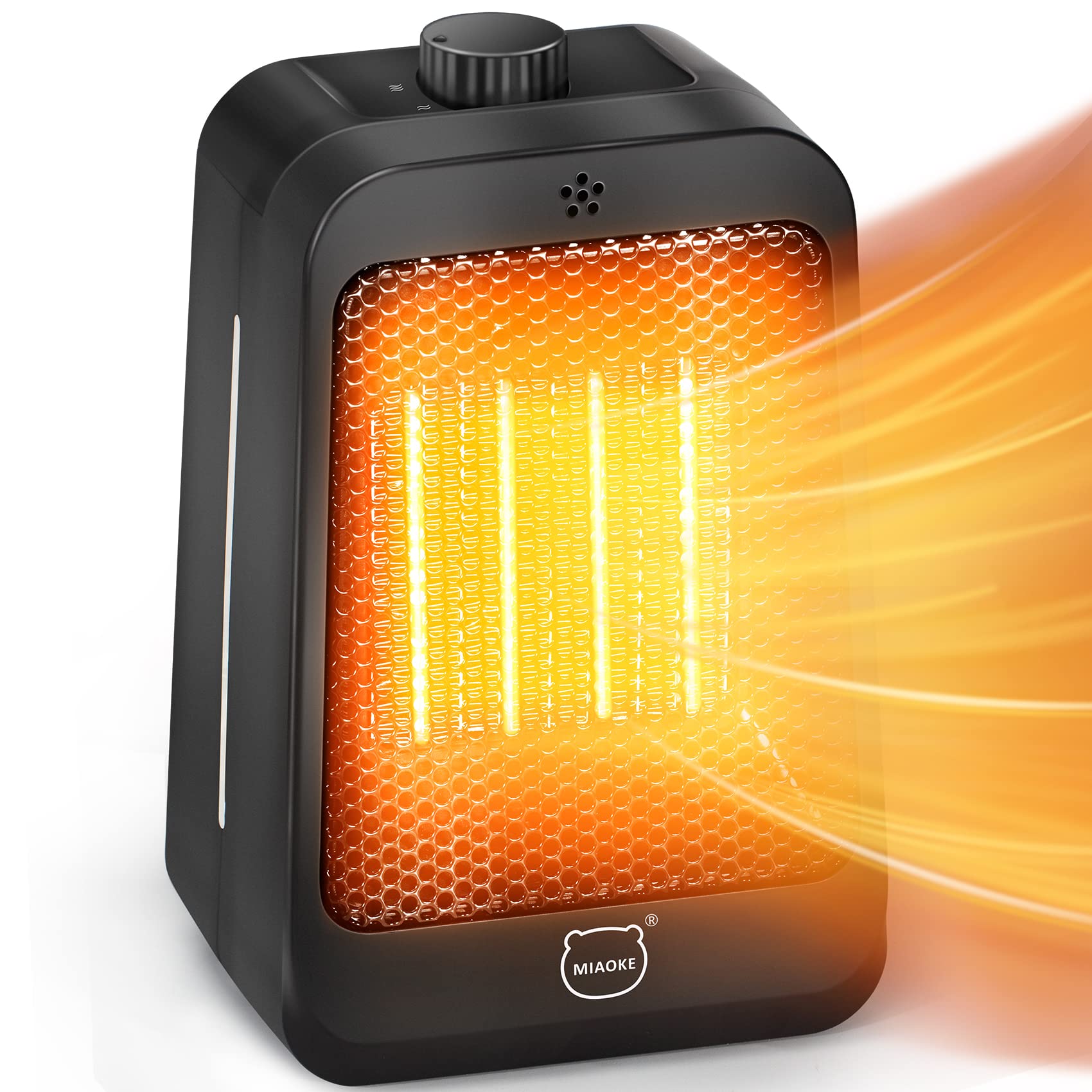
This means a 1500-watt heater is generally capable of providing supplemental heat for a room up to about 500 square feet. Think of a generously sized living room, a master bedroom, or even a small studio apartment. It’s perfect for that targeted "zone heating" strategy, keeping your immediate space toasty without cranking up the thermostat for the whole house.
Beyond the Numbers: Real-World Factors
While 500 sq ft is a great guideline, the real world isn't always so neat and tidy. Several factors can influence how effectively your 1500-watt heater warms up a space:
- Insulation: Is your room well-insulated? Drafty windows and thin walls will let heat escape faster, making your heater work harder. Think of an old, charming bungalow versus a modern, energy-efficient apartment.
- Ceiling Height: High ceilings mean more air volume to heat, so a 15' x 20' room with an 8-foot ceiling will feel warmer than the same size room with a 12-foot ceiling.
- External Temperature: Trying to heat a room when it's freezing outside is a bigger challenge than when it's just a little cool.
- Desired Temperature: Are you aiming for "just takes the chill off" or "tropical paradise"? The higher the temperature differential, the more energy required.
- Location, Location, Location: Placing your heater strategically, away from drafts and in the main living area, makes a big difference.
Types of 1500-Watt Warmth
Not all 1500-watt heaters are created equal in how they deliver their 5115 BTUs.
- Ceramic Heaters: Often compact and quick to heat up, blowing warm air with a fan. Great for instant warmth under a desk or in a small bedroom.
- Oil-Filled Radiators: These work like miniature old-school radiators, heating oil inside fins that then radiate warmth slowly and steadily. Perfect for sustained, gentle heat in a living room without drying out the air. They're often silent too, ideal for a quiet reading nook.
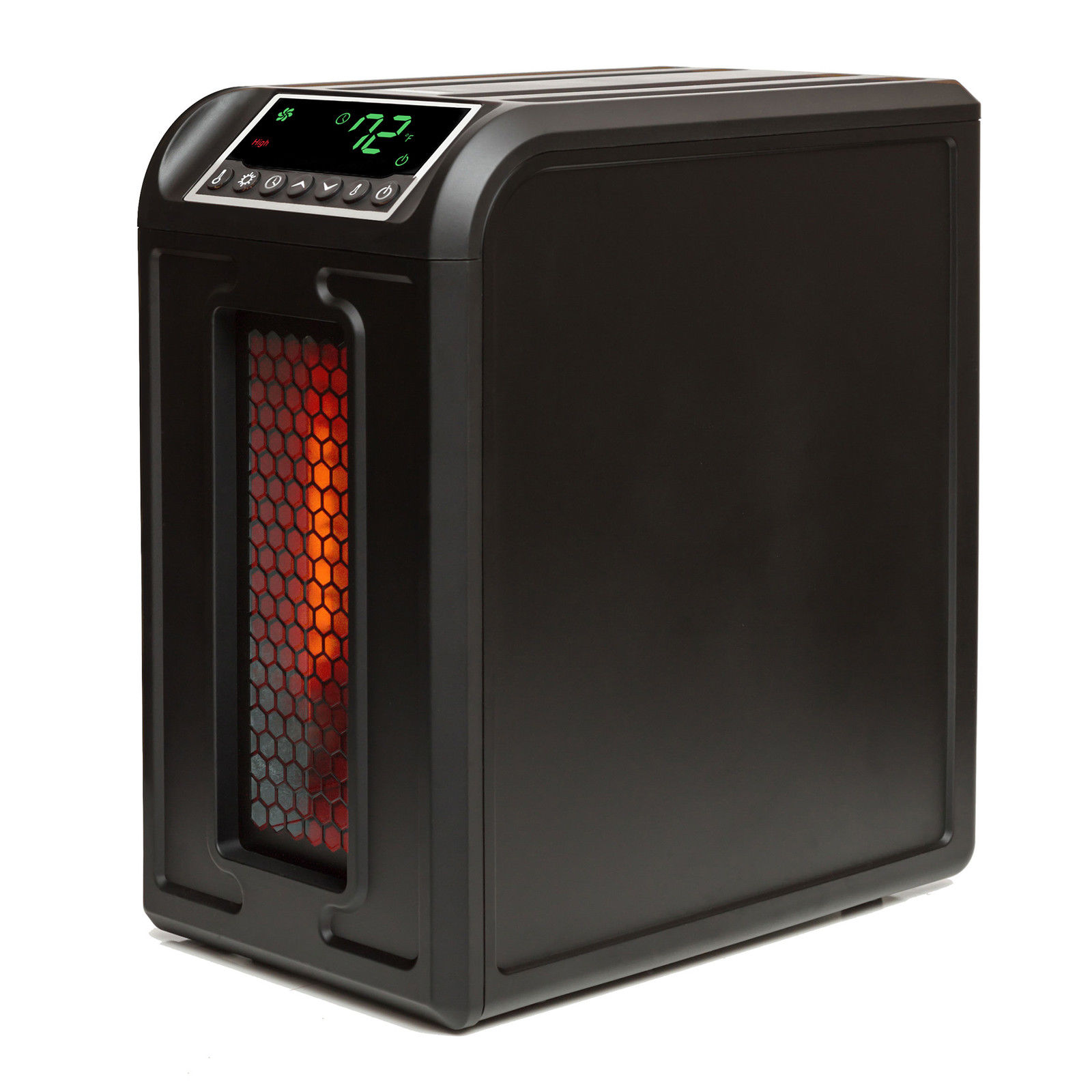
- Infrared Heaters: These directly heat objects and people in their path, rather than the air. Think of standing in the sun on a cold day – you feel warm even if the air is chilly. Great for workshops or drafty rooms where you want to warm you directly.
Practical Tips for Peak Cozy
Maximizing your heater's efficiency isn't just about BTUs; it's about smart usage.
- Zone Heating is Your Friend: Only heat the rooms you're actively using. Close doors to other rooms to prevent heat loss.
- Seal Up Drafts: A little caulk or weatherstripping around windows and doors can make a surprising difference. It's like putting a lid on a pot to keep the heat in!
- Layer Up: Embrace sweaters, cozy socks, and blankets. Sometimes, a little personal insulation means you don't need your heater running as high or as long.
- Safety First: Always plug your heater directly into a wall outlet (avoid extension cords if possible), keep it on a flat, stable surface, and ensure it's away from anything flammable – curtains, blankets, or piles of laundry. Many modern heaters have tip-over protection and automatic shut-off features, which are fantastic peace-of-mind perks.
- Timer & Thermostat: Many 1500-watt heaters come with built-in thermostats to maintain a desired temperature, cycling on and off to save energy. Timers are also great for pre-warming a room before you wake up or arrive home.
The Warmth of Understanding
So there you have it! A 1500-watt heater packs a punch of approximately 5115 BTUs per hour, making it a powerful ally in the quest for personal comfort, typically capable of warming a space up to 500 square feet. It's not just a box that gets hot; it's a small marvel of engineering designed to chase away the chill. Understanding the BTUs behind the watts lets you choose and use your heater more effectively, transforming a cold room into a haven of warmth. Ultimately, it’s about creating those snug, inviting moments – whether you're curled up with a book, working from home, or simply enjoying a quiet evening in. Stay cozy out there!