
How Many Barrels Of Oil Are Produced Each Day
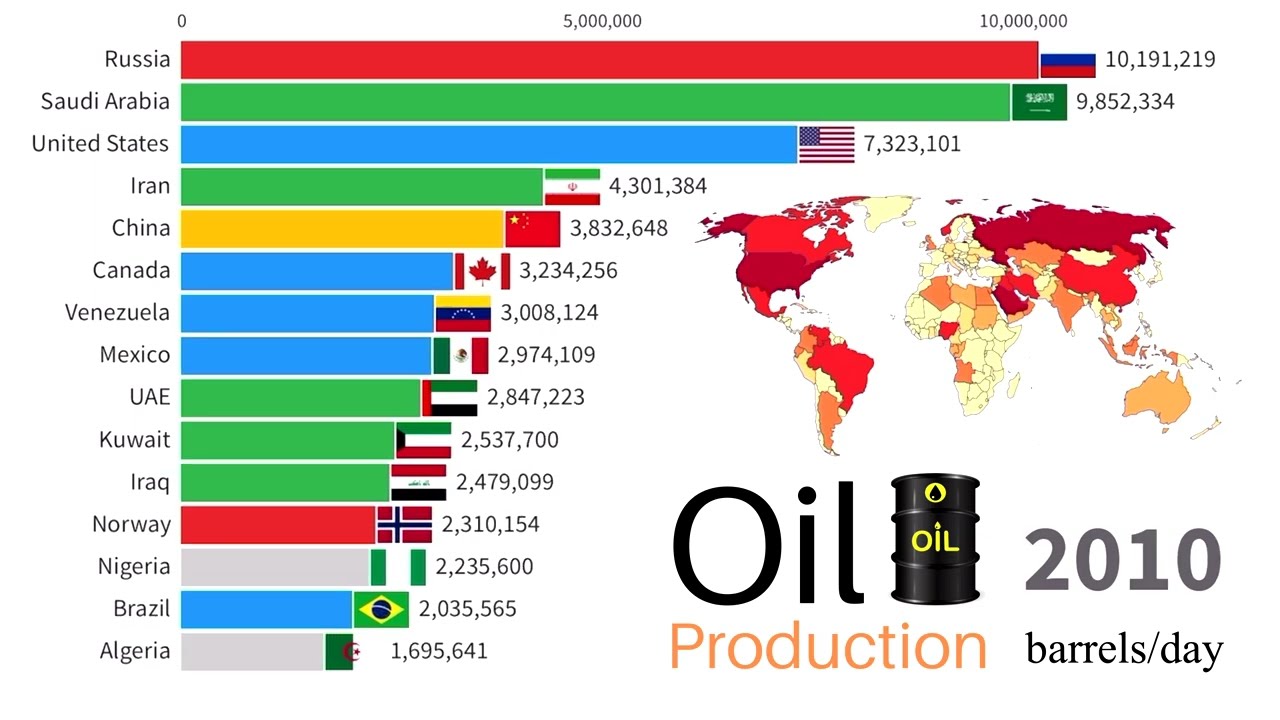
Ever stop to wonder just how much oil we're pumping out of the ground every single day? I mean, we hear about oil prices, oil reserves, and oil spills, but rarely do we really get a handle on the sheer scale of the operation. Well, let's dive in and see just how many barrels of black gold are being brought up daily, and why it's actually a pretty mind-blowing number.
So, How Many Barrels Are We Talking About?
Alright, drumroll please... Globally, we're talking about roughly 90 to 100 million barrels of oil produced every day. Yeah, you read that right. Millions. Per. Day.
Think about that for a second. That's not a yearly figure, not a monthly figure, but a daily one.
Must Read
Now, 90-100 million barrels is a pretty abstract number, isn't it? It's hard to really visualize. Let's try to put that into perspective.
Putting the Numbers in Perspective: Oil Edition
Imagine a standard Olympic-sized swimming pool. One of those bad boys holds around 660,000 gallons of water. A single barrel of oil contains 42 gallons. So, if you wanted to fill that entire swimming pool with oil, you'd need approximately 15,700 barrels.
With a daily production of 90-100 million barrels, we could fill about 5,700 to 6,300 Olympic-sized swimming pools with oil, every single day! That’s enough to give every Olympic swimmer on the planet a personal, oil-filled pool…which, okay, maybe isn't the best visual, but it highlights the sheer volume, right?
Still not doing it for you? Okay, how about this: imagine stacking those barrels end to end. If you laid 95 million barrels of oil end-to-end, you'd create a line that would stretch around the Earth more than 70 times! Think about that on your next road trip.

Where Does All This Oil Come From?
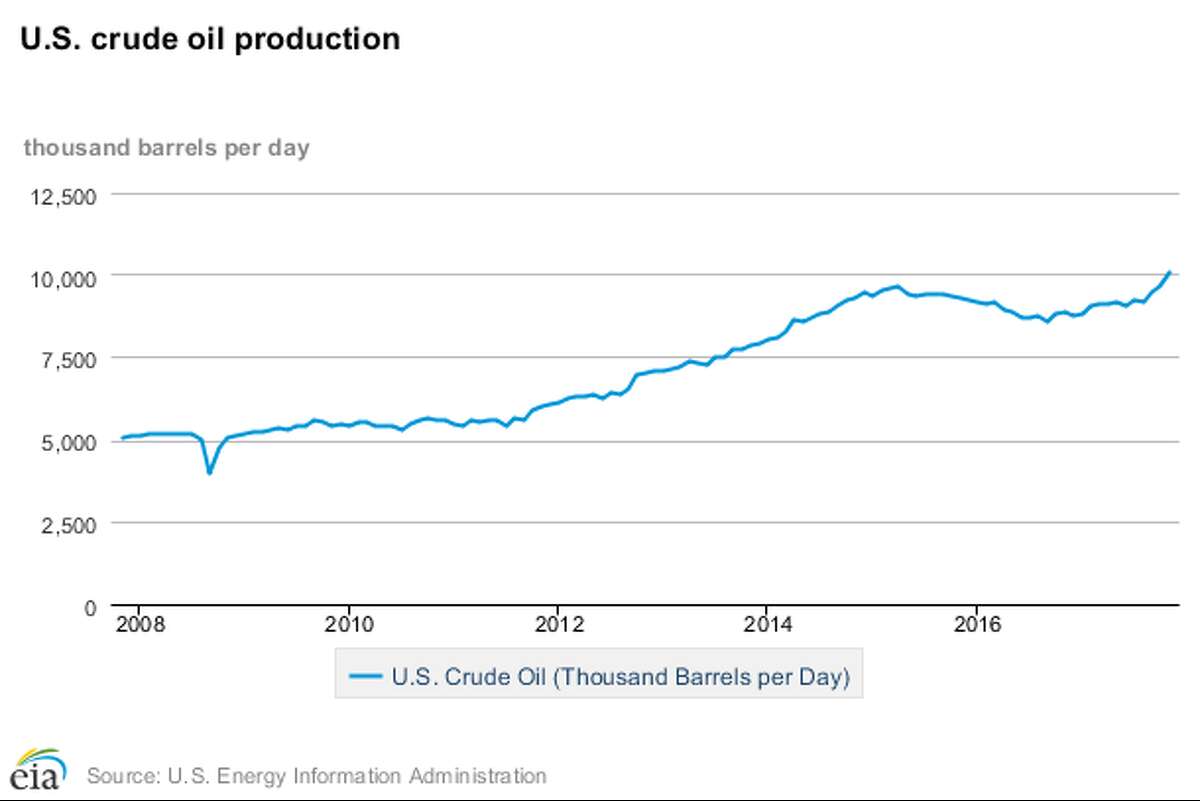
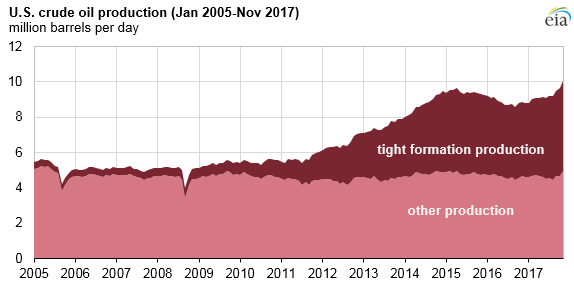
Good question! The top oil-producing countries are typically the United States, Saudi Arabia, and Russia. These giants have huge reserves and the infrastructure to extract massive amounts of oil. But many other countries contribute as well, from Canada to Iraq to Nigeria. It's a truly global industry.
Is it sustainable at this rate? That’s a topic for another day, but it's worth pondering. What are the alternatives? What's the impact on the environment? These are all crucial questions we need to consider as we continue to rely on this massive daily flow of oil.

Why Should We Care?
Because oil touches everything in our lives. From the gasoline in our cars to the plastics in our phones and computers, oil is a fundamental building block of modern society. Understanding the sheer scale of its production gives you a better appreciation for the energy challenges we face, and the importance of finding more sustainable solutions.
Understanding how much we produce helps us think critically about our consumption. Are there ways we can reduce our reliance on oil? Can we support the development of alternative energy sources? These are questions each of us can consider in our daily lives.
Think about your daily routine. How many things do you use that are made from or powered by oil? The answer might surprise you!
The Bottom Line
So, next time you fill up your car or see an oil tanker chugging along, remember that staggering figure: 90 to 100 million barrels of oil produced globally every single day. It’s a number that speaks volumes about our energy consumption and the need for a sustainable future. It's a number that, once you know it, changes the way you look at the world.
Pretty cool, huh?