
How Many Amps On 14 Gauge Wire
Hey there, curious mind! Ever plug in a new gadget, flip a switch, or even just wonder what makes your home hum with electrical energy? It’s all a bit of a mystery sometimes, isn't it? Well, today we’re going to pull back the curtain on one of those everyday wonders that can actually make your life a whole lot easier, safer, and dare I say… more fun! We're talking about wires, specifically the humble 14-gauge wire, and its super important secret: how many amps it can handle.
Now, don't let the technical talk scare you off. This isn't rocket science; it's more like understanding the speed limit on a really cool road trip. Knowing this stuff is like gaining a secret superpower for your home – one that helps you avoid tripped breakers, keeps your appliances happy, and even lets you tackle small home projects with newfound confidence. Seriously, how cool is that?
The Skinny on 14-Gauge Wire
First things first: what even is "14-gauge wire"? Good question! When we talk about wire gauge, we're basically talking about the thickness of the wire. Think of it like a straw – a wider straw lets more liquid through, right? Same principle with electrical wires: a thicker wire can safely carry more electricity (more amps). Fun fact: the smaller the gauge number, the thicker the wire. So, 10-gauge is thicker than 14-gauge, and 14-gauge is thicker than 16-gauge. Counterintuitive, I know, but you'll get the hang of it!
Must Read
The 14-gauge wire is a bit of a celebrity in the home wiring world. It’s incredibly common and used for all sorts of things, from your lighting circuits to outlets that power smaller appliances. Knowing its limits is like knowing the weight limit on your favorite rollercoaster – it ensures a smooth, safe, and exhilarating ride (or, in this case, a smoothly functioning, safe home!).
And The Magic Number Is... Amps!
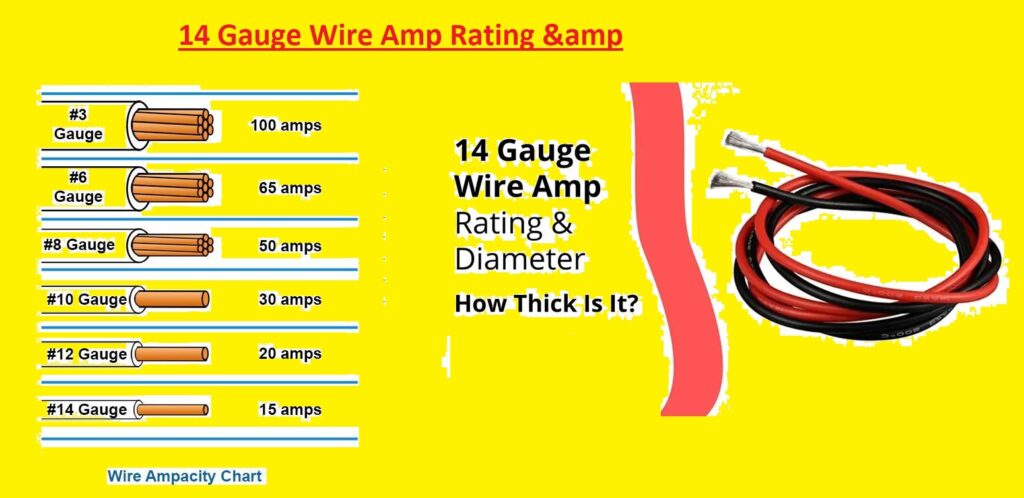
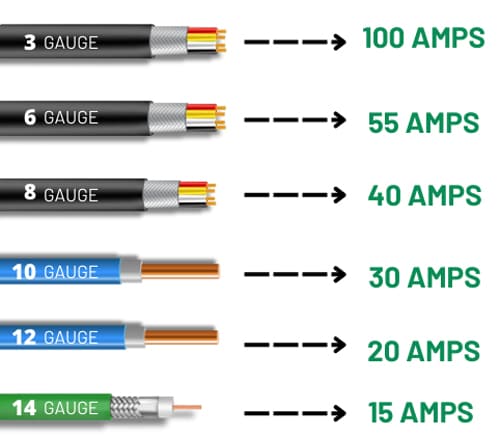
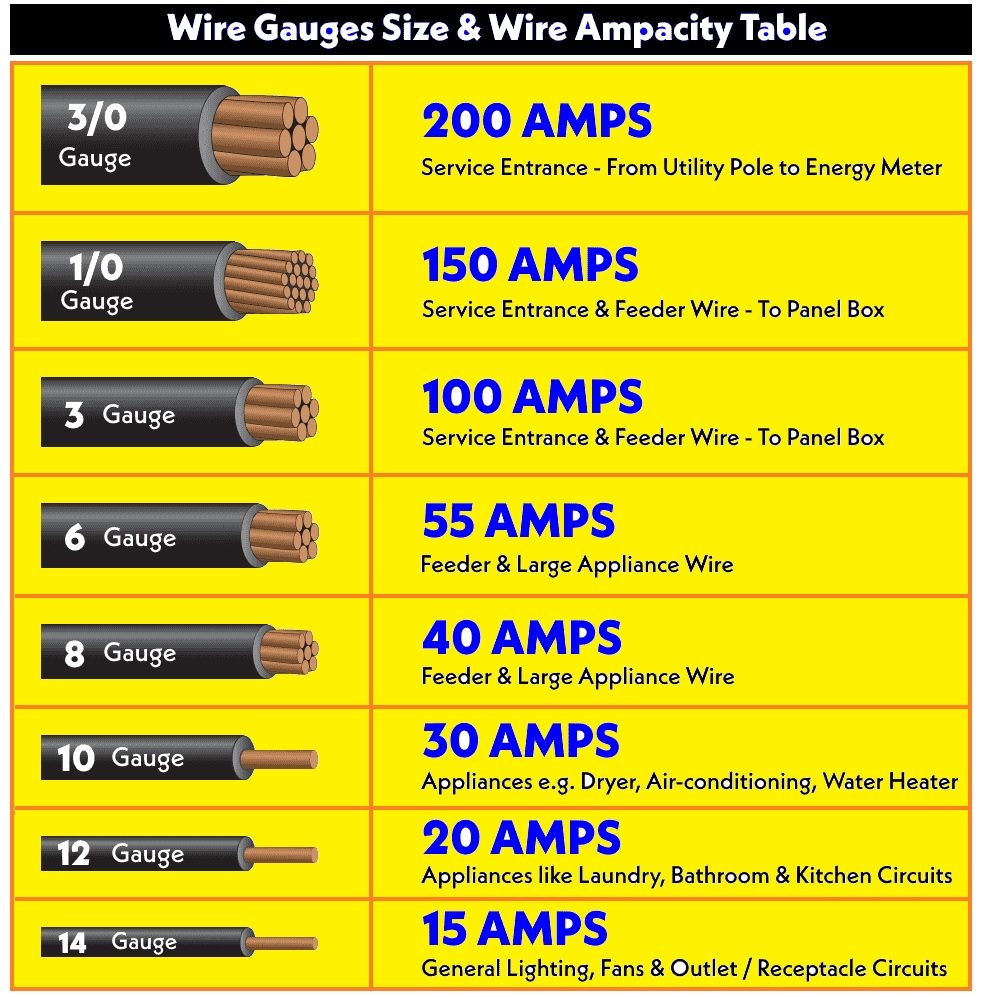
Alright, drumroll please! You're probably itching to know: how many amps can a 14-gauge wire actually handle? The answer, according to the wise folks who write the National Electrical Code (NEC) – which is basically the electrician's bible for safety – is generally 15 amps. Yes, that's it! Fifteen beautiful, powerful amps.

This 15-amp rating is your go-to number for most residential applications. It means that the circuit protected by a 14-gauge wire should ideally be paired with a 15-amp circuit breaker. Why? Because that breaker is designed to trip and cut power if you try to pull more than 15 amps through that wire, preventing it from overheating, melting, or causing a fire. See? Safety first, but also, efficiency and peace of mind!
Think of amps like the flow of electricity. If your 14-gauge wire is a narrow-ish garden hose, 15 amps is the perfect amount of water to flow through it safely. Try to push too much (say, a fire hose's worth of water) through that garden hose, and you've got problems – burst pipes, floods, general mayhem. Same deal with electricity. Overload a wire, and things get dicey. So, sticking to that 15-amp limit is not just a suggestion; it's a golden rule!
Why This Knowledge Is Your New Home Superpower
Okay, so you know 14-gauge wire is good for 15 amps. Big deal, right? Wrong! This little tidbit of knowledge is actually a game-changer! Here’s why:
- DIY Confidence: Ever wanted to install a new light fixture or replace an old outlet? Knowing that a 14-gauge wire is likely on a 15-amp circuit gives you a huge head start in understanding what kind of load that circuit can handle. It means you can confidently plug in your everyday lamps, charge your phone, and run a small vacuum without a second thought.
- Troubleshooting Whiz: Is your breaker tripping every time you plug in the toaster and the coffee maker? Now you have a clue! You might be trying to pull more than 15 amps on a 14-gauge circuit. Understanding this helps you rearrange your appliance usage or identify if you need a dedicated circuit for those power-hungry kitchen gadgets. You're basically becoming a home detective!
- Safety First (and Fun!): This knowledge helps you make safer decisions. You won't accidentally try to run your giant power saw off a delicate lighting circuit. And knowing you're operating safely? That's the ultimate stress-reducer, leaving you more energy for the fun stuff in life!
- Empowerment: There's something incredibly satisfying about understanding how your home works. You're no longer just a passive user; you're an informed participant, capable of making smart choices about your electrical systems. That's empowering!
Ready to Plug Into More Knowledge?
While 15 amps is the general rule, remember that electricity can be a complex beast with many variables (like temperature, how many wires are bundled together, etc.). Always double-check local codes and, when in doubt, call a qualified electrician. This article is meant to spark your curiosity, not replace professional advice!
So, there you have it! The seemingly mundane topic of wire gauge and amps turns out to be a key to unlocking a more efficient, safer, and ultimately more enjoyable home life. Knowing that your 14-gauge wire can safely handle 15 amps isn't just a fact; it's an invitation to understand the world around you a little better, to troubleshoot with confidence, and to feel empowered in your own space.
Isn't it amazing how much power (pun intended!) a little bit of knowledge can give you? Go forth, explore, and keep that curious spark alive. Your home, and your inner DIY superhero, will thank you for it!
