How Many Amps Is A Wall Outlet

Ever found yourself staring at a wall outlet, perhaps contemplating the invisible magic that powers our world? It’s a pretty common moment of everyday wonder! We plug in our phones, charge our laptops, brew coffee, and toast bread without a second thought. But have you ever stopped to wonder, "How many amps is a wall outlet, anyway?" It might sound like a super technical question, but understanding a little bit about it is actually pretty fun and surprisingly useful for navigating our tech-filled lives safely and efficiently.
At its heart, knowing about amps helps us understand the flow of electricity – think of it like the volume of water moving through a pipe. A typical wall outlet in most homes in North America is designed to safely provide either 15 amps (15A) or, less commonly but still present, 20 amps (20A). This rating isn't just a random number; it's a critical safety feature. Its main purpose is to ensure that the electrical wiring in your walls doesn't get overloaded. If too much electricity tries to flow through wires that aren't designed for it, they can overheat, which is a serious fire hazard. So, these amp ratings are essentially your home's built-in safety limits, designed to keep everything running smoothly and, most importantly, safely.
So, how does this play out in your daily life? Imagine you're getting ready in the morning. You might plug in a hair dryer (which can draw a lot of power), an electric kettle (another high-power item), and a toaster, all onto the same circuit. If the combined power draw of these devices exceeds the outlet's (and the circuit breaker's) amp limit, your circuit breaker will "trip" – effectively shutting off the power to prevent an overload. This is a brilliant safety mechanism in action! In an educational context, understanding amps helps us grasp the fundamental principles of home wiring, the ratings on power strips (which also have amp limits!), and even why some larger appliances require dedicated circuits. It empowers you to be a more informed consumer, understanding why a tiny phone charger is very different from a powerful microwave in terms of electrical demand.
Must Read
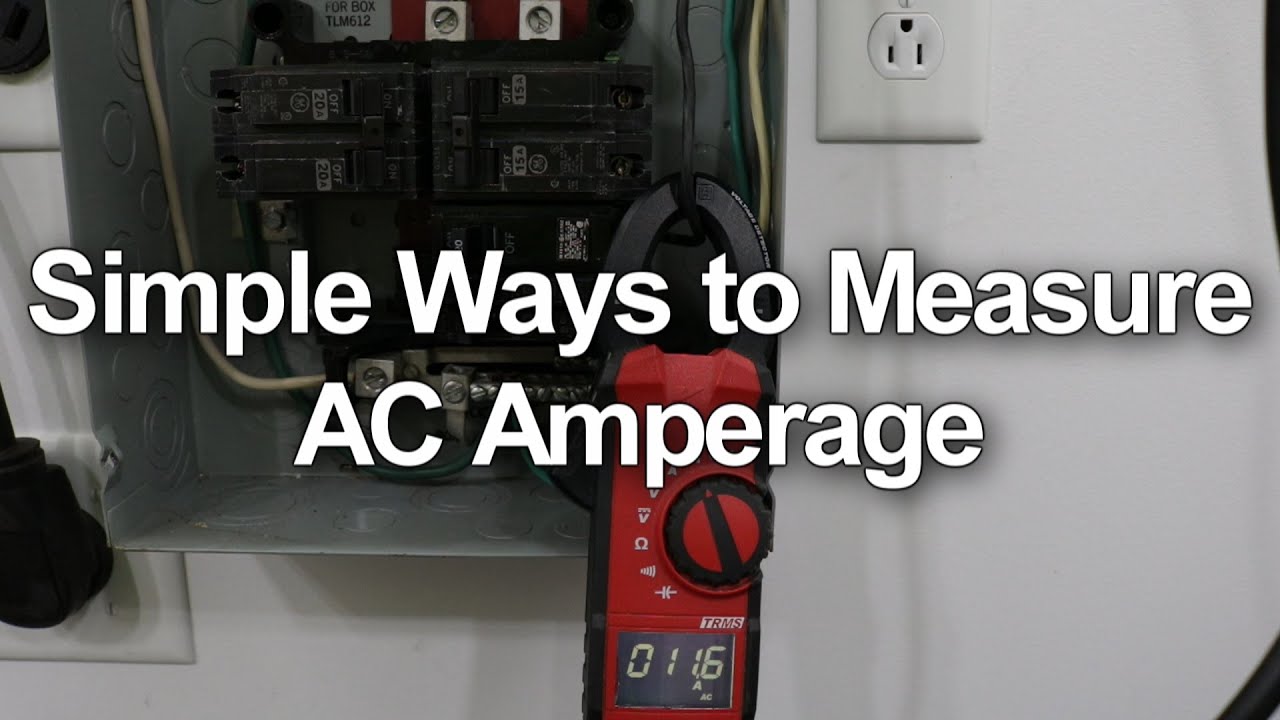
Curious to explore this a bit more? There are simple ways to become an everyday electrical detective! First, take a look at your circuit breaker panel. Each switch is usually labeled with the amp rating for that circuit (e.g., "15A" or "20A"). This tells you the maximum flow for everything plugged into outlets on that circuit. Second, check the labels on your appliances. Many devices will list their power draw in watts (W) or amps (A). If it's in watts, you can do a quick mental calculation: divide the watts by your home's voltage (typically 120 volts in North America) to get the amps (e.g., 1800W / 120V = 15A). Third, consider investing in an inexpensive outlet tester. These simple gadgets plug into an outlet and can confirm if it's wired correctly and sometimes even indicate if it's a 15A or 20A circuit, offering a deeper peek into your home's electrical hidden world. Remember, while it's fun to explore, always respect electricity. For any real wiring work or doubts, it's always best to call a qualified electrician!
:max_bytes(150000):strip_icc()/Electrical-code-for-outlets-1821513_color-8f7918755f194def8d0197088306df5f.jpg)