
How Many Amps Is A 1000 Watts

Ever marveled at the dazzling glow of an intricate LED art installation, the satisfying hum of a 3D printer bringing a digital dream to life, or the robust power of a workshop tool shaping raw materials into something beautiful? Behind every flicker, whir, and carve lies a fundamental understanding of electricity – not some arcane wizardry, but a surprisingly accessible secret that empowers creators of all kinds. Today, we're demystifying a cornerstone of this electrical enlightenment: how many amps a 1000 watts truly is, and why knowing this can unlock a whole new world of creative confidence!
At its heart, understanding the relationship between watts and amps is about managing the flow of electrical energy. Think of it like water: volts are the water pressure, amps are the flow rate (how much water is moving), and watts are the total power being delivered (how much work that water can do). So, for our burning question – "How Many Amps Is A 1000 Watts?" – the answer isn't a single number, because it playfully depends on one crucial factor: the voltage of your power supply.
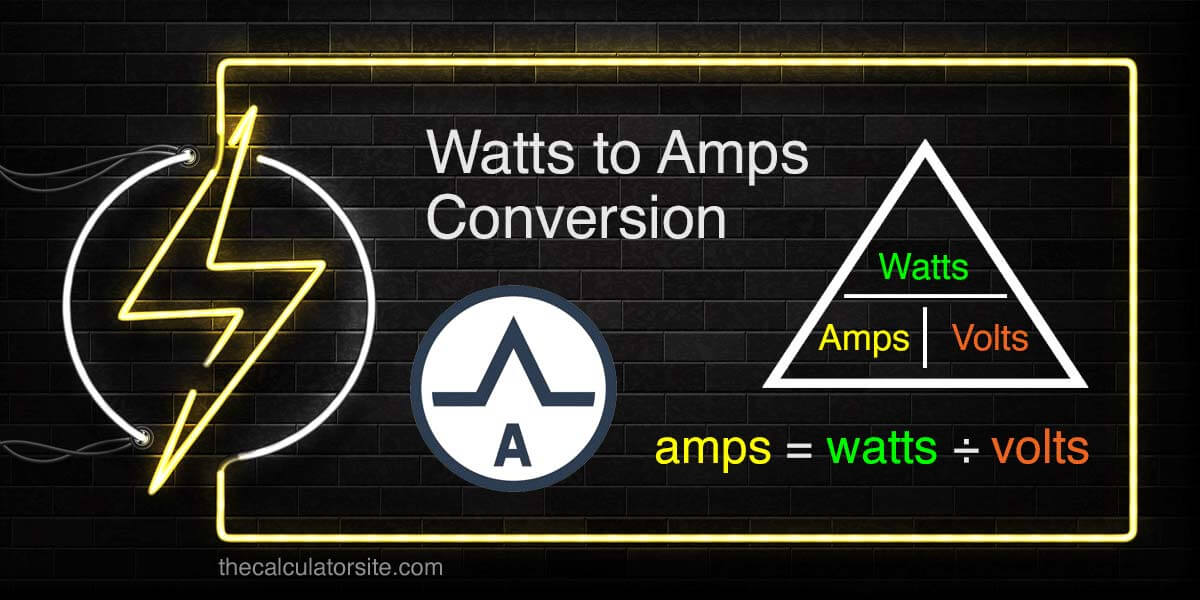
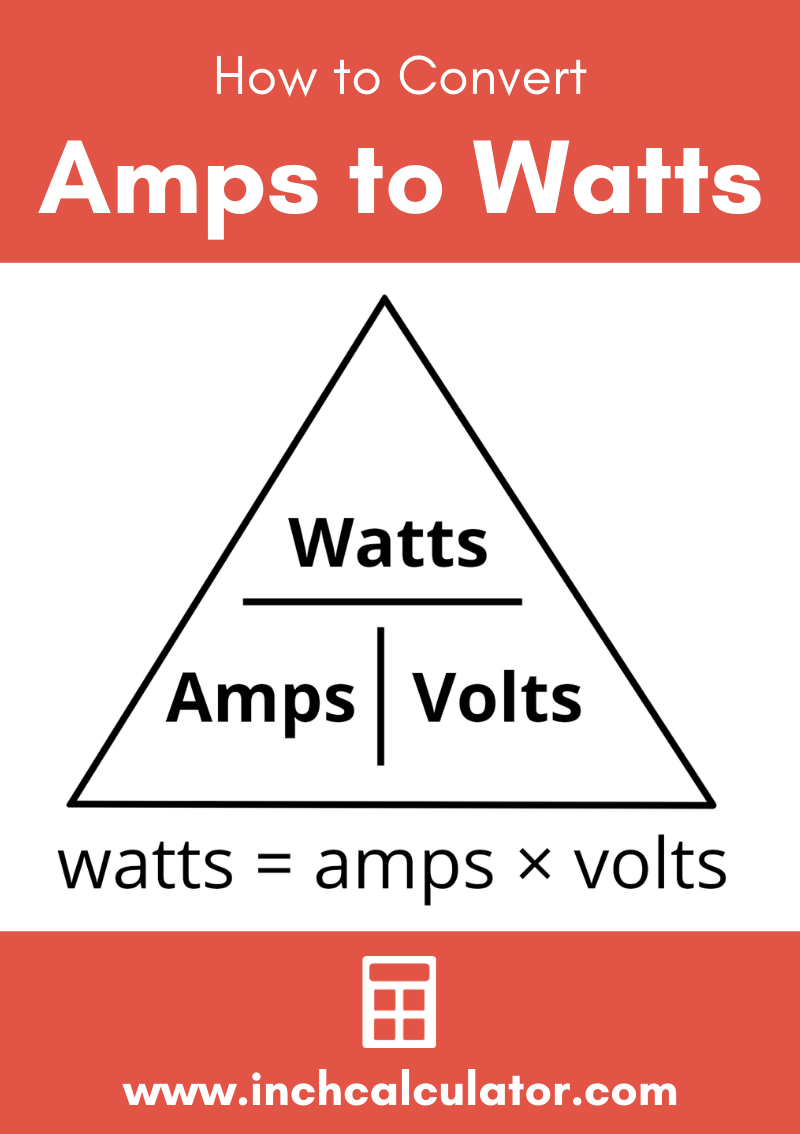
The magic formula is beautifully simple: Watts = Volts x Amps. So, to find the amps, you just rearrange it to Amps = Watts / Volts. Let's plug in our 1000 watts:
Must Read
- If you're in North America, where household voltage is typically around 120 Volts: A 1000-watt device would draw approximately 1000W / 120V = 8.33 Amps.
- In many other parts of the world, like Europe, where voltage is often 230 Volts: A 1000-watt device would draw about 1000W / 230V = 4.35 Amps.
See? It's not scary math, but a handy calculation that instantly puts you in charge!
Why is this little piece of electrical wisdom a goldmine for artists, hobbyists, and casual learners? It's all about empowerment and safety. For the artist planning a grand light display, knowing the amperage helps you pick the right power supply and prevents overloading circuits during your exhibition. For the avid hobbyist building a new workshop or setting up a robust 3D printing station, understanding these numbers means you can run your tools without fear of constantly tripping a breaker or, worse, causing an electrical hazard. Even for the casual learner, it helps you understand why some appliances draw more power and how to manage your home's energy usage more intelligently.
Consider the examples: Imagine you're building an intricate sculpture with a powerful soldering iron (let's say 200W) and an array of task lights (another 300W), plus a small fan (50W). That's a total of 550W. Knowing your workshop circuit can handle, say, 15 amps at 120V (1800W total), you immediately know you're well within safe limits. Or maybe you're designing a portable camping setup with a 1000W inverter; understanding the amp draw helps you calculate how long your battery bank will last. This knowledge transforms you from a cautious user to a confident creator, ready to tackle ambitious projects.
Ready to try this at home? Here are a few tips:
- Check Appliance Labels: Most devices clearly state their wattage (W) and sometimes their amperage (A) and voltage (V). It's a treasure map of information!
- Know Your Voltage: Be aware of your local standard voltage (e.g., 120V, 230V).
- Use Online Calculators: Quick web searches for "Watts to Amps calculator" can do the math for you in a flash.
- Start Simple: Begin by calculating the amp draw of everyday items like a hairdryer, a coffee maker, or a lamp.
- Safety First: For any complex wiring or doubt, always consult a qualified electrician. Your safety is paramount!
Ultimately, learning about watts and amps isn't just about formulas; it's about gaining a quiet confidence. It's the joy of knowing you can bring your most ambitious projects to life safely and efficiently. It’s the empowerment to innovate, create, and experiment without the nagging worry of electrical mishaps. So go forth, curious creator, embrace the power of knowledge, and let your understanding of amps and watts illuminate your next brilliant idea!

