How Many Amps In A 9v Battery
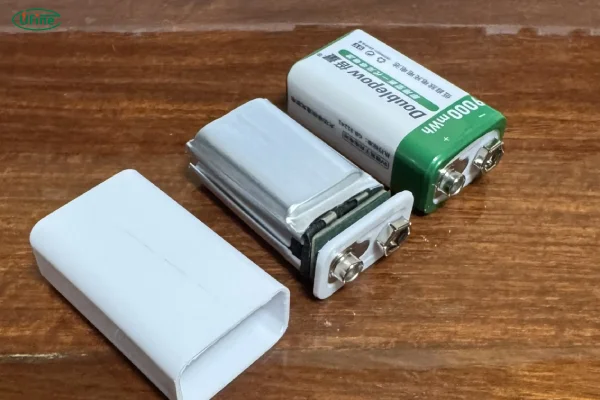
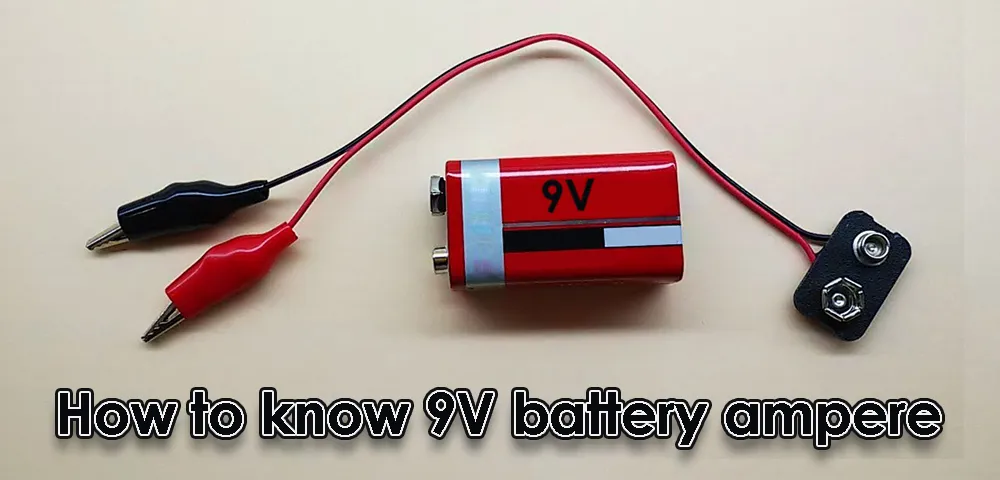
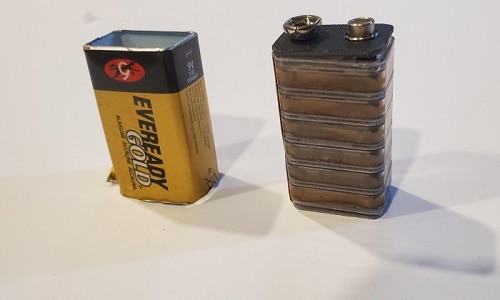
Ever found yourself staring at that familiar rectangular prism, the ubiquitous 9V battery, perhaps while swapping it out of a smoke detector or hooking it up to a guitar pedal? There's a certain curiosity that sparks when we interact with these everyday power sources. We know they deliver 9 volts of potential, but what about the "amps"? It's a question many ponder, often because understanding these tiny electrical powerhouses helps us make sense of the gadgets that hum and beep all around us.
This pursuit of knowledge isn't just for electronics enthusiasts. Understanding how batteries work serves a vital purpose in our everyday lives. For starters, it’s invaluable for
The 9V battery is a true workhorse, powering a surprising array of devices. Beyond the obvious smoke detectors, you'll find them in many older walkie-talkies, small transistor radios, and a myriad of test equipment like multimeters. Musicians often rely on them to energize their beloved guitar pedals, providing clean, consistent power for everything from fuzz to delay. These examples highlight the 9V battery's role in powering devices where portability, decent voltage, and moderate power draw are key considerations.
Must Read
Now, let's tackle the burning question: How many amps are in a 9V battery? Here's the kicker – it's a bit of a trick question! A 9V battery doesn't store amps in the same way it stores voltage. Instead, it has a certain capacity to deliver current (measured in amps or, more commonly for small batteries, milliamps) over time. Think of it like a water tap: it has a certain water pressure (volts), but the amount of water flowing out per second (amps) depends on how wide open you turn the tap and what you're trying to fill (the
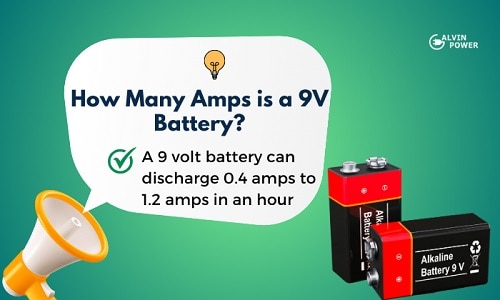
The true measure of a battery's capacity is its Milliamp-hours (mAh). A typical alkaline 9V battery might have a capacity anywhere from 400 to 600 mAh. This means it can theoretically supply 400-600 milliamps (0.4 to 0.6 amps) for one hour, or 40-60 milliamps for ten hours, and so on. The actual current (amps) drawn from the battery is determined by the resistance of the device it's powering, following a simplified version of Ohm's Law (Current = Voltage / Resistance). So, a smoke detector draws a tiny trickle of current (often just microamps), allowing the battery to last for years, while a hungry guitar pedal might draw tens of milliamps, draining the battery much faster.
To enjoy and understand your 9V batteries more effectively, here are some practical tips. Firstly, stop fixating on "amps stored" and instead focus on the battery's
Finally, don't be afraid to satisfy your curiosity! A simple multimeter can allow you to safely measure the actual current draw of small devices, giving you a real-world understanding of how those amps flow. By grasping these fundamental concepts, you're not just understanding a battery; you're taking a step towards demystifying the wonderful world of electronics, one 9V marvel at a time.