How Many Amps For A Light Bulb
Ever flick a light switch and wonder what magic makes the darkness disappear? We all use light bulbs every day, but have you ever paused to think about the invisible electrical currents powering them? It might sound like a technical deep dive only for electricians, but understanding a little about "amps" and your light bulbs is actually super useful, a little bit fun, and can even help you save money! It’s like peeking behind the curtain of your home’s electrical stage – no special degree required, just a dash of curiosity.
So, let's tackle the burning question: How many amps does a light bulb draw? First, a quick demystification. When we talk about electricity, think of it like water flowing through pipes. Volts are the water pressure, pushing the water along. Amps (short for amperes) are the actual volume of water flowing through the pipe – the current. And Watts? That's the power the water delivers, like how strong the stream is from a faucet. A light bulb's wattage (like 60W or 100W) tells you how much power it consumes to produce light.
The beauty is, there's a simple relationship that ties these together: Watts = Volts x Amps. This means if you know a light bulb's wattage and your home's voltage (which is usually around 120V in North America or 230V in many other parts of the world), you can easily figure out the amperage! Just rearrange the formula: Amps = Watts / Volts. Pretty neat, right?
Must Read
Let's run some numbers to see this in action. Imagine a traditional, old-school incandescent 60-watt light bulb in a North American home (120V):

- Amps = 60 Watts / 120 Volts = 0.5 Amps
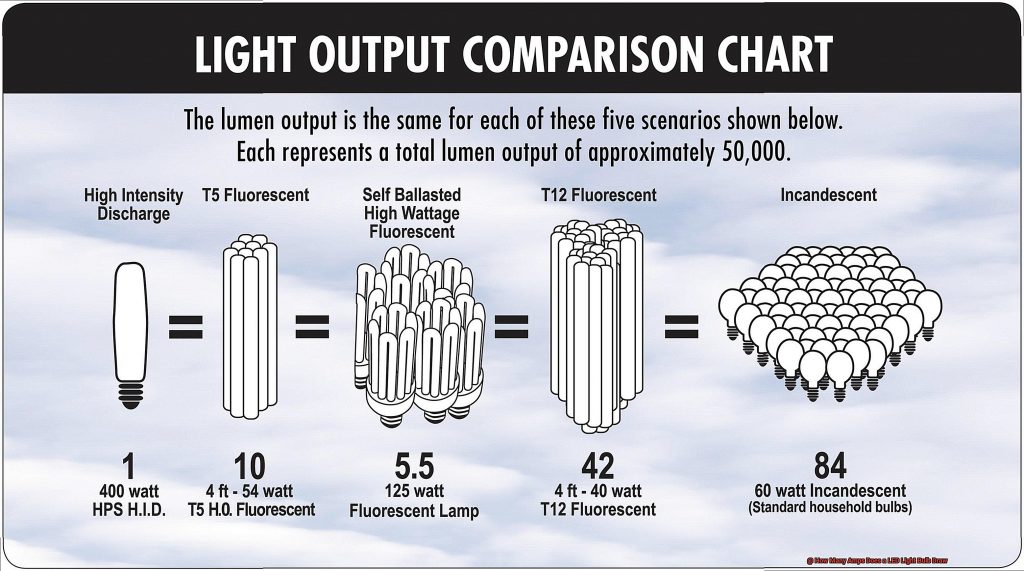
That's half an amp. Not a huge amount, but it adds up! Now, consider a modern, energy-efficient LED light bulb that gives off the same amount of light but only uses, say, 9 watts:
- Amps = 9 Watts / 120 Volts = 0.075 Amps
See that? A tiny fraction of an amp! This striking difference is why swapping out old incandescent bulbs for LEDs is such a popular move – less amperage means less electricity used, which translates to lower electricity bills and a lighter footprint on the planet.
So, why is knowing this little tidbit useful? It's not just for trivia night! Firstly, it ties directly into energy efficiency. Understanding that LEDs draw significantly fewer amps helps you make smarter choices for your home and wallet. Secondly, it's about safety. Your home's electrical circuits are designed to handle a certain total amount of amperage. Overload a circuit with too many high-amp devices, and you'll trip a circuit breaker, plunging you into darkness (or worse, creating a fire hazard). While a single light bulb won't usually cause this, knowing how much current various devices draw helps you distribute them safely across different outlets and circuits, especially during holiday decorating or when setting up a workshop.
In essence, light bulbs typically draw only a small amount of current individually. But collectively, and especially when we consider other household appliances, those amps add up. A basic grasp of amps, watts, and volts empowers you to make more informed decisions about your home's electricity, helping you save money, stay safe, and appreciate the hidden power behind every flick of a switch. So next time you turn on a light, you'll know a little secret about the electricity flowing through it – and that's pretty cool!