How Many Amps For 18 Gauge Wire

Ever found yourself staring at a tangle of wires, wondering if the skinny one is up to the job? Or perhaps you're setting up some new LED lights, a sound system, or fixing a gadget, and you hit a snag when it comes to connecting everything. That's where understanding wire gauges, like the humble 18 gauge, becomes not just useful, but actually a bit of a superpower! It’s all about getting the right amount of electricity (amps) safely from point A to point B without overheating your wires or blowing a fuse. It might sound technical, but it's a fundamental concept that empowers you to tackle countless small projects with confidence.
For beginners, wrapping your head around wire gauges like 18 AWG (American Wire Gauge) means you can choose the correct cable for your simple DIY projects, like wiring up a doorbell or a small low-voltage lighting system. No more guessing games or accidentally frying your new toy! For families, this knowledge translates directly into safety. Imagine knowing you're using the appropriate extension cord for your holiday lights, or that the speaker wire for your home entertainment system won't overheat. It helps prevent potential hazards and ensures your electronics run smoothly and reliably. And for the eager hobbyists – whether you're into model trains, custom PC builds, or robotics – understanding how many amps an 18 gauge wire can handle is crucial for powering your creations efficiently and safely, ensuring your projects come to life exactly as you envisioned.
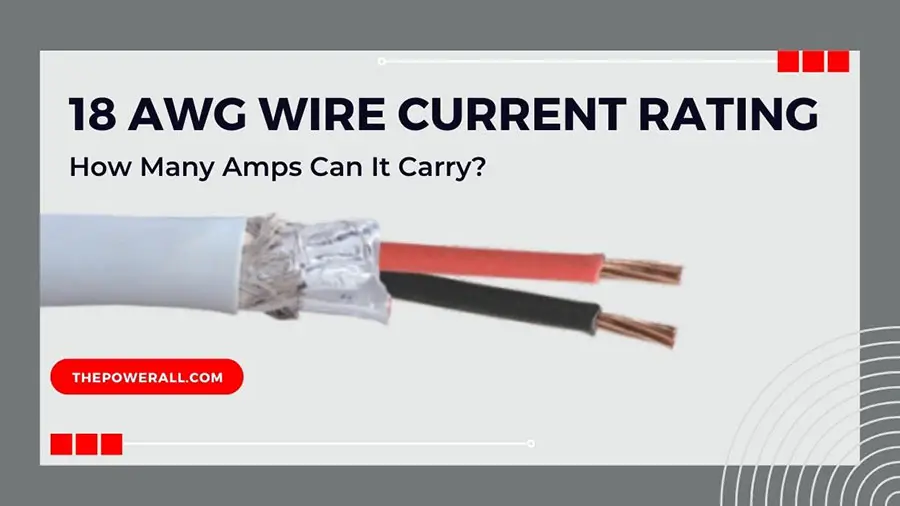
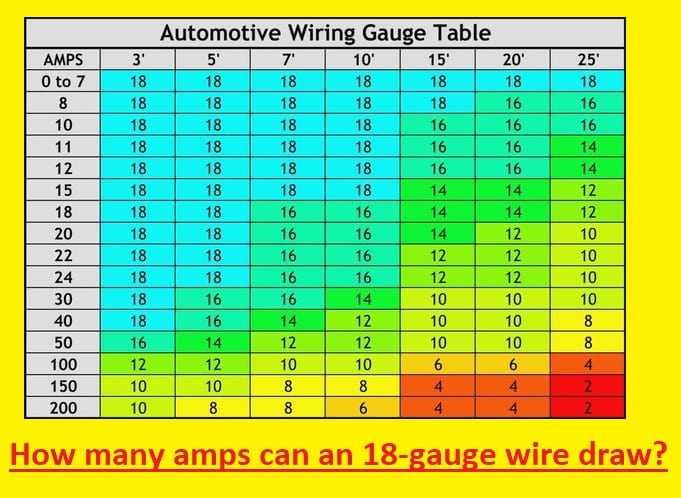
So, let's talk about the star of our show: 18 gauge wire. This wire is fairly thin, about the diameter of a paperclip wire. What does it typically handle? For everyday, practical use in low-voltage applications, you'll often find 18 gauge wire safely handling around 5 to 7 amps for continuous current. Think small electronics, certain types of speaker wire, low-power LED strips, doorbell wiring, or DC power cords for devices like routers or small chargers. It's fantastic for these kinds of tasks because it's flexible and easy to work with. However, it’s crucial to understand that this isn't a hard and fast rule set in stone. Factors like the wire's insulation type, whether it's bundled with other wires, the ambient temperature, and the length of the run can all influence its actual safe current capacity. For very short runs or intermittent (non-continuous) power, some charts might show it capable of carrying more, perhaps up to 10-14 amps, but for general use and safety, it's always best to be conservative. You definitely wouldn't want to use 18 gauge wire for high-power appliances like a microwave or a space heater; those need much thicker cables!
Must Read
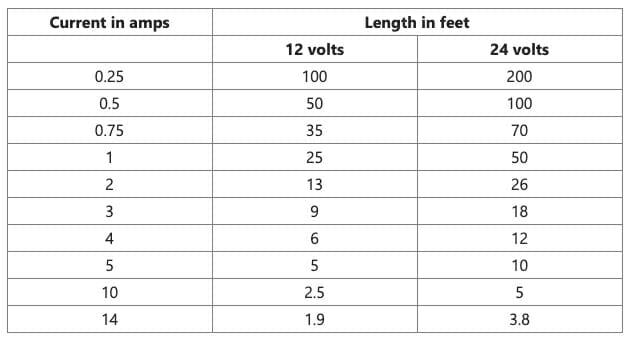
Ready to put this knowledge into action? Here are a few simple tips to get you started. First, always check the power requirements (amps or watts) of the device you're connecting. If it says 60 watts at 12 volts, that's 5 amps (Watts ÷ Volts = Amps). Second, when in doubt, go thicker. A 16 gauge wire (which is thicker than 18 gauge) will always be a safer bet if you're unsure, as thicker wires have lower resistance and can handle more current. Third, remember that longer wires lose more power as heat; if your run is very long, you might need a thicker wire than initially expected. Finally, look for quality wires with UL or ETL ratings, which indicate they meet safety standards. Don't just grab the cheapest wire you can find!
Understanding "How Many Amps For 18 Gauge Wire" is more than just a technical tidbit; it's a step towards becoming a more confident and capable DIYer. It empowers you to tackle projects safely, efficiently, and with the satisfaction of knowing you’ve got the right stuff for the job. So go ahead, plug in, connect, and enjoy the fruits of your newfound electrical wisdom!