
How Many Amps Does An Rv Ac Use

Your RV AC and Amps: The Cool Story!
Alright, fellow wanderers and aspiring road-trippers, let's talk about something that might sound a little... technical, but trust me, it’s going to make your RV life a whole lot cooler, literally! We're diving into the wonderful world of how many amps your RV air conditioner actually uses. And no, this isn’t a dry lecture; this is your ticket to uninterrupted comfort and more epic adventures!
Picture this: You’ve just parked your RV in a sunny spot, the kids are ready for a nap, or maybe you’re just craving that post-hike chill. You flick on the AC, and a wave of cool air promises blissful relief. Ahh, perfection! But have you ever paused to wonder what’s happening behind the scenes? What kind of electrical magic is keeping you frosty?
Understanding your RV AC's amperage isn’t just for the tech gurus; it’s for everyone who loves their RV. It's the secret sauce to avoiding tripped breakers, making the most of your generator, and even extending your boondocking bliss. Ready to become an amp-savvy superstar? Let’s go!
Must Read
Why Amps Are Your New Best Friend
Think of amps like the "oomph" or "power draw" your AC needs. Every electrical device has a hunger for amps, and your RV's electrical system (whether it's hooked up to shore power, a generator, or your battery bank via an inverter) has a limit to how much "oomph" it can provide. Exceed that limit, and poof! — you trip a breaker. Not exactly fun, right?
Knowing your AC's amp draw means you can:
- Stay cool without the oopsie: No more embarrassing trips to the campground pedestal to reset a breaker!
- Boondock like a pro: Confidently manage your battery power and generator run times.
- Choose the right gear: Pick the perfect size generator or understand your shore power limitations.
See? This isn't just numbers; it's about freedom and peace of mind!
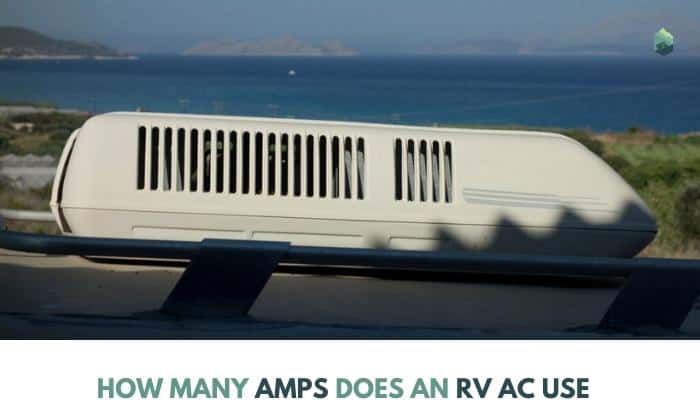
The Big Reveal: Typical RV AC Amperage
Okay, let’s get down to the nitty-gritty, but we’ll keep it light! Most RVs come equipped with either a 13,500 BTU (British Thermal Unit) or a 15,000 BTU air conditioner. BTU is just a fancy way of saying "how much cooling power it has." The higher the BTU, generally, the more amps it needs.
Here’s the fascinating part: an AC unit has two main amp draws you need to know about:
1. Starting Amps (LRA - Locked Rotor Amps): This is the initial burst of power your AC needs when it first kicks on. Think of it like a giant stretching and yawning after a long nap – it takes a lot of energy for that first big move! This burst is momentary, lasting only a fraction of a second, but it's often 3 to 5 times higher than its running amps.
2. Running Amps (RLA - Rated Load Amps): This is the steady, continuous power your AC draws once it’s up and running smoothly. This is the number you'll be dealing with most of the time.
Let's Talk Numbers (Roughly!)
For a typical 13,500 BTU RV AC unit:
- Running Amps: You're usually looking at around 12 to 15 amps.
- Starting Amps: This can spike up to 40 to 60 amps for a split second! Whoa!
And for a heftier 15,000 BTU RV AC unit:
- Running Amps: Expect somewhere between 15 to 20 amps.
- Starting Amps: Hold onto your hats – these can hit 60 to 80 amps momentarily!
Keep in mind, these are averages! Factors like the age of your unit, ambient temperature, and even the voltage supplied can cause slight variations. But these numbers give you a fantastic baseline!

Amps + Awesome RVing = Unstoppable Fun!
So, now you know the difference between starting and running amps. How does this make your RV life more awesome? Let me count the ways!
Generator Guru
If you love to boondock or camp off-grid, you probably rely on a generator. Knowing those high starting amps helps you pick the right size generator. A 2,000-watt inverter generator, for example, might handle your AC’s running amps (especially if it’s a 13.5k BTU unit), but it could struggle or even trip when the AC tries to start if other appliances are running. This knowledge is pure gold for generator users!
Shore Power Superstar
Camping at a 30-amp site? Great! But remember, that 30-amp limit is for everything running in your RV. Your AC might use 15-20 amps to run, leaving you about 10-15 amps for your microwave, coffee maker, and other gadgets. Knowing this helps you juggle your power usage like a pro, avoiding those annoying breaker trips. On a 50-amp site? You've got more wiggle room, but it's still good to know your AC's draw!

The Magic of Soft Start Kits
Feeling a bit overwhelmed by those high starting amps? Enter the hero of RV power management: the soft start kit! This clever device is installed on your AC unit and dramatically reduces those initial starting amp spikes. It allows your AC to "sip" power gently when it first starts, instead of guzzling it down. This means you can often run your AC on smaller generators, or even with a robust inverter setup for off-grid cooling. It's like giving your AC a smooth, graceful wake-up call instead of a jarring alarm!
Your RV Journey, Electrified!
See? This isn't just about technical jargon. It's about empowering you to be a more confident, capable, and comfortable RVer. Understanding how many amps your RV AC uses opens up a world of possibilities, from serene boondocking adventures to perfectly chilled campground stays.
So, the next time you hear that familiar hum of your AC kicking in, you won't just hear the cool air; you'll hear the sound of freedom, knowledge, and smart adventuring. Don't let a little electricity intimidate you! Embrace the learning, ask questions, and discover how this seemingly small detail can make your next RV trip even more unforgettable.
Go forth, learn more, and keep those RV adventures brilliantly cool!