How Many Amps Does A Stove Use

Ever paused in front of your magnificent oven, ready to whip up a culinary masterpiece, and wondered about the invisible force making it all happen? We often take our kitchen appliances for granted, but behind every perfectly roasted chicken or freshly baked pie is a fascinating world of electricity. Understanding "how many amps does a stove use" might sound like a question only an electrician would ponder, but trust us, it's actually super useful and surprisingly empowering knowledge for any homeowner or aspiring chef!
Why bother with amps? Well, it's not just about impressing your dinner guests with electrical trivia. This knowledge is crucial for several reasons. Firstly, it’s about safety. Knowing your stove's power demands helps you avoid pesky tripped circuit breakers – that sudden darkness when you're mid-bake is never fun! It also ensures you understand why a standard wall outlet just won't cut it for your oven. Secondly, if you're planning a kitchen renovation, buying a new appliance, or just trying to figure out why certain things work (or don't work) in your home, this information is golden. It helps you appreciate the sophisticated electrical system that keeps your household humming along.
So, let's get down to the juicy bits: How many amps does an electric stove actually use? Here's the big takeaway: electric ranges are generally the biggest power consumers in most homes, aside from central air conditioning or electric water heaters. Unlike smaller appliances that plug into standard 120-volt outlets, electric stoves require a dedicated, higher-voltage circuit – typically 240 volts. This "double" voltage allows them to draw more power efficiently.
Must Read
The amperage for a full-size electric stove or range can vary, but most modern units typically require a circuit rated for anywhere from 20 to 50 amps. For a full-featured electric range, you'll most commonly find it drawing enough power to require a 40-amp or even a 50-amp circuit. Why the range? Features! Self-cleaning functions, convection ovens, multiple powerful burners, and warming drawers all contribute to the overall electrical demand. A basic four-burner stove without many bells and whistles might lean towards the lower end, while a high-end model with all the gourmet features will be closer to the 50-amp mark.
How can you find out the precise amperage for your specific stove? The best place to look is the appliance's data plate or label, usually located on the back, inside the storage drawer, or around the oven door frame. Your owner's manual will also list this vital information. Sometimes, the label will show the wattage (W) instead of amps. No problem! You can easily calculate it using a simple formula: Amps = Watts / Volts. For example, a 10,000-watt stove on a 240-volt circuit would draw approximately 41.6 amps, meaning it needs a 50-amp breaker.
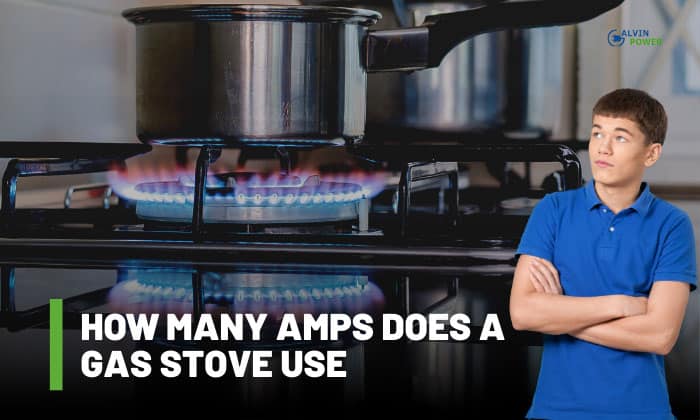
And a quick note for those with gas stoves: While they use gas for heating, they still require a small amount of electricity for things like the electronic igniter, oven light, and clock. This usually means they can plug into a standard 15-amp or 20-amp 120-volt outlet – a much lower draw than their electric counterparts!
There you have it! Understanding your stove's electrical hunger isn't just a technical detail; it's a step towards being a more informed and safer homeowner. While this guide provides a great overview, remember that electricity can be dangerous. If you're ever in doubt about your home's wiring or appliance requirements, always consult a qualified electrician. Happy cooking!