
How Many Amps Does A Fridge Take

Alright, let's talk about something incredibly cool, yet often overlooked, hiding right in your kitchen: your fridge! Ever stood in front of it, contemplating a midnight snack, and wondered about the invisible magic keeping your ice cream perfectly frozen and your veggies crisp? Well, today, we're diving into that magic, specifically, how many amps does a fridge take. And trust me, it's not just for electricians; this little nugget of knowledge can make your life surprisingly more fun!
Why Should You Care About Fridge Amps? (Besides Being a Super Spy of Science!)
Okay, I know what you're thinking. "Amps? Really?" But hear me out! Understanding amps is like having a secret superpower for your home. It’s not just about wires and circuits; it’s about empowerment, saving money, and even a little bit of home detective work. Imagine being the hero who knows why the breaker tripped, or the savvy shopper who picks the most energy-efficient appliance. That’s you, my friend, armed with amp knowledge!
Firstly, it's about your wallet. Appliances consume electricity, and that costs money. Knowing how much juice your fridge sips (or guzzles) helps you understand your energy bill. Secondly, it's about safety and circuit management. Ever plugged in a toaster, a blender, and then tried to run the microwave, only to hear that ominous thunk as the power goes out? Understanding amps helps you avoid those mini-disasters and keeps your home running smoothly.
Must Read
The Nitty-Gritty (But Still Fun) of Amps
So, what exactly is an "amp"? Think of electricity like water flowing through a pipe. The volts are the pressure pushing the water, and the amps are the volume of water flowing. Your fridge needs a certain "flow" of electricity to do its job. It's that simple! We often talk about watts too, which is the total power (volts x amps), but for practical circuit loading, amps are often our go-to.
Now, for the big reveal: how many amps does a fridge actually take? Typically, a modern household refrigerator, when it's just running normally, will draw anywhere from 3 to 6 amps. But here's the fun twist: when it first kicks on (especially the compressor), it can have a much higher "surge" or "starting" amperage, sometimes hitting 15-20 amps momentarily. Don't panic! It's just a quick burst of energy to get things going, like you might sprint at the start of a race before settling into a jog.
This starting surge is why it's a good idea to have your fridge on its own dedicated circuit if possible, or at least not sharing a circuit with other high-draw appliances. Your circuit breaker is designed to handle a certain total amp load (often 15 or 20 amps for a standard home circuit), and if you exceed it, poof, it trips to protect your wiring.
What Influences Your Fridge's Amp Habits?
Not all fridges are created equal, and their amp draw can vary based on a few cool factors:

- Age Matters: Older fridges are often less energy-efficient. They might draw more amps simply because their technology isn't as optimized. Your grandma's avocado-green beauty might be charming, but it's probably a power hog!
- Size and Type: A compact mini-fridge for your dorm room will naturally take fewer amps than a massive, side-by-side smart fridge with an ice maker, water dispenser, and built-in tablet. More features usually mean more power needed.
- Temperature Outside (and Inside!): If it's a scorching summer day and your kitchen is roasting, your fridge has to work harder to stay cool, meaning it will cycle on more often and potentially draw more amps. The same goes for how full it is or how often you open the door – every peek costs a tiny bit of energy!
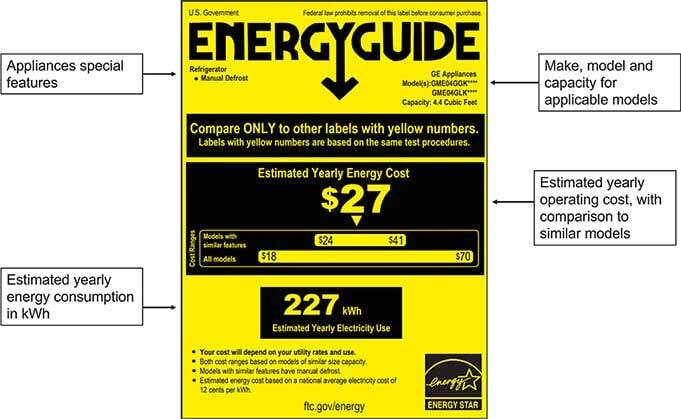
- Energy Efficiency Rating: This is where labels like "Energy Star" come in. These appliances are designed to do more with less, drawing fewer amps and saving you money in the long run.
Become a Fridge Detective: Find Your Amps!
Want to know exactly how many amps your specific fridge takes? Grab your magnifying glass (or just your phone flashlight!) and look for the appliance label or data plate. This is usually on the back, inside the door, or near the bottom front grill. It will list crucial information like voltage, wattage, and yes, the running amperage. Knowing this number is your first step to becoming a true home power guru!
Armed with this knowledge, you can make smarter decisions. Planning to run your fridge off a generator during a power outage? Knowing its amps helps you pick the right size generator. Worried about an old fridge driving up your electric bill? Now you know what to look for when shopping for a new, energy-efficient model.

The Uplifting Finale: Power Up Your Curiosity!
See? Learning about something as seemingly mundane as fridge amps isn't just dry technical stuff. It’s about understanding the world around you, taking control of your home, and making informed choices that benefit your wallet and the planet. It’s about looking at that humming box in your kitchen not just as a cold storage unit, but as a fascinating piece of engineering with its own unique power signature.
So, go forth! Be curious! Next time you open your fridge for a delicious snack, give a little nod to the invisible currents keeping everything perfectly chilled. What other everyday mysteries are waiting for you to uncover? Your home is full of them, and understanding a little bit of how they work makes life a whole lot more interesting and empowering. You've got this!
