How Many Amps Does A Fan Use

Ever found yourself gazing at a spinning fan, not just enjoying the breeze, but also wondering about the invisible ballet of electricity powering it? It's more than just a source of cool air; it's an appliance drawing power, and understanding how much can be surprisingly fun, incredibly useful, and a fantastic way to feel more connected to your home's energy footprint. Knowing "how many amps a fan uses" might sound like a technical deep dive, but it's actually a key to unlocking smarter energy use, saving a few bucks, and even impressing your friends with your newfound household wisdom.
This little nugget of knowledge serves various folks in different ways. For beginners, the term "amps" might conjure images of complex wiring diagrams, but don't fret! Think of amps as the "flow rate" of electricity, like how many liters of water per second flow through a pipe. A higher amp number means more electricity is flowing. Understanding this simple concept is your first step to demystifying all the gadgets in your home, turning complicated jargon into plain English. For families, this information can be a real game-changer for the household budget. Fans are often left running for hours, especially in warmer months. Knowing their amp draw helps you calculate potential electricity costs, leading to smarter usage habits and tangible savings on that monthly bill. It’s also about safety; understanding appliance draw helps prevent overloading circuits. And for the budding hobbyists or DIY enthusiasts, knowing fan amps is crucial for projects like setting up off-grid power systems, planning RV electrical loads, or simply being able to intelligently discuss power requirements for home improvements.
The truth is, not all fans are created equal when it comes to amp usage. A tiny personal desk fan might sip electricity, drawing as little as 0.1 to 0.5 amps. These are the quiet, unassuming heroes that barely make a dent in your power consumption. Step up to a standard box fan or a larger floor fan, and you'll typically see numbers closer to 0.5 to 1.5 amps, depending on the speed setting. Ceiling fans are interesting because their draw can vary widely based on size, motor type, and speed – from a super-efficient 0.1 amps on low to perhaps 1 amp on high. Then there are larger, more powerful units like whole-house fans, designed to move massive amounts of air; these can draw anywhere from 3 to 8 amps or even more. It's a spectrum, and understanding where your fan falls helps paint a clear picture of its energy appetite.
Must Read
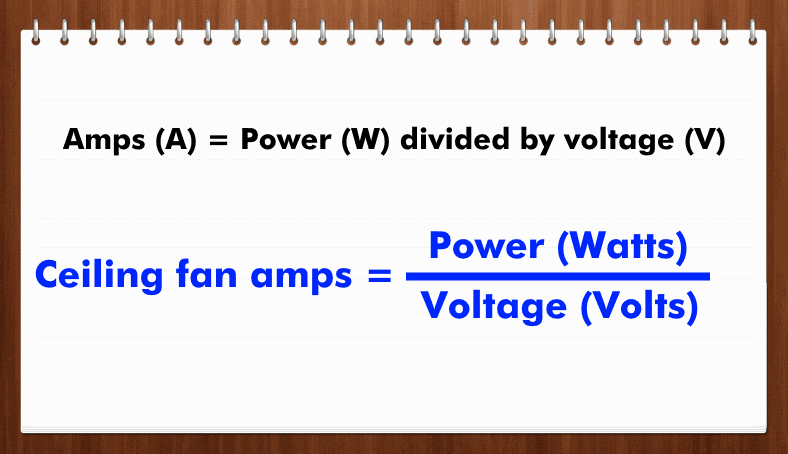
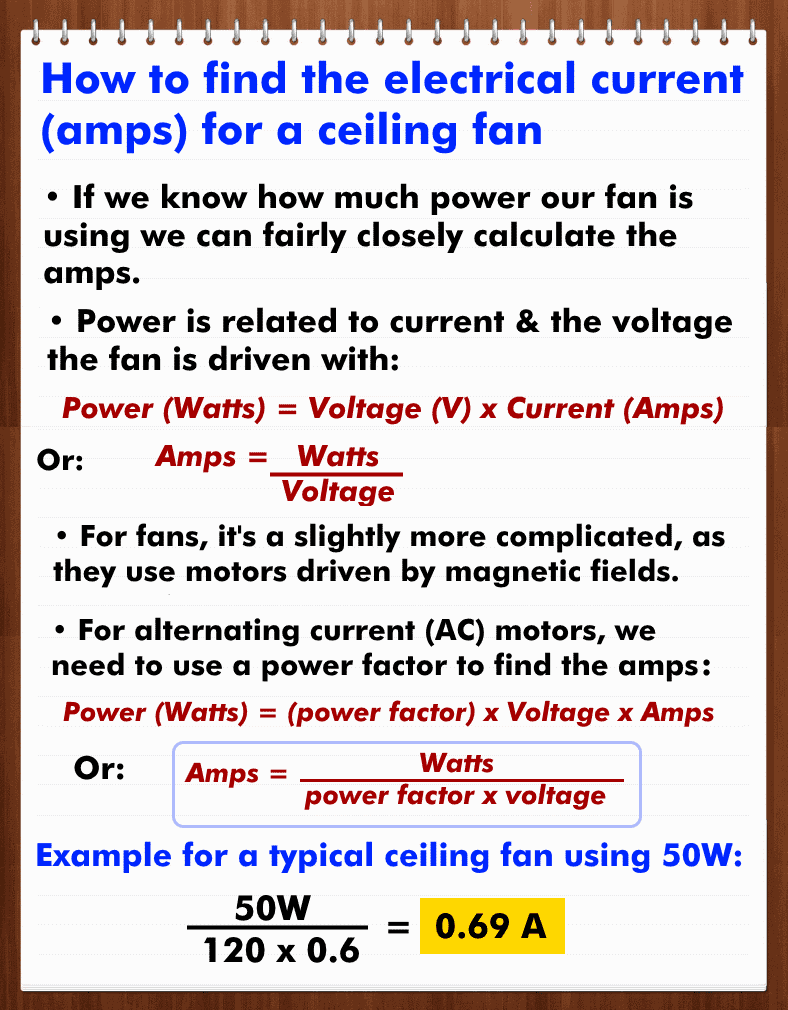
Ready to get started on your own electrical detective journey? It’s easier than you think! First, the simplest trick is to check the label. Most appliances have a sticker, usually on the back or bottom, that lists its electrical specifications, often including wattage (W) or current (A – for amps). If it only lists watts, a quick rule of thumb for standard US outlets (120 volts) is: Amps = Watts / 120. So, a 120-watt fan uses 1 amp. Even better, invest in a "Kill-A-Watt" meter. This handy device plugs into your wall outlet, and you plug your fan (or any appliance) into it. It will then tell you, in real-time, exactly how many amps, watts, and even the estimated cost of running your device. It’s an incredibly practical and enlightening tool. Finally, as a general tip, consider the energy efficiency of your fans. Newer models, especially those with DC motors or Energy Star ratings, are designed to deliver more breeze for fewer amps.

Knowing how many amps your fan uses isn't just about technical specifications; it's about empowering yourself with knowledge. It’s the satisfaction of understanding a small part of how your home works, making informed choices about energy consumption, and ultimately enjoying a cooler, smarter, and potentially more cost-effective living space. So go ahead, peek at that label or plug in that meter – you might just surprise yourself with what you learn!