How Many Amps Does A Car Battery Need To Start
Let's face it, few things are more frustrating than turning the key in your car and hearing… nothing. Just that awful, anticipatory silence. We rely on our cars for so much – getting to work, shuttling kids to school, embarking on road trips, and simply running errands. They're our trusty steeds in the modern world, and when they fail us, it throws a wrench (pun intended!) into our perfectly planned lives.
At the heart of a functioning car lies the battery, and at the heart of a functioning battery lies the ability to deliver enough power – specifically, enough amps – to get the engine roaring to life. So, how many amps does a car battery need to start? It's a crucial question, and understanding the answer can save you from those dreaded dead-battery scenarios.
The purpose of a car battery is multifaceted, but its primary function is to provide the initial jolt of electricity needed to crank the engine. Once the engine is running, the alternator takes over, supplying power to the electrical system and recharging the battery. Think of the battery as the starting pistol and the alternator as the marathon runner keeping the power flowing. Without that initial burst from the battery, you're going nowhere.
Must Read
The exact number of amps required varies depending on several factors, including the size and type of engine, the temperature, and the condition of the battery itself. Generally speaking, a typical car battery needs anywhere from 150 to 400 amps to start a four-cylinder engine in warm weather. Larger engines, like those in trucks and SUVs, may require upwards of 450 to 700 amps or even more, especially in cold conditions. Cold weather significantly increases the amperage needed because the engine oil becomes thicker, making it harder for the engine to turn over.
Consider these common examples: A small sedan on a summer day might need only 200 amps. A pickup truck in freezing temperatures, however, could easily demand 600 amps or more. This is why cold weather often leads to a spike in dead battery calls.

So, how can you ensure your battery is always ready for the challenge? Here are a few practical tips:
- Regular Maintenance: Have your battery tested periodically, especially before the onset of winter. Most auto parts stores offer free battery testing.
- Keep it Clean: Corrosion on the battery terminals can impede the flow of electricity. Clean the terminals with a wire brush and a baking soda solution.
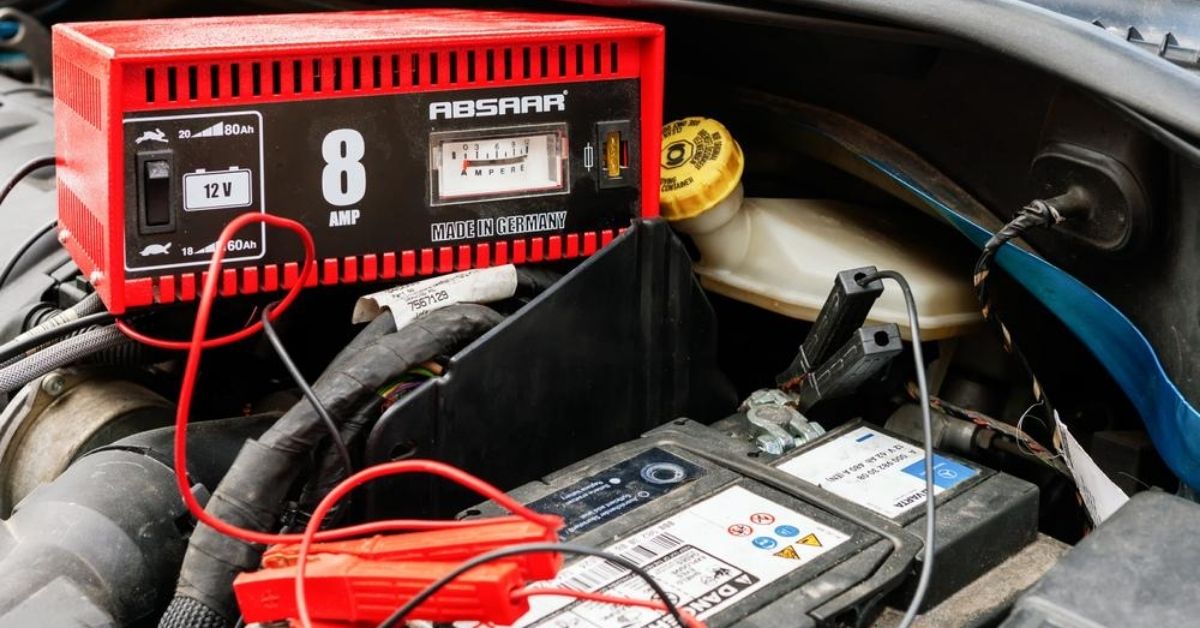
- Limit Short Trips: Short trips don't allow the alternator enough time to fully recharge the battery. If you primarily drive short distances, consider using a battery maintainer or trickle charger occasionally.
- Turn Off Accessories: Before starting your car, make sure all unnecessary accessories, such as headlights, radio, and air conditioning, are turned off. This reduces the load on the battery during startup.
- Invest in a Quality Battery: A higher-quality battery with a higher cold-cranking amps (CCA) rating will generally perform better and last longer, especially in challenging conditions. Look for a battery that meets or exceeds your vehicle's specifications.
Understanding the amperage requirements of your car battery isn’t just technical jargon; it's practical knowledge that empowers you to maintain your vehicle and avoid those frustrating dead-battery moments. So, keep your battery in good shape, and enjoy the open road! Remember, a little preventative maintenance goes a long way in keeping your reliable ride, well… reliable.