
How Many Amps Does A 3 Ton Air Conditioner Use

Summer's here, and the AC is humming! But have you ever stopped to wonder just how much juice that 3-ton air conditioner is really sucking down? It's not exactly the sexiest topic, but understanding your AC's power consumption is crucial for managing your energy bills and maybe even saving the planet, one kilowatt at a time.
So, let's dive into the nitty-gritty. We're talking amps, air conditioners, and all the things that make your home a cool oasis when the sun's beating down like it's auditioning for a Mad Max movie.
Understanding the 3-Ton Air Conditioner
First things first, what is a "ton" in AC terms? It's not about weight! A ton of air conditioning refers to the amount of heat it can remove from a room in one hour. Technically, it's the amount of heat needed to melt one ton of ice in 24 hours. Think of it as the cooling power equivalent to melting a literal ton of ice – now that's refreshing!
Must Read
A 3-ton AC is generally suitable for homes ranging from 1,600 to 2,000 square feet. If you're cooling a smaller space, a smaller unit might be more efficient. Oversizing can lead to short cycling, which is like constantly starting and stopping your car at a red light – terrible for efficiency and long-term health.
The Amp-lification: How Many Amps Does it Use?
Okay, let’s get to the burning question (pun intended!). A 3-ton air conditioner typically uses between 15 to 20 amps. However, this is a general range. The exact amperage will depend on several factors, including:
*SEER Rating: The Seasonal Energy Efficiency Ratio (SEER) indicates how efficiently an AC unit operates. A higher SEER rating means better energy efficiency and, generally, lower amperage.
Voltage: Most 3-ton AC units run on 220-240 volts. Make sure your electrical system is compatible. Using the wrong voltage is like trying to put a square peg in a round hole… a recipe for disaster!
*Manufacturer and Model: Different brands and models will have varying power requirements. Always check the manufacturer's specifications on the unit itself or in the user manual.
*Starting Amps vs. Running Amps: When an AC unit starts, it requires a surge of power called the "starting amps," which can be significantly higher than the "running amps." This is important to consider when calculating your overall electrical load.
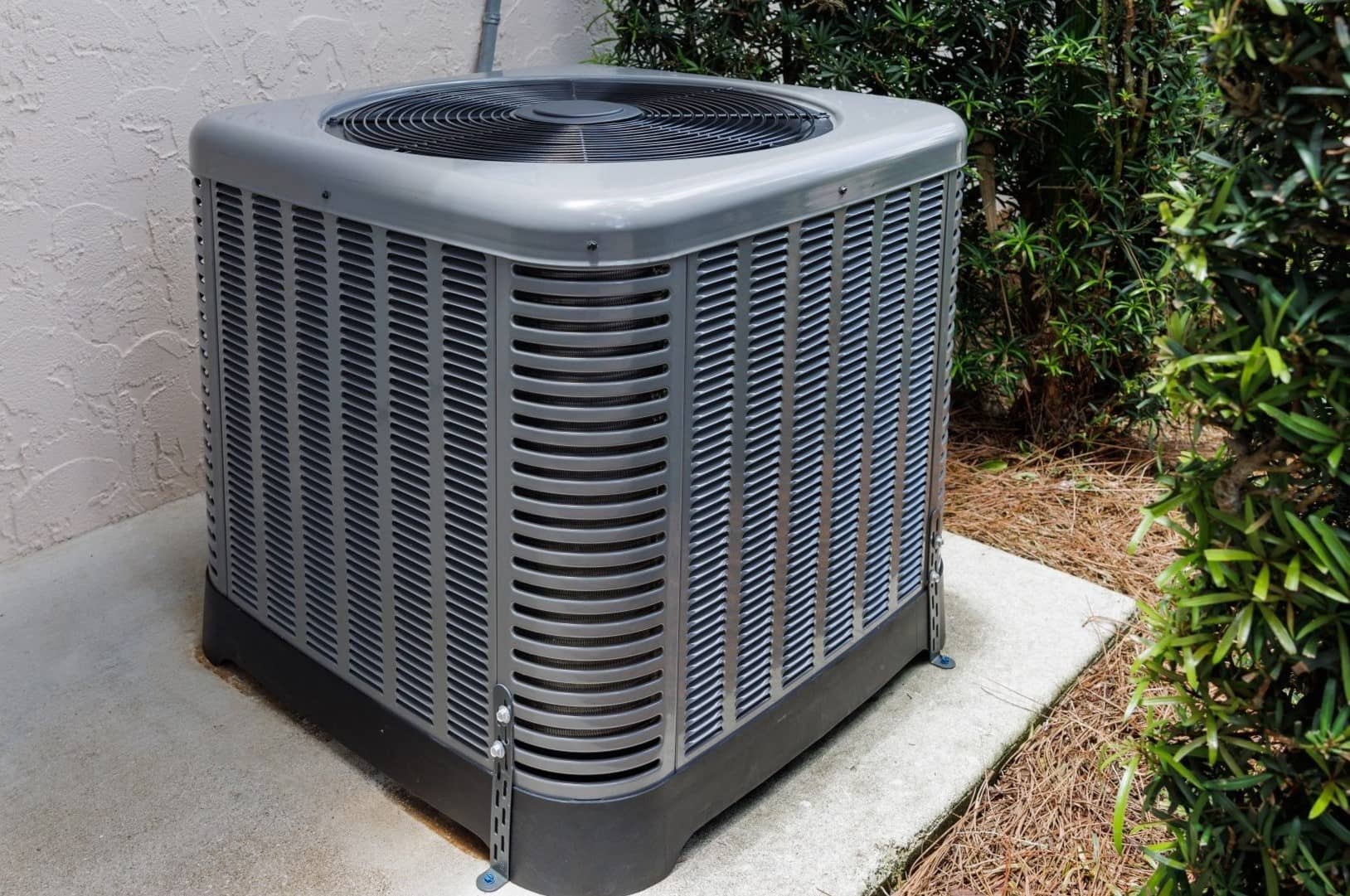
Pro Tip: Look for the "Rated Load Amps" (RLA) or "Minimum Circuit Ampacity" (MCA) on the unit's data plate. These values will give you a more accurate estimate of the amperage it draws.
Practical Tips for Energy Efficiency
Want to keep your cool without breaking the bank? Here are a few practical tips to lower your AC's power consumption:
*Regular Maintenance: Clean or replace your air filters regularly. Dirty filters restrict airflow, forcing your AC to work harder and consume more energy. Think of it like trying to run a marathon while breathing through a straw!

Programmable Thermostat: Set your thermostat to a higher temperature when you're away or asleep. Every degree you raise the thermostat can save you money.
*Seal Air Leaks: Caulk and weatherstrip around windows and doors to prevent air leaks. It's like wearing a parka with the zipper open – pointless!
*Use Ceiling Fans: Ceiling fans circulate air, making you feel cooler and allowing you to raise the thermostat a few degrees. Plus, they add a touch of retro-chic to your decor!
Consider a Smart Thermostat: These thermostats learn your habits and automatically adjust the temperature to maximize energy savings. They're like having a tiny, energy-conscious robot living in your wall.
The Bigger Picture
Understanding your AC's power consumption isn't just about saving money; it's also about reducing your carbon footprint. By making small changes in your energy usage, you can contribute to a more sustainable future.
We live in a time where information is readily available, and being informed about our energy consumption is empowering. It allows us to make conscious choices that benefit both our wallets and the planet.
So, the next time you crank up the AC on a sweltering day, take a moment to appreciate the technology that keeps you cool. And remember, a little knowledge goes a long way in making your home more comfortable and your energy bills more manageable.