How Many Amps Are In 120 Volts

Ever plug in a new gadget or wonder why some appliances have thick cords while others have thin ones? Or perhaps you've stumbled upon the terms volts and amps and felt a tiny spark of curiosity (pun intended!). Today, we're going to demystify a common question that often pops up: "How many amps are in 120 volts?" It sounds like a straightforward query, but it actually holds a fascinating secret about how electricity works in your home and why understanding it can make you a more savvy, and safer, consumer.
The fun part about learning this isn't just knowing a fact; it's about gaining a more intuitive sense of the invisible energy that powers our lives. Think of electricity like water flowing through a pipe. Voltage (measured in volts, V) is like the water pressure – the force pushing the water. Amperage (measured in amps, A) is like the flow rate – how much water is actually moving through the pipe at any given moment. So, when someone asks, "How many amps are in 120 volts?" it's a bit like asking, "How much water flow is in the water pressure?" You see, they're related, but one doesn't inherently contain the other.
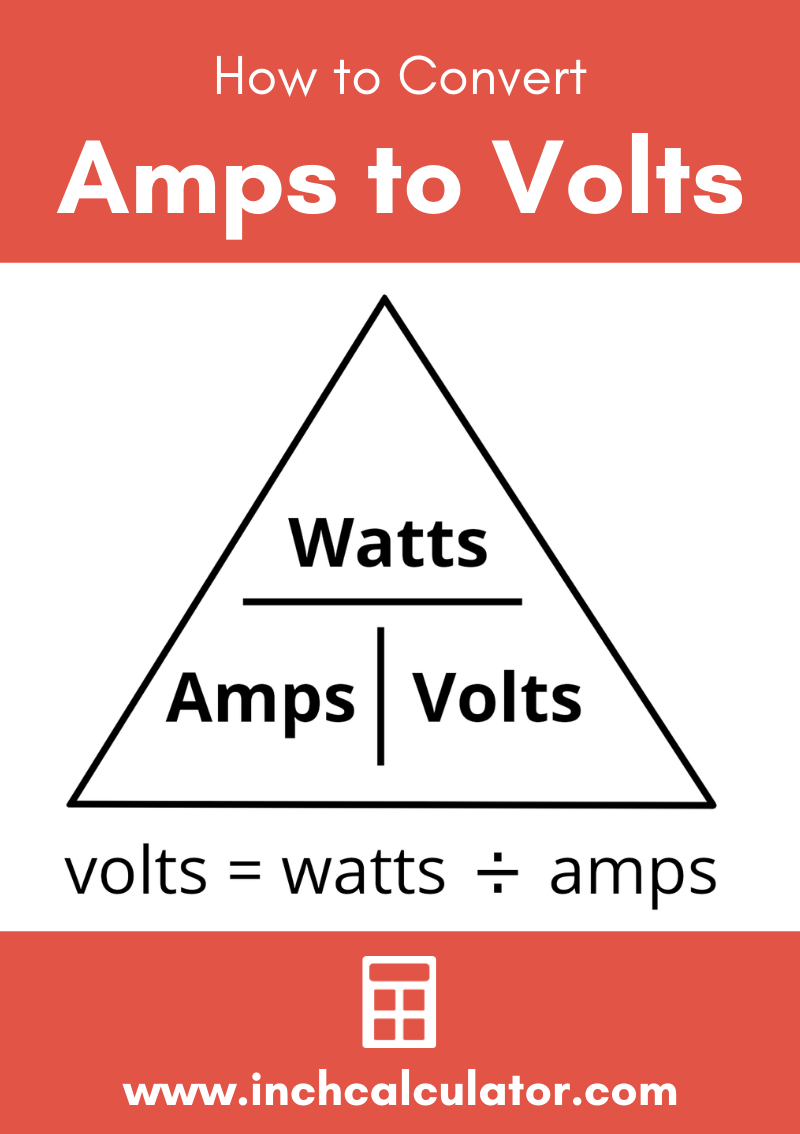
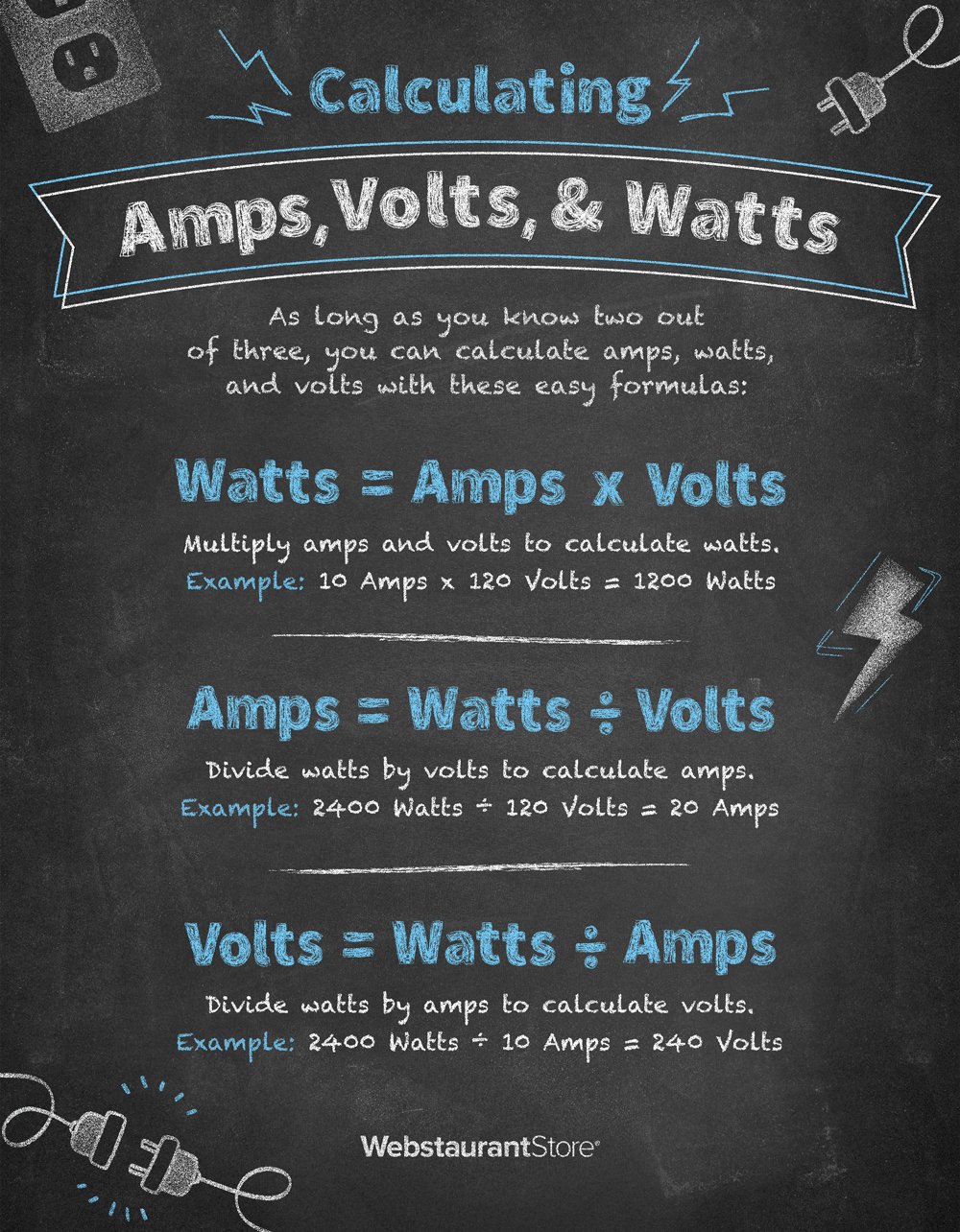
The true purpose of understanding this relationship comes down to power and safety. The amount of "work" electricity can do – like toasting your bread or charging your phone – is called power (measured in watts, W). And here's the magic formula that links them all: Power (Watts) = Voltage (Volts) × Amperage (Amps). This simple equation, often attributed to the great scientist Ohm, is your key to unlocking the mysteries of your household circuits. The benefit? You can predict how much electricity an appliance will draw from the wall and ensure you're not overloading your circuits.
Must Read
Let's look at some examples from daily life. In North America, our standard wall outlets typically provide 120 volts. Now, consider two common appliances: a small LED desk lamp and a powerful hair dryer. The lamp might only consume 10 watts. Using our formula (Amps = Watts / Volts), the lamp draws about 10W / 120V = 0.08 amps. Pretty tiny! But a hair dryer might consume 1800 watts. That's 1800W / 120V = 15 amps! See the huge difference? This is why your hair dryer can sometimes trip a circuit breaker, while your lamp never does. Circuit breakers are essentially safety devices designed to "trip" and cut power if too many amps are being drawn, preventing wires from overheating and potentially causing a fire.
Want to explore this yourself? It's easy and safe! Next time you pick up an appliance, look for its electrical specifications, usually printed on a label or near the power cord. You'll almost always see its wattage (W) and voltage (V). Grab your phone's calculator, divide the watts by the volts, and voilà! You've just calculated its amperage. You can compare different devices, like a toaster versus a TV, and see which one is a real "amp hog." This simple exercise will help you appreciate why some kitchen appliances need dedicated circuits and why plugging too many high-power devices into one extension cord is a big no-no. It's not about how many volts are "in" the wall, but how many amps your devices are pulling from those volts!