How Many Amps Are In 115 Volts

Ever wondered about the invisible magic that powers your home, from your morning coffee maker to your evening Netflix binge? Electricity can feel a bit like a mystery, full of strange terms like volts, amps, and watts. But understanding these basics isn't just for electricians; it's genuinely useful and can even be a little bit fun, demystifying the energy that flows through your walls.
One common question that pops up, often with a slight misunderstanding, is "How many amps are in 115 volts?" It's a great question because it gets right to the heart of how our everyday appliances work. Think of it like this: volts are the "pressure" that pushes electricity, and amps are the "amount" or "flow" of electricity. You don't have amps "in" volts, just like you don't have gallons of water "in" water pressure. Instead, they work together to deliver power, which we often measure in watts.
For beginners, wrapping your head around this relationship helps you understand why some gadgets need bigger plugs or why certain combinations of appliances might trip a breaker. It's like learning the basic rules of a game – suddenly, everything makes more sense! For families, this knowledge is invaluable for safety. Knowing how much current (amps) your toaster or hair dryer pulls on a 115-volt circuit can prevent overloading outlets and sparking potential hazards. It empowers you to use electricity more wisely and safely. And for the eager hobbyist or DIY enthusiast, understanding amps and volts is absolutely fundamental. Whether you're setting up a workshop, wiring new lights, or delving into electronics projects, this foundational knowledge is your compass.
Must Read
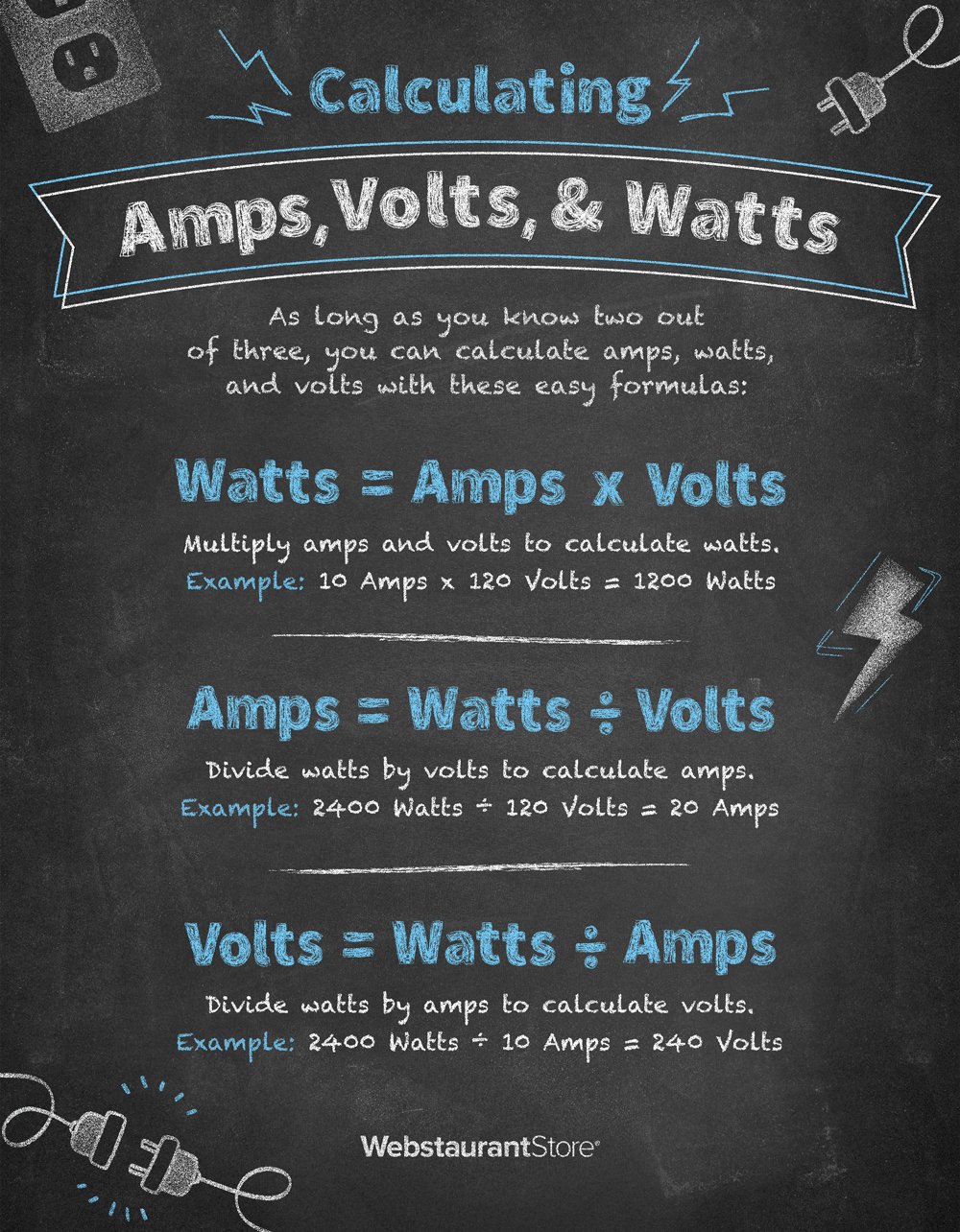
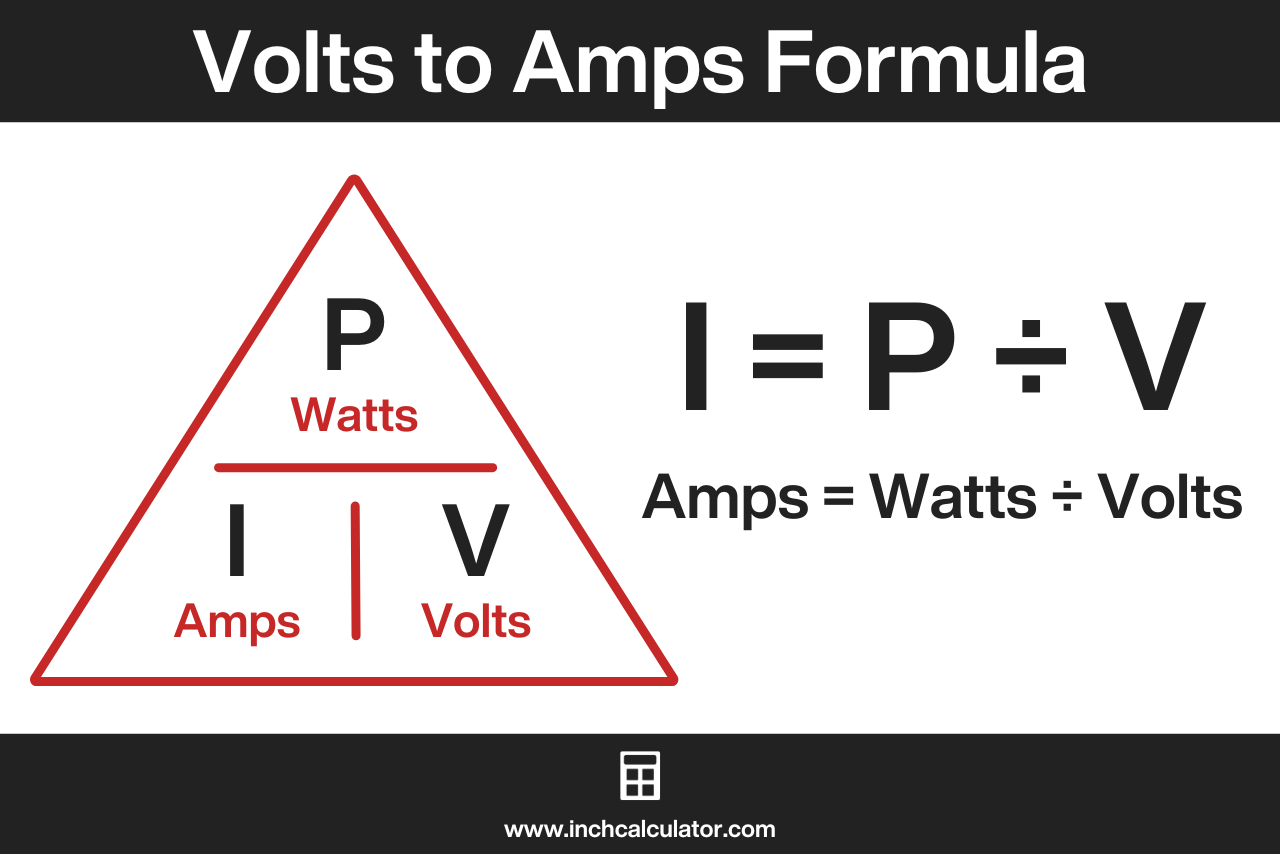
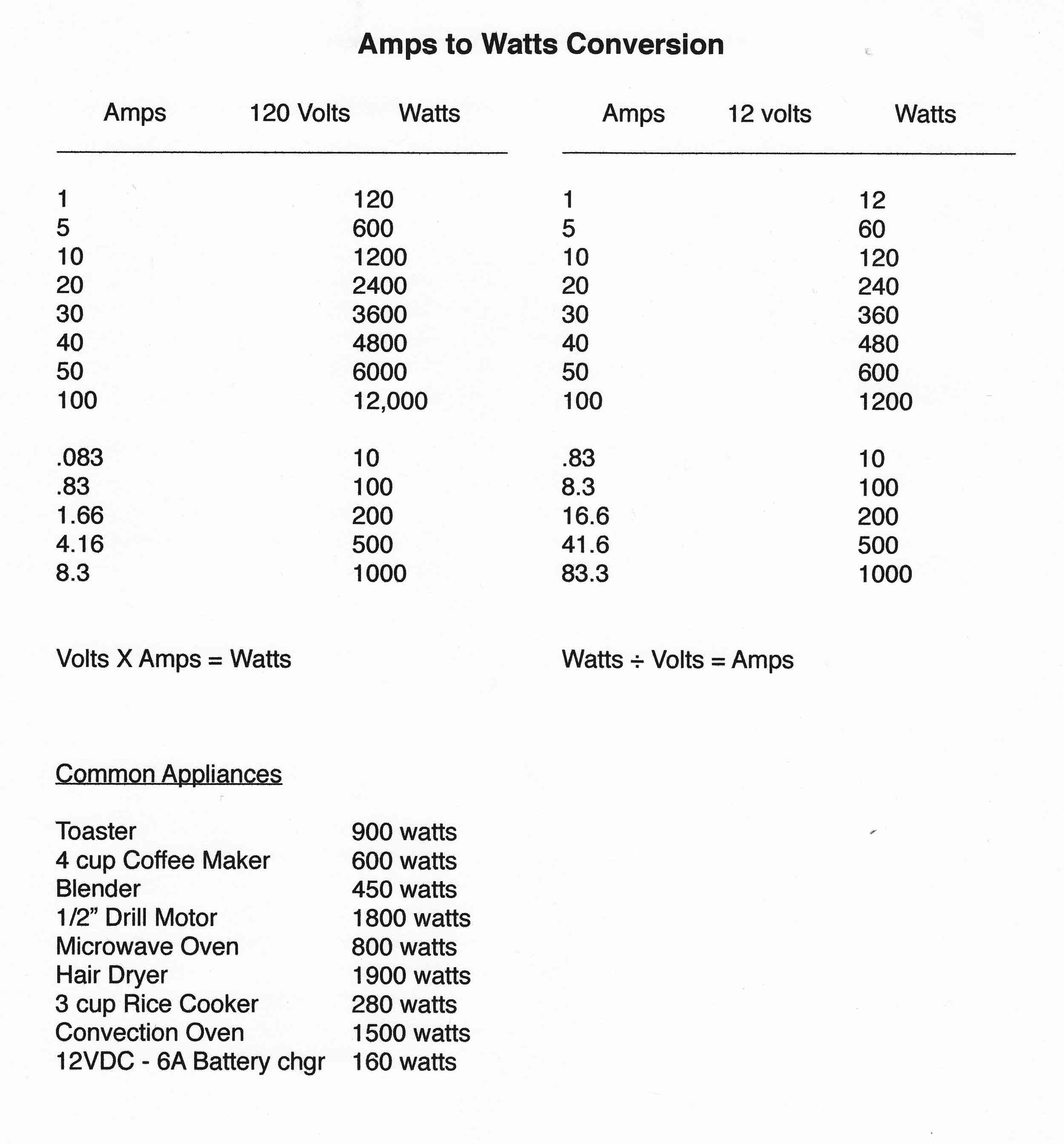
So, let's tackle that question directly: how many amps are in 115 volts? The simple truth is, you need one more piece of the puzzle: the power of the device, usually measured in watts. The relationship is straightforward: Watts = Volts x Amps. This means if you know the watts a device uses and the voltage it's connected to (typically 115V in most US homes), you can easily figure out the amps it will draw. For instance, a common household circuit in North America typically provides about 115 to 120 volts.
Let's look at some practical examples. Most appliances have their wattage (W) listed on a label.
- A typical 100-watt light bulb on a 115-volt circuit draws about 0.87 amps (100W / 115V).
- A powerful 1500-watt hair dryer, on the other hand, will draw approximately 13 amps (1500W / 115V). That's a significant difference!

Ready to get started with this newfound knowledge? Here are a couple of simple, practical tips:
- Check your appliances: Take a look at the labels on your devices. You'll often find the wattage (W) or sometimes even the amperage (A) listed directly. This helps you understand its power needs.
- Know your circuits: Find your home's electrical panel and see what amperage your circuit breakers are rated for (e.g., 15A or 20A). This gives you a ceiling for how much total current you can safely draw on each circuit.
- Avoid overload: If you're using several high-wattage appliances (like a vacuum, space heater, or microwave), try to plug them into outlets on different circuits to spread out the load.
Understanding the relationship between volts, amps, and watts makes you a much smarter consumer and user of electricity. It’s not just about numbers; it's about empowerment and safety. So next time you plug something in, you'll have a better appreciation for the fascinating, invisible forces at play, making your electrical world a little less mysterious and a lot more manageable!