How Many Amperes Are In A Volt
Ever found yourself staring at a charger, a battery pack, or a power adapter, completely baffled by terms like "volts" and "amperes"? You're not alone! Many of us use electricity every day, powering our lives with smartphones, laptops, and countless gadgets, yet the fundamental units that make it all happen can feel like a secret language. One of the most common questions that pops up is: “How many amperes are in a volt?” It's a great question, and the answer isn't just trivia; it's a gateway to understanding the invisible power flowing all around us. Why is this topic fun or useful? Because demystifying these terms gives you a superpower – the power to understand how your devices work, choose the right accessories, and even think smarter about energy safety!
Understanding the relationship between volts and amperes isn't just for electrical engineers; it's genuinely beneficial for everyone. Imagine being able to confidently pick the right power bank for your phone, or understanding why some devices charge faster than others. This knowledge helps you avoid damaging your electronics, extend battery life, and even save money by making informed purchasing decisions. It transforms confusing technical jargon into practical, everyday insights. In essence, it helps you become a more empowered and savvy consumer in our electric world.
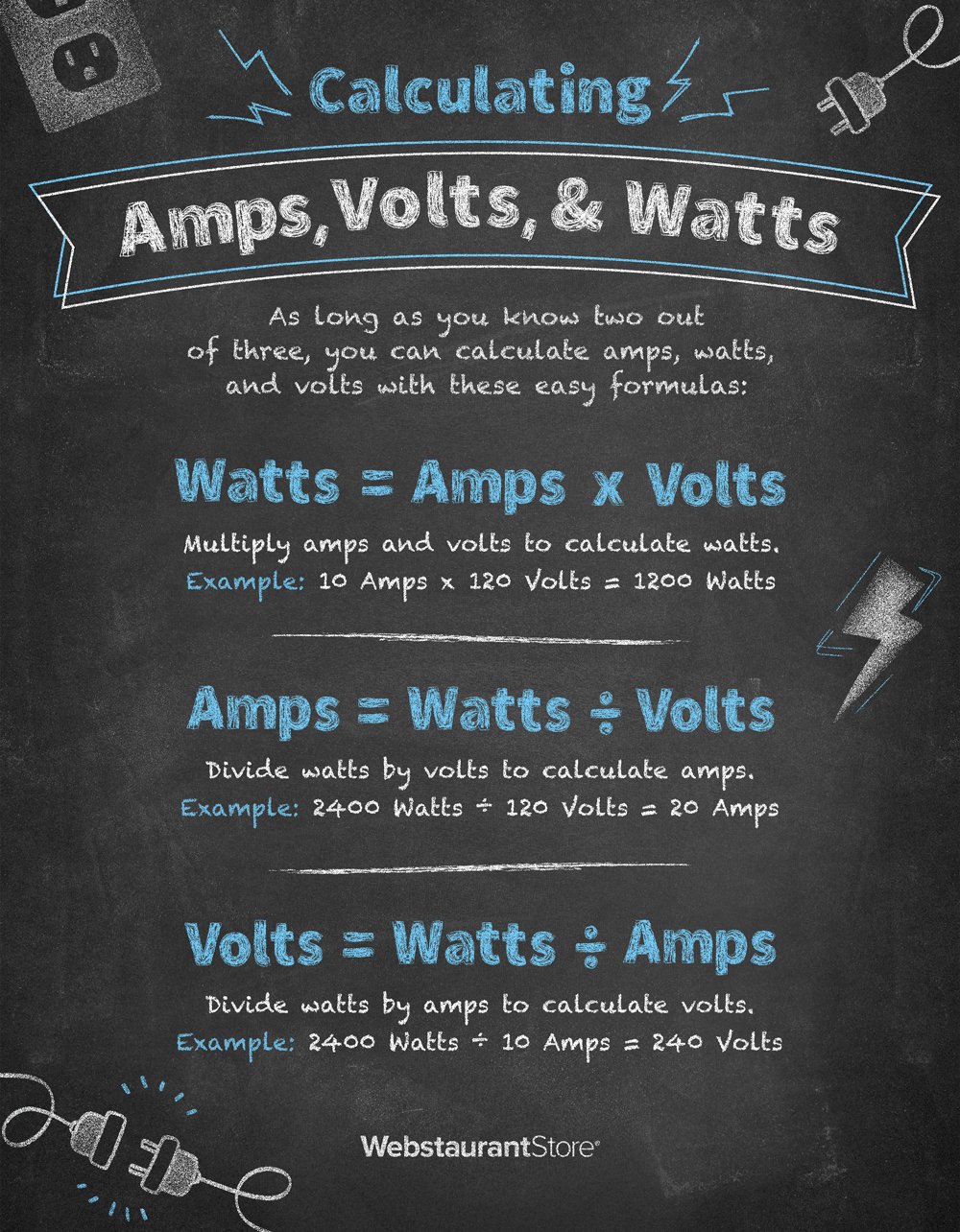
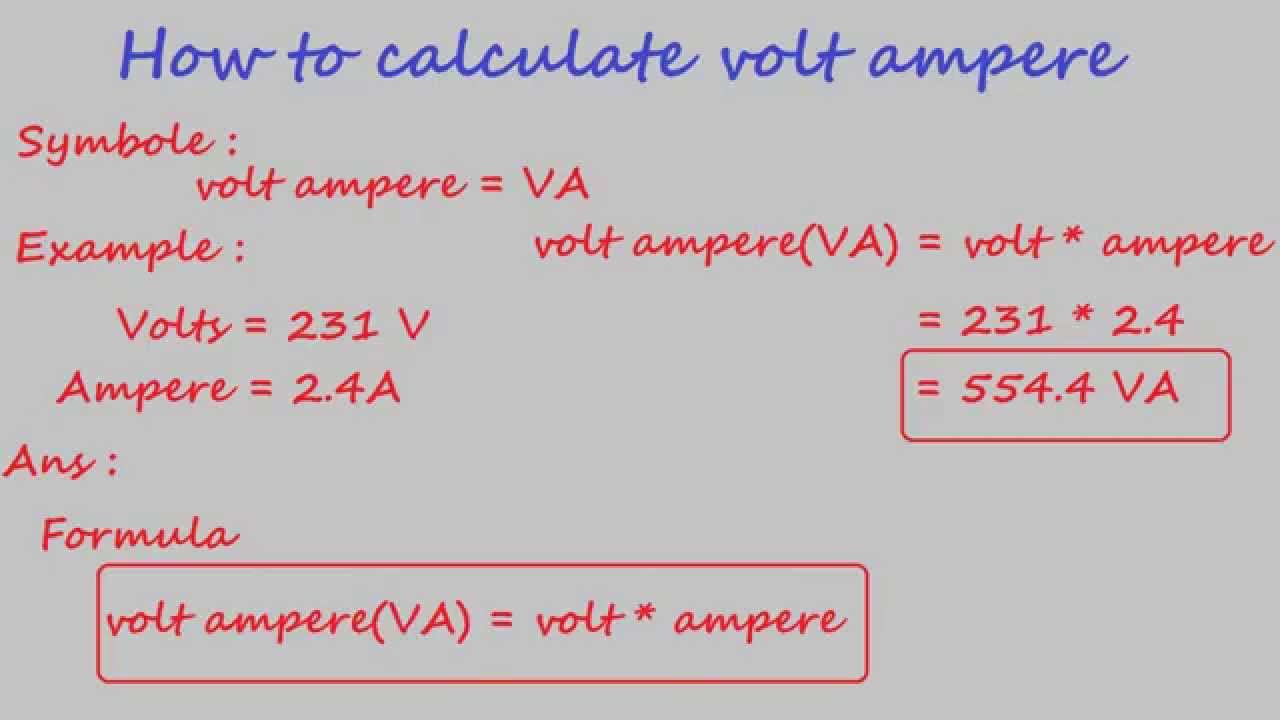
So, let's get straight to the heart of the matter: How many amperes are in a volt? The direct answer might surprise you: none! That's right, you can't directly convert volts into amperes, just like you can't convert kilometers into kilograms. They measure fundamentally different things, even though they're both crucial aspects of electricity. Think of electricity like water flowing through a pipe. Volts (V) are like the water pressure – the force pushing the water. A higher voltage means more pressure. Amperes (A), or amps, are like the flow rate – how much water is actually moving past a certain point in the pipe per second. A higher amperage means more water is flowing.
Must Read
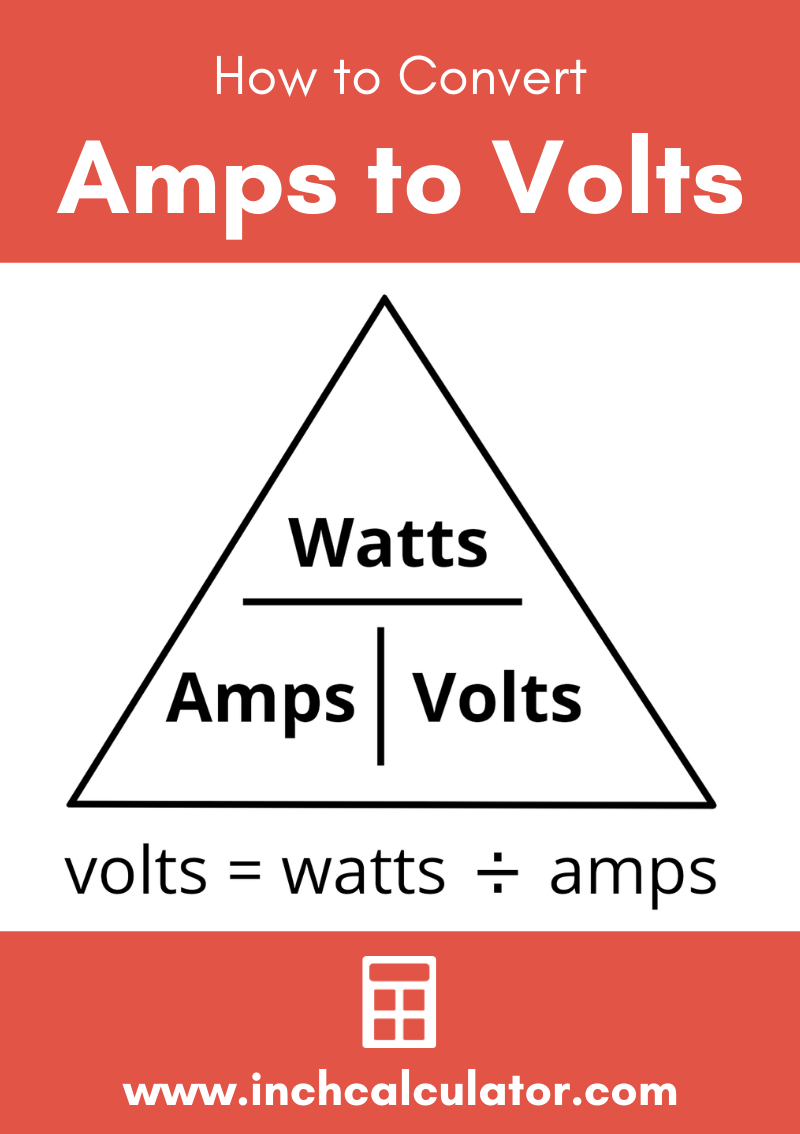
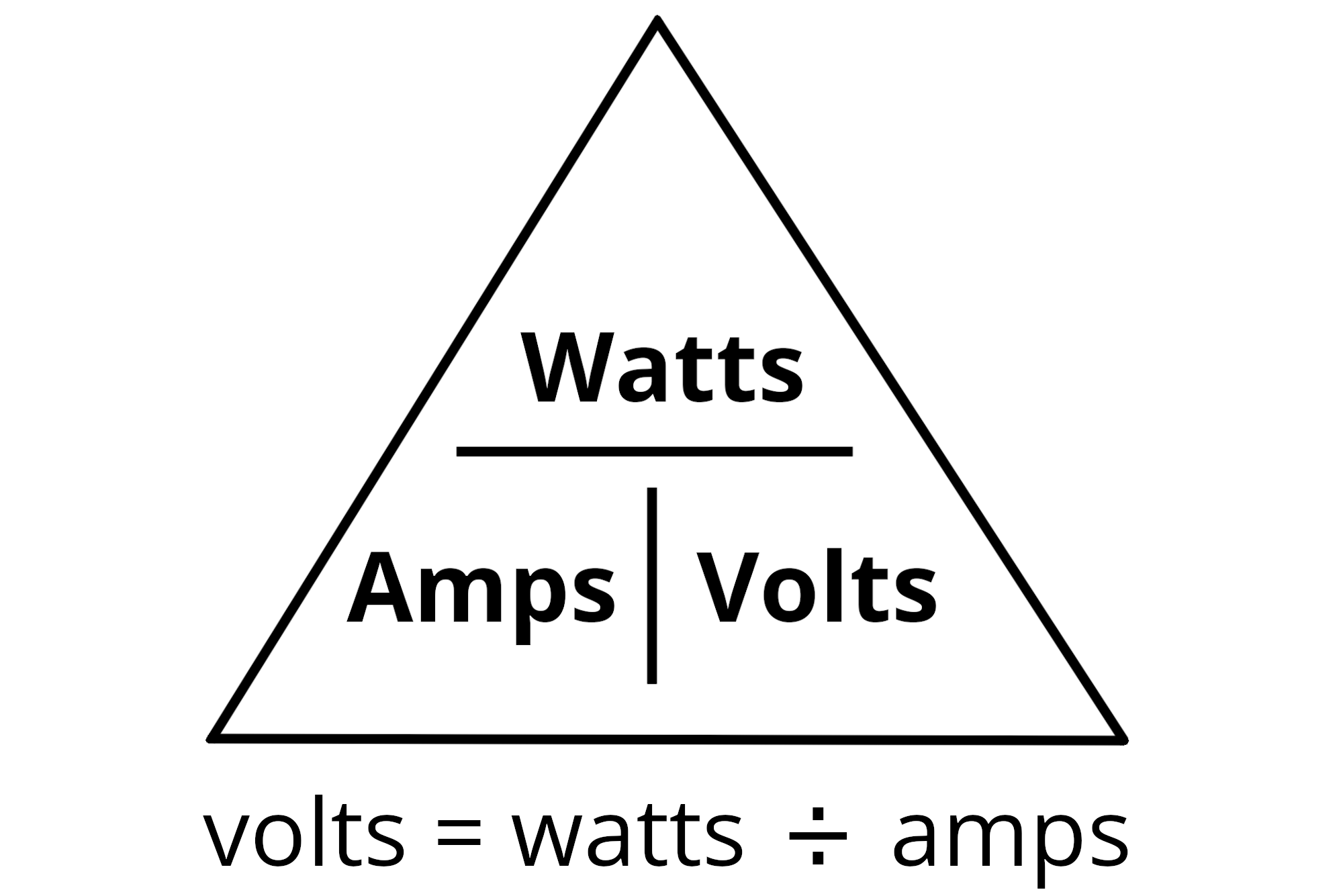
Now, here's where it gets interesting: you can have high water pressure (volts) but very little flow (amps) if the pipe is extremely narrow. Conversely, you could have moderate pressure but a huge flow if the pipe is very wide. This "narrowness" in our electrical analogy is called resistance (measured in Ohms, Ω). It's the opposition to the flow of current. So, to figure out how many amps will flow for a given voltage, you also need to know the resistance of the circuit. This relationship is neatly summarized by a fundamental principle called Ohm's Law, which essentially states: Voltage = Current × Resistance (V = I × R). So, if you know the voltage and the resistance, you can calculate the current (amperes). But you always need all three players in the game!
In summary, volts measure the "push" or potential, while amperes measure the "flow" or actual movement of charge. They are not interchangeable but are intimately related through resistance. Understanding this distinction is your key to unlocking the mysteries of electricity, from choosing the right USB charger to simply appreciating the incredible technology that powers our modern lives. So next time you see "volts" and "amps," you won't just see numbers; you'll see pressure and flow, working together to bring your devices to life!