
How Many #4 Wires In 1 Conduit
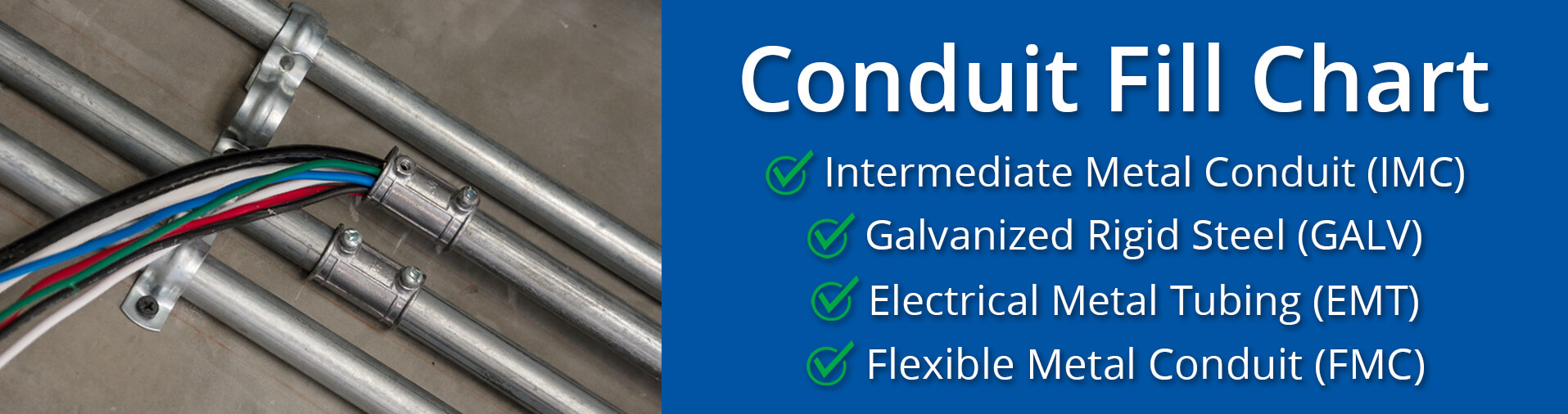
Ever stared at a bunch of wires snaking into a pipe in your basement or garage and thought, "Hmm, I wonder what's going on in there?" Or maybe you've just seen a lone electrician, head tilted, measuring things with a serious look? Well, today we're peeking behind that electrical curtain to answer a very specific, yet surprisingly important, question: How many #4 wires can you safely fit into one conduit? Don't worry, we're going to keep it light, fun, and promise no pop quizzes at the end!
What's a Conduit, Anyway?
Imagine your electrical wires as busy little commuters. They need a safe, protected path to get from point A to point B without getting tangled, stepped on, or exposed to the elements. That's where conduit comes in! Think of it like a highway for your wires, or maybe a super sturdy, protective straw. It’s a tube, usually made of metal (like EMT or rigid) or plastic (like PVC), that shields those precious wires from damage, moisture, and even curious critters. It’s the unsung hero keeping your power flowing smoothly and safely, often hidden away in walls or underground. Without it, our wires would be like spaghetti left out on the counter – messy and vulnerable!
And What About Those #4 Wires?
Now, let’s talk about our stars of the show: the #4 wires. When we say "#4," we're talking about the gauge, which is basically a fancy word for how thick the wire is. If a tiny charging cable for your phone is like a strand of angel hair pasta, a standard household outlet wire might be like spaghetti. A #4 wire? That’s more like a hearty fettuccine or even a small hot dog! It's pretty substantial, definitely not for your average lamp. These thicker wires are usually reserved for bigger jobs in your home or business, like powering a dedicated circuit for a large electric range, a mighty clothes dryer, or feeding a subpanel that distributes power to a whole section of your house. They carry more current, so they need to be robust.
Must Read
So, How Many Can Go In? The Million-Dollar Question!
Alright, drumroll please... how many of those beefy #4 wires can snuggle into one conduit? The short answer is: it depends! (Yeah, I know, not quite the snappy "five!" you might have hoped for.) But trust me, this "it depends" is actually pretty fascinating and incredibly important for safety. It’s not like trying to see how many marshmallows you can cram into your mouth, where the worst outcome is a sticky face. Here, the stakes are a little higher!
Why Should We Even Care, Right?
You might be thinking, "Who cares how many wires are in there? As long as they fit, right?" Oh, but my friend, that’s where the magic (and a little bit of danger) happens if we don’t pay attention.

First up: Heat! Think of it like a crowded elevator on a hot day. Wires, especially when they're carrying electricity, generate heat. The more wires you pack into a confined space, the less air circulation there is, and the hotter things get. Too much heat can literally melt the insulation off the wires, leading to short circuits, equipment damage, and even – yikes! – electrical fires. It’s like putting too many blankets on your electrical system; it just can’t breathe!
Then there's Damage during installation. Imagine trying to stuff way too many clothes into a small suitcase. You pull and yank, and pretty soon, something rips. The same can happen with wires. If a conduit is too full, pulling the wires through can scrape their protective insulation, making them vulnerable and unsafe. We want our wires to slide in smoothly, like a well-oiled machine, not wrestle their way in like a wrestling match!
And let's not forget about Future Maintenance and Expansion. Someday, an electrician might need to pull a wire out or add another. If the conduit is packed to the brim, that simple task becomes a nightmare. Leaving a little breathing room makes everyone's life easier down the line. It's like having a well-organized toolbox versus a chaotic junk drawer – which one makes finding things easier?

Finally, there's the Code Compliance. These aren't just suggestions; they're rules set by the National Electrical Code (NEC). These codes are written by experts who’ve seen what happens when things go wrong, and they're designed to keep us all safe. Following them isn’t just good practice; it's the law!
It's All About "Fill Percentage" – Not Quite a Magic Number!
So, instead of a simple number, electricians work with something called "fill percentage." This basically means that a conduit can only be filled to a certain percentage of its cross-sectional area. For multiple wires, the NEC generally says you can only fill it up to 40%. Why not 100%? Because wires aren't perfectly round, and they don't pack together perfectly like neat little hexagons. They need space to wiggle, breathe, and be pulled without damage.

The exact number of #4 wires for a given conduit size (say, a 1-inch or 1.25-inch conduit) is determined by specific tables in the NEC, which account for the conduit's internal diameter and the wires' external diameters (including their insulation). An electrician will look up these values and do a quick calculation to make sure they're respecting that 40% rule. It's less guesswork and more scientific precision, ensuring maximum safety and efficiency.
The Takeaway: Leave It To The Pros (Mostly!)
While it's great to understand the "why" behind these rules, figuring out the exact number of #4 wires for your specific conduit, wire insulation type, and conduit type is usually a job best left to a qualified electrician. They've got the charts, the experience, and the safety know-how to make sure your home's electrical system is not just working, but working safely.
So, the next time you see those wires disappearing into a pipe, you’ll know there’s a whole lot more going on than meets the eye! It's all about making sure your electrical system runs cool, calm, and collected, keeping your home powered up without a hitch, and most importantly, keeping everyone safe. And isn't that a thought that can make anyone smile?
