
How Many #12 Thhn In 3/4 Emt

Ever stared at a roll of THHN wire and a length of EMT conduit and wondered, "How many of these wires can I actually cram into that tube?" Yeah, me too! It's like trying to figure out how many jellybeans fit in a jar – a puzzle with real-world consequences (and way less sugary reward, unfortunately).
We're talking about something important here: electrical safety! Overstuffing conduit is a big no-no. It can lead to overheating, insulation damage, and even fires. Nobody wants that, right?
The Magic Number (Well, Sort Of)
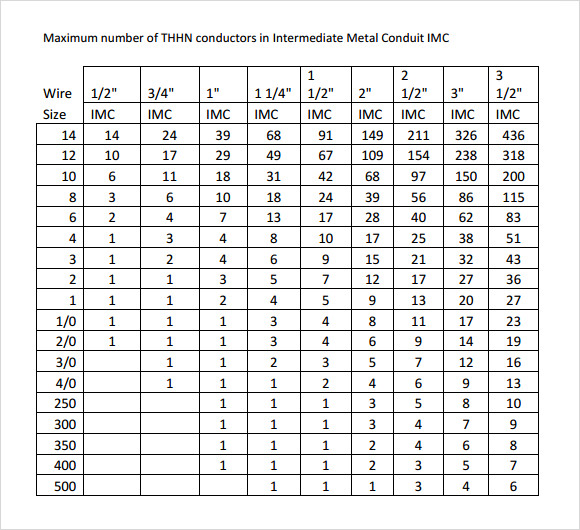
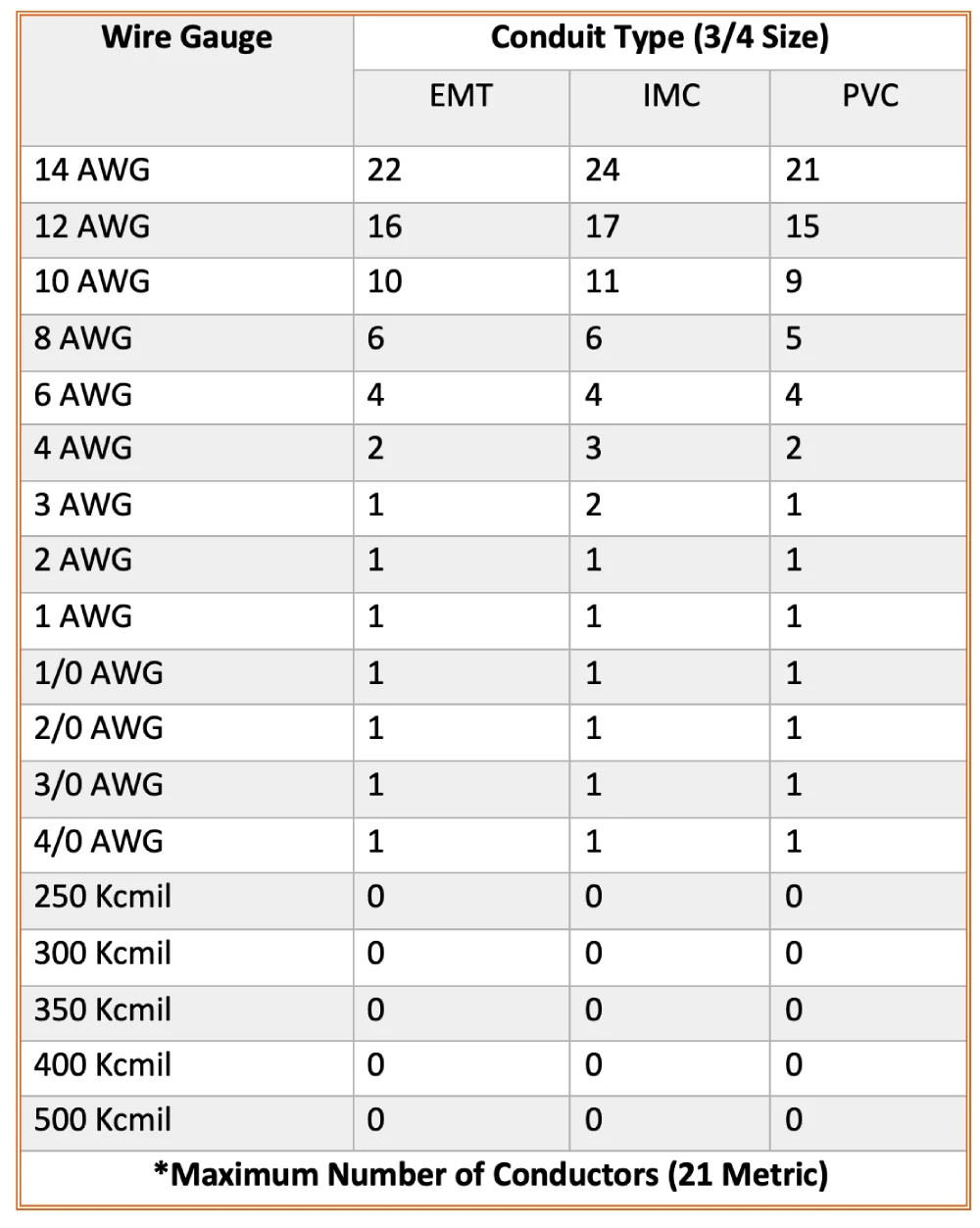
So, what's the answer? How many #12 THHN wires can you safely stuff into a 3/4 inch EMT conduit? Generally speaking, you're looking at a maximum of 9 #12 THHN wires. That’s your typical answer, but remember, it's not quite that simple.
Must Read
Think of it like fitting furniture into a moving truck. You could technically cram a ton of stuff in there, but would you want to? No! You need to leave room for the movers to, you know, move! Similarly, you need to leave room in the conduit for the wires to breathe and dissipate heat.
Why So Specific? Area is Key!
Here’s the deal: the National Electrical Code (NEC) sets the rules for electrical installations. And they're all about area. Not the area of your house, but the area inside the conduit and the cross-sectional area of the wires.
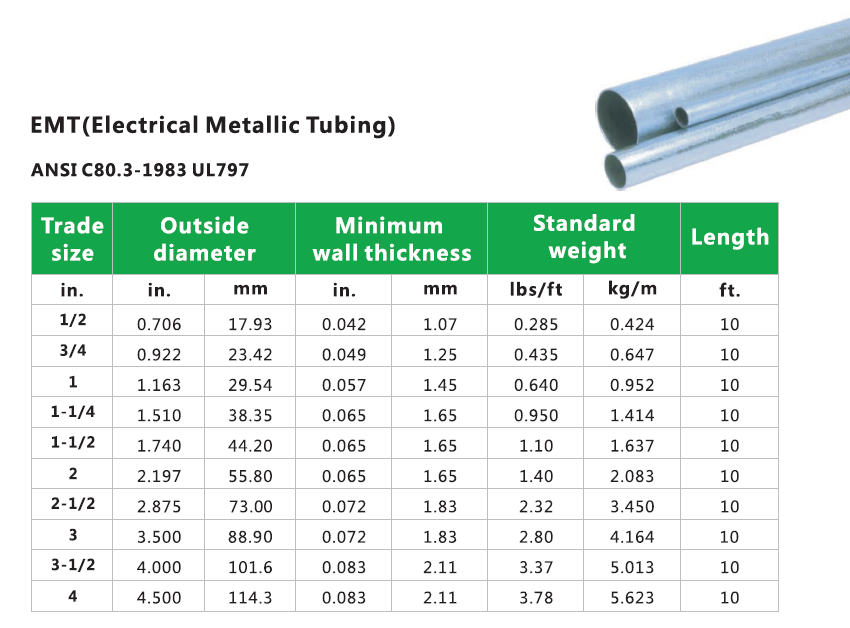
The NEC says you can only fill a certain percentage of the conduit's area with wires. Why? Because heat! Wires carrying electricity generate heat. If they're packed too tightly, that heat can't escape, leading to problems. Think of it like trying to run a marathon in a parka – you're going to overheat!
This fill percentage is different depending on how many wires you have. For more than two wires, the NEC generally limits the fill to 40%. So, we have to calculate the area of our 3/4 inch EMT conduit, then figure out how much area 9 #12 THHN wires take up. If the wires' total area is less than 40% of the conduit's area, we're good to go!
THHN vs. Other Wire Types
Now, you might be thinking, "THHN? What's that?" THHN refers to a specific type of insulation on the wire. It stands for Thermoplastic High Heat-resistant Nylon-coated. It's a common type of wire used in residential and commercial wiring. But, and this is a big but, different wire types have different insulation thicknesses, and therefore different cross-sectional areas.
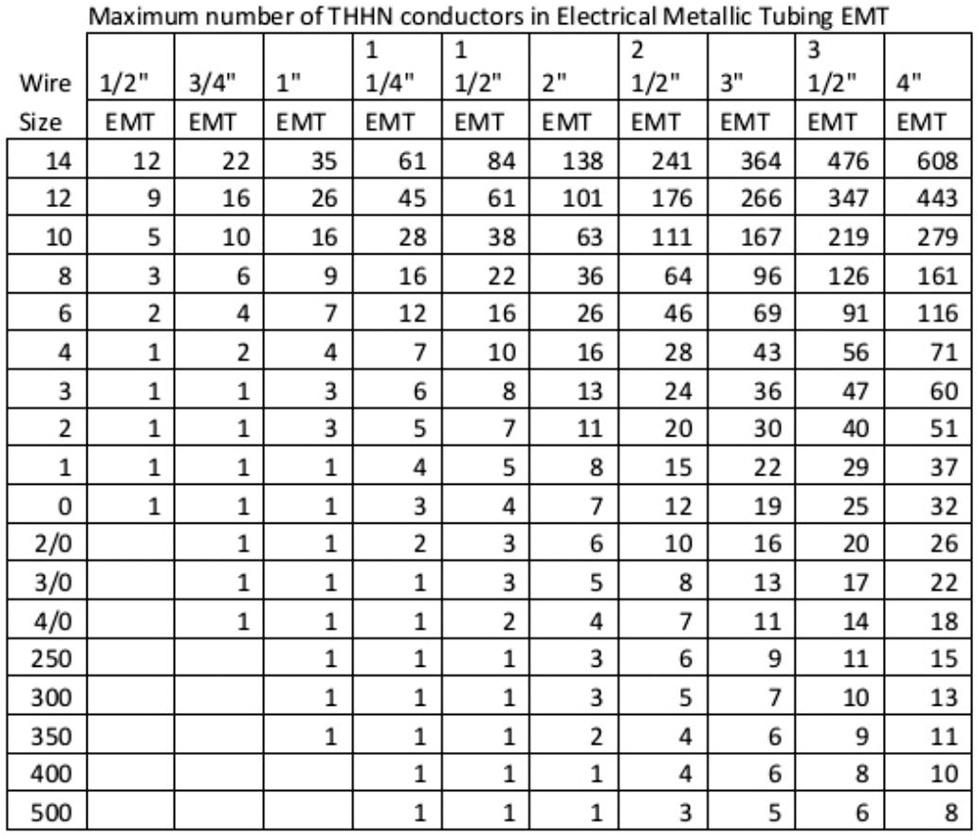
Using THWN (Thermoplastic High Water-resistant Nylon-coated) wire, for instance, which is very similar to THHN but rated for wet locations, might change the number of wires you can safely fit. While often the differences are negligible, it's always best to consult the NEC tables or use a wire fill calculator to be sure.
The NEC is Your Friend (Sort Of)
The NEC can seem intimidating, but it's there to keep you safe. It has tables that spell out exactly how many of each wire type can go into each conduit size. So, before you start pulling wires, consult the NEC tables for the most accurate information. Don't just trust my blog post! (Although, I appreciate you reading it.)
Think of the NEC as the ultimate cheat sheet for electrical work. It's like having a super-smart electrician looking over your shoulder, making sure you don't mess things up. Pretty cool, right?
Tools of the Trade: Wire Fill Calculators
Don’t want to dive into the NEC tables and get your calculator out? You're in luck! There are plenty of online wire fill calculators that can do the math for you. Just plug in the conduit size, wire type, and number of wires, and it'll tell you if you're within the limits.
These calculators are a lifesaver! They're like having a pocket-sized electrical engineer. They take the guesswork out of wire fill calculations, ensuring that you're doing things safely and correctly. It's especially helpful for those more complicated wiring projects.
Beyond the Basics: Derating
Even if you're within the fill limits, there's another factor to consider: derating. This is where things get a bit more advanced, but basically, if you have a lot of current-carrying conductors bundled together in a conduit, you may need to reduce the ampacity (current-carrying capacity) of the wires.
It's like running a marathon on a hot day. You might be able to finish, but you'll probably need to slow down to avoid overheating. Similarly, wires in a conduit may need to have their ampacity reduced to prevent them from getting too hot.
So, What’s the Big Takeaway?
Wiring isn't about brute force; it's about smart calculations and understanding the rules. Yes, 9 #12 THHN wires is a good general guideline for 3/4 inch EMT, but always double-check the NEC and consider factors like wire type and derating. A little planning can save you a lot of headaches (and potential fire hazards!) down the road.
Remember, when it comes to electricity, safety first! Now go forth and wire responsibly!