How Low To Set Thermostat In Winter While Away
Okay, so you're jetting off for a winter getaway! Lucky you! Sipping Mai Tais on a beach while the rest of us are shoveling snow…not jealous at all. (Okay, maybe a little.) But before you go full "out of office" mode, let's talk thermostat settings. Because coming home to frozen pipes is definitely not the souvenir you want to bring back.
The Great Thermostat Debate: How Low Can You Go?
This is the million-dollar question, isn't it? Or, more accurately, the potentially-expensive-burst-pipe question. The sweet spot is finding a temperature that saves you money without turning your house into an ice palace.
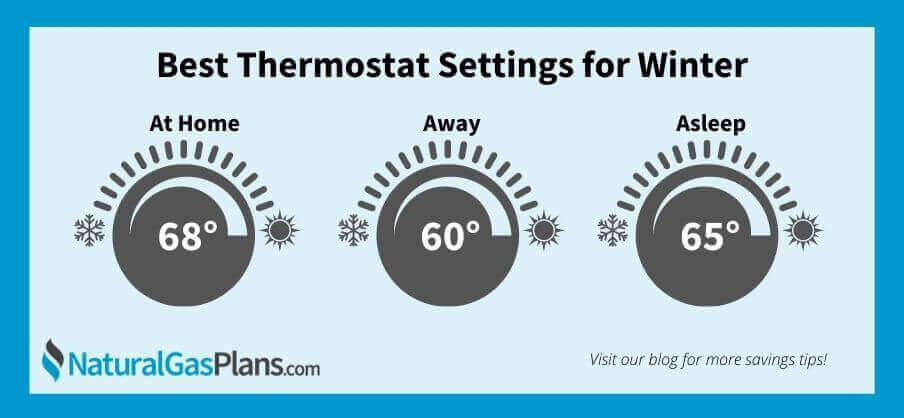
Generally, the consensus leans towards setting your thermostat to around 55°F (13°C) while you're away. Think of it as a "bare minimum survival temperature" for your plumbing. I know, it sounds dramatic, but better safe than sorry!
Must Read
Why 55°F? Well, most experts agree that this temperature provides a reasonable buffer against freezing pipes, especially if your home is well-insulated. But remember, every house is different. Yours might be draftier than a haunted mansion, so consider bumping it up a degree or two just to be on the extra-safe side.

Factors That Influence Your Thermostat Choice
Think of your house like a delicate ecosystem. Several things can affect how low you can really set that thermostat:
* Insulation: Is your house wrapped up in a cozy blanket of insulation, or is it more like wearing a t-shirt in a blizzard? Better insulation means you can probably push that temperature down a bit further. * Location, Location, Location: Are you in sunny California or the arctic tundra of, say, North Dakota? (No offense, North Dakotans! You're hardy folk!) Colder climates require a little more thermostat love. * Pipe Location: Are your pipes running through exterior walls, happily exposed to the elements? Or are they nestled snugly inside, protected from the cold? Exposed pipes are more vulnerable to freezing. Consider letting faucets drip on these, especially if you have known problems with them freezing. * Smart Thermostat Shenanigans: Do you have a fancy smart thermostat? If so, you can monitor and adjust the temperature remotely. This is a huge advantage, as you can react to changing weather conditions. Plus, it's just plain cool.Going Lower: The Risks and Rewards
Tempted to crank that thermostat down to 50°F (10°C) and become a super-saver? Hold your horses! While you might save a few bucks on your energy bill, you're also flirting with disaster. Frozen pipes can burst, leading to extensive water damage. Think of it as trading pennies for potential thousands in repairs.

Besides the plumbing peril, extremely low temperatures can also damage some materials in your home. Wood floors might warp, and certain types of paint could crack. It's generally not worth the risk.
A Few Extra Tips for Peace of Mind
* Open Cabinet Doors: Under sinks, especially in kitchens and bathrooms, open those cabinet doors! This allows warm air to circulate around the pipes. * Drip, Drip, Drip: Let faucets drip slightly, especially during extremely cold weather. A slow, steady drip can prevent pipes from freezing. * Ask a Neighbor: If you have a trusted neighbor, ask them to check on your house periodically. They can make sure everything is okay and adjust the thermostat if needed. Offering them baked goods upon your return is highly encouraged. * Consider Freeze Alarms: These handy devices will alert you (or your neighbor) if the temperature in your home drops below a certain threshold. * Drain the Plumbing: If you're going to be away for an extended period (like, months), consider having your plumbing system drained. This is the ultimate freeze-prevention measure.The Bottom Line: It's About Peace of Mind
Ultimately, the best thermostat setting for your winter getaway is the one that gives you peace of mind. Don't skimp on a few degrees to save a few dollars, only to spend your vacation worrying about frozen pipes. Crank it up, relax, and enjoy that beach! Come home to a warm, safe house, and pat yourself on the back for being a responsible homeowner. Now, go get that tan!