
How Long Will The United States Oil Reserves Last

Okay, let's talk about oil. Black gold. Texas tea. You know, the stuff that makes our cars go "vroom" and heats our homes (or, you know, cools them with AC, which also uses oil, sneaky stuff!). Specifically, let’s ponder the age-old question: How long are those United States oil reserves gonna last?
I know, I know. You've heard the doomsday predictions. "We're all gonna be riding bicycles uphill both ways by 2030!" Or maybe you've heard the opposite: "We're practically swimming in the stuff! Oil fountains are gonna start erupting in our backyards!"
The truth, as always, is probably somewhere in the messy middle.
Must Read
The Official Answer (Spoiler Alert: It's Complicated)
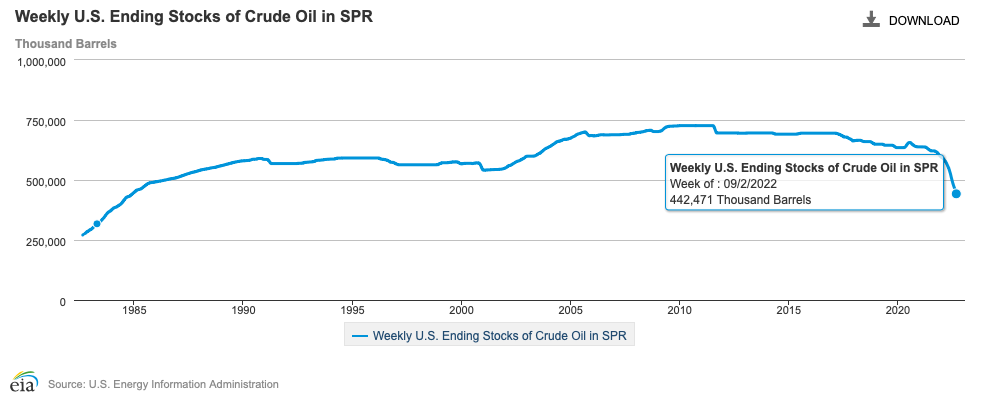
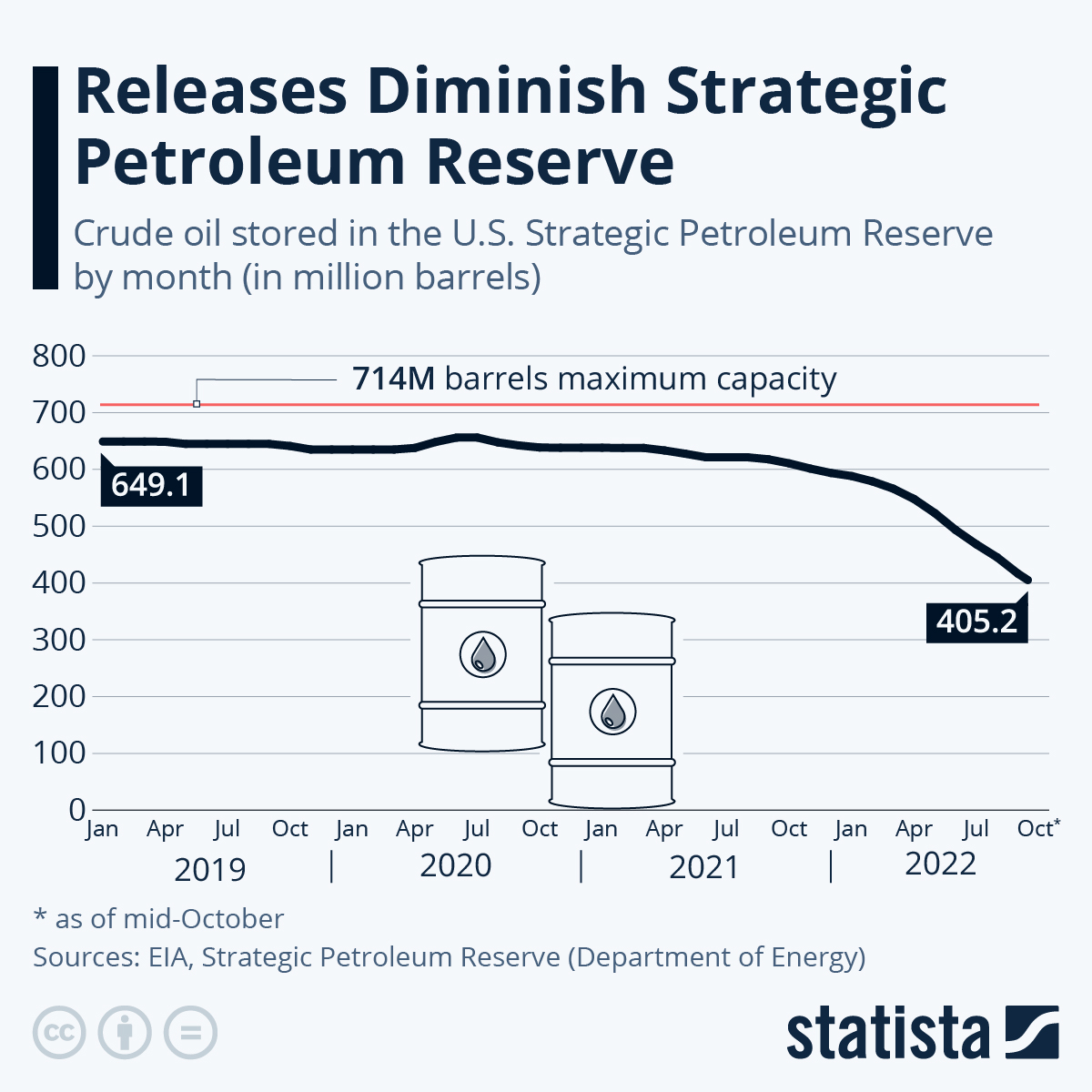
If you ask the government, they'll give you a very serious, very data-filled answer. Something about proven reserves, technically recoverable resources, and strategic petroleum reserves (SPR). It involves charts, graphs, and probably a few acronyms that would make your head spin. Basically, they'll say it depends. On technology, on demand, on global politics, and probably on whether or not squirrels start hoarding crude oil for the winter.
But let's be honest. Does anyone really understand those official answers? I mean, I tried to read a government report once. My eyes glazed over faster than a donut.

My Unpopular Opinion (Hold onto Your Hats!)
Here's where I get a little controversial. Ready? I don’t think we need to worry about running out of oil anytime soon. Gasp! I said it!
Now, before you start sending me angry emails or staging a protest outside my house, hear me out. I'm not saying we should all drive gas-guzzling SUVs and burn oil for fun (though, admittedly, a giant oil bonfire does sound kind of cool). What I'm saying is that the fear of running out of oil has been around for...well, forever! And every time, humanity finds a way to pump out more, discover new sources, or develop alternative technologies.
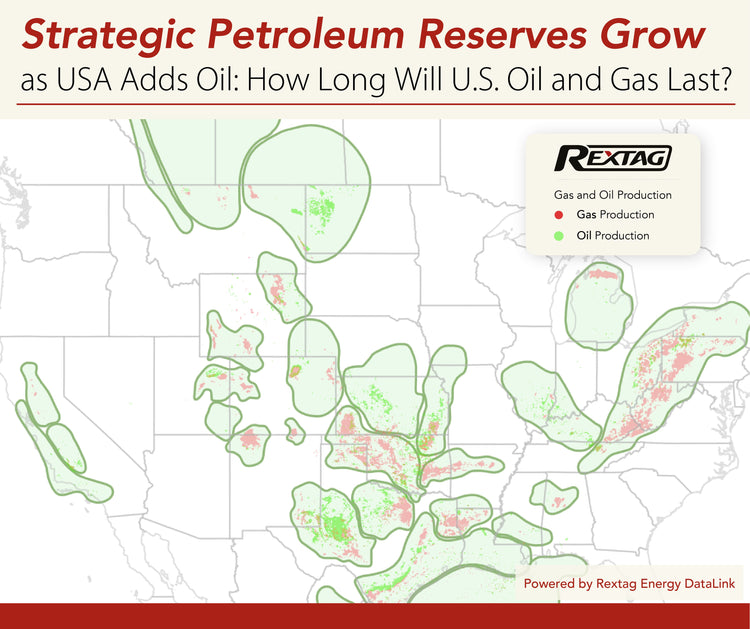
Remember the peak oil theory? Remember when everyone was convinced we'd hit peak oil production years ago? Yeah, well, turns out we can now get to oil locked in shale rock through fracking.
Plus, let's not forget about good ol' American ingenuity. We're pretty good at figuring things out when our backs are against the wall (or when our gas prices hit five bucks a gallon). We're already seeing a massive push for electric vehicles (EVs). Tesla isn't exactly a small company anymore. Solar power is becoming more affordable. Wind farms are popping up everywhere. And who knows what crazy, sci-fi energy source we'll invent next?
The Real Problem Isn't Running Out (Probably)
Look, I'm not a geologist or an economist. I'm just a regular person who fills up their gas tank and wonders how long I can keep avoiding that EV purchase. But it seems to me that the real problem isn't necessarily running out of oil. The real problem is the environmental impact of using it.
Burning all that oil releases greenhouse gasses. Climate change is happening. Coastal cities might end up underwater. You know, the whole shebang.
So, maybe we shouldn't be so worried about how long the oil will last. Maybe we should be focusing on how quickly we can move beyond it. Maybe we should all embrace the electric scooter lifestyle (okay, maybe not all of us).
Think about it. A future where our cars are powered by sunshine and our homes are heated by geothermal energy. A future where we're not dependent on volatile global oil markets. A future where we can breathe a little easier (literally). That sounds pretty good, right?
So, how long will the United States oil reserves last? I don't know. And frankly, I don't think it matters as much as we think it does. The future is electric, sustainable, and (hopefully) filled with fewer traffic jams.
Now, if you'll excuse me, I'm going to go look up the price of solar panels. And maybe, just maybe, start learning how to ride a bicycle uphill... just in case.