How Long Will Fridge Stay Cold Without Power
Okay, so the lights flickered, died, and now your house sounds like a weird sci-fi movie – all beeps and groans from appliances staging a silent protest. But amidst the chaos, a crucial question bubbles to the surface: How long will my beloved fridge keep my precious leftovers safe? It's a thought that can send shivers down your spine faster than that forgotten container of questionable chili lurking in the back.
The answer, like a perfectly ripe avocado, is… it depends. But fear not, my friend! We're not talking about an indefinite, edge-of-your-seat thriller. We're talking ballpark figures and some surprisingly useful tips to keep your food from staging its own bacterial rebellion.
The Fridge: A Cold Warrior
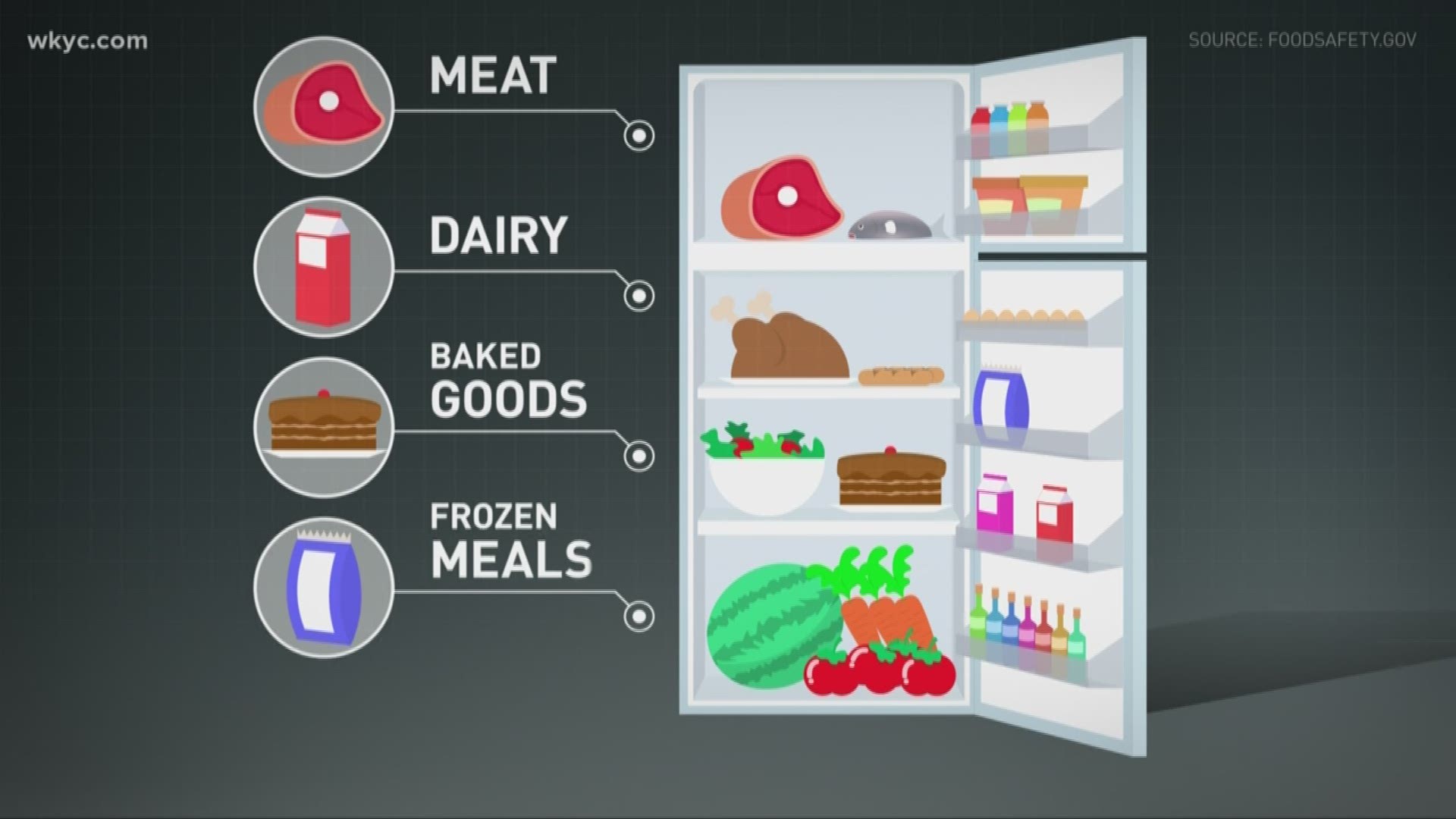
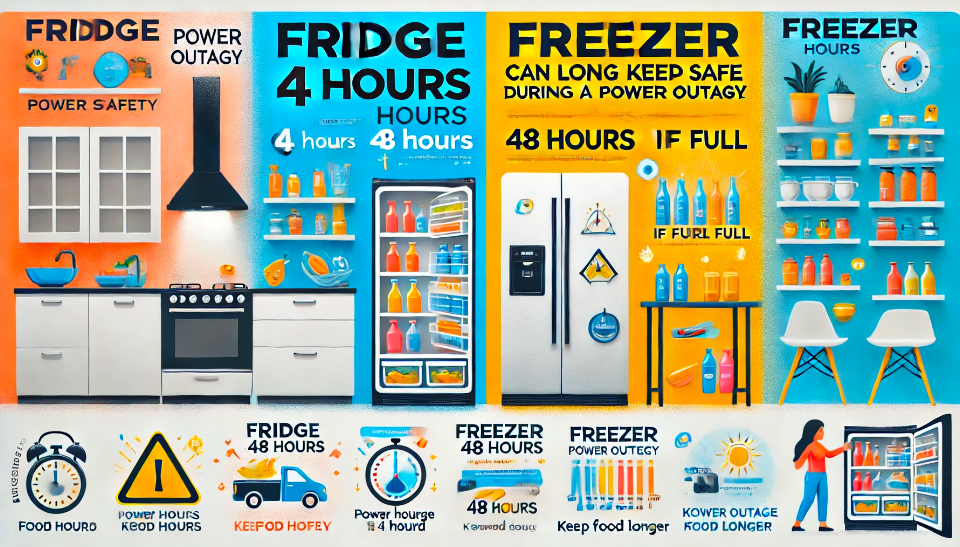
Generally speaking, a well-stocked refrigerator can maintain a safe temperature for about four hours without power. Think of it as a tiny, insulated fortress guarding your milk and cheese from the fiery breath of room temperature. The fuller it is, the longer it will stay cold. All those frozen peas and bottles of pickle juice? They're not just taking up space; they're acting as thermal batteries, absorbing the heat and keeping the party chill.
Must Read
An unopened fridge is your champion here. Every time you fling that door open to sneak a peek at the damage (or, let's be honest, grab a snack), you're releasing the precious cold air and shortening its lifespan. Resist the urge! Think of it like a trust exercise with your refrigerator. Trust it to do its job, and it will reward you with safe snacking later.
The Freezer: Ice Age Hero
Now, the freezer is where the real magic happens. A full freezer can stay frozen for a whopping 48 hours. A half-full freezer? Still impressive – about 24 hours. This is where the truly frozen stuff earns its keep. That bag of ice you bought for that summer barbecue? It's now your backup plan. It's paying dividends. So, if you know a power outage is imminent (thanks, weather reports!), consider filling up some extra freezer-safe containers with water and freezing them. They'll help maintain the temperature and, hey, you'll have extra ice later!

Again, the "don't open the door!" rule applies. It's like peeking at a surprise party before the guest of honor arrives – you're just ruining the effect. Every peek lets out the cold, and letting the cold out leads to… well, let's just say you don't want to find out.
The Great Thaw: A Food Safety Drama
But what happens after those 4 (or 24, or 48) hours? That’s when things get a little dicey. The USDA (that's United States Department of Agriculture for the acronym-averse) has some pretty strict rules about food safety, and for good reason. Bacteria love lukewarm temperatures, and they're not shy about throwing a party on your potentially spoiled chicken salad. If your food has been above 40°F (4°C) for more than two hours, it's generally considered unsafe to eat. When in doubt, throw it out. It's a hard truth, but food poisoning is a much worse fate than a wasted grocery bill.
The Power's Back On! Now What?
Once the power returns and your refrigerator starts humming again, don’t just assume everything is A-okay. Check the temperature! A fridge thermometer is your best friend in these situations. If the temperature inside your fridge reached 40°F or higher, it's time to play food safety detective. Toss any perishable items like meat, poultry, fish, eggs, and leftovers that have been sitting in the danger zone. Hard cheeses and butter are generally okay, but when in doubt, err on the side of caution.
For the freezer, a good rule of thumb is this: if the food still contains ice crystals and feels cold, it's safe to refreeze. If it's completely thawed and feels squishy, it's time for a farewell ceremony (aka the trash can).
So, the next time the power goes out, don't panic. Close the doors, grab a flashlight, and remember these simple guidelines. Your fridge and freezer are tougher than you think. With a little planning and a dash of patience, you can navigate the power outage without sacrificing your favorite snacks or staging a bacterial uprising in your kitchen.
And hey, if all else fails, order pizza. Because sometimes, a little culinary detour is exactly what you need.