
How Long Will Food Last In The Fridge Without Power

Uh oh, the power's out! It's dark, maybe a little spooky, and you're probably wondering what to do about the mountain of groceries chilling in your fridge. Don't panic! Let's explore how long your precious provisions can survive a power outage.
The Fridge: A Race Against Time
Think of your fridge as a temporary food haven. It's a cool place, but without power, things get...interesting. The clock starts ticking the moment the lights go out. It’s like a reality show, “Fridge Survival,” where the contestants are milk, meat, and leftovers.
Here's the gist: a fully stocked fridge can usually keep food safely cold for about 4 hours. A half-full fridge? Maybe less. So, time is of the essence!
Must Read
Factors Affecting Food Lifespan
Several things influence how long your food will last. It's not just a straightforward "4 hours and boom!" situation. Temperature, how often you open the door, and the type of food all play a role. Let's dive in!
Temperature Tango
The colder your fridge before the power outage, the better. Ideal fridge temperature is below 40°F (4°C). If you're a fridge thermometer owner, now's your time to shine! Knowledge is power.
Every degree above that decreases the survival time. Think of it as a reverse lottery; nobody wants to win a warm fridge.
The Door Dilemma
Opening the fridge door during a power outage is like inviting the Grim Reaper to a buffet. Every peek lets out precious cold air. Resist the urge! Pretend it's a museum exhibit and you can only look, not touch.
This is particularly hard when boredom strikes. Find a new hobby! Juggling? Origami? Anything to keep those fridge doors sealed.
Food Fight: Which Foods Perish First?
Some foods are more resilient than others. It's a food fight for survival! Dairy products, meat, poultry, fish, and eggs are the most vulnerable.
These are prime targets for bacteria. Think of them as the drama queens of the fridge, always needing attention (and refrigeration).
Hard cheeses, processed foods, and many fruits and vegetables can usually last a little longer. They are the strong, silent types of the fridge.

The Freezer: A Longer Lease on Life
Good news! Your freezer is a fortress. A full freezer can keep food safe for about 48 hours. A half-full freezer? Around 24 hours. It's a champions league survivor.
Again, minimizing door openings is key. Treat your freezer like a sleeping dragon: disturb it at your peril.
If the freezer is packed solid, it's like a block of ice protecting each item. It's a freezer-friendly food hug.
What To Do During The Outage
Okay, so the power's out, and you're not panicking (right?). Here's your action plan.
Don't Be A Door Dasher
Resist the urge to constantly open the fridge and freezer. Every time you do, you're letting out cold air and shortening the lifespan of your food. Think of it as paying a toll to bacteria.
Instead, make a plan of what you'll need beforehand. A well thought out operation reduces the number of door openings. Be swift!
Monitor The Temperature
If you have a refrigerator thermometer, keep an eye on the temperature. Once it hits 40°F (4°C), it's time to start evaluating your food carefully. Knowledge is your superpower.
If you don't have a thermometer, now's a great time to buy one! They are relatively inexpensive and can save you from food poisoning.
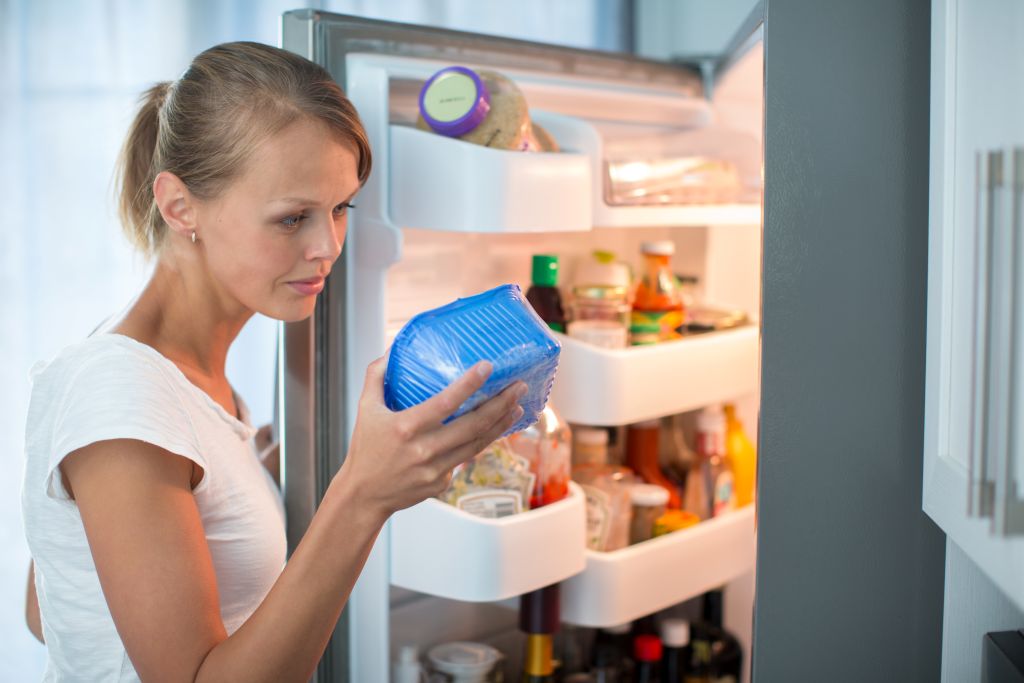
Group Food Together
This might sound weird, but grouping food together in the fridge can help maintain a colder temperature for longer. It's like a food-friendly huddle to keep the cold close.
It's especially important for those more sensitive items like meat and dairy. Grouping can help buy you a little more time.
Have A Cooler On Standby
If you know a power outage is coming, prepare a cooler with ice packs or frozen gel packs. Transfer perishable items from the fridge to the cooler to extend their lifespan. It's like a mobile fridge unit.
This is especially useful if you know the power outage will be extended. Think of it as prepping for a camping trip...inside your house.
The Aftermath: Assessing the Damage
The power's back on! Hooray! But the battle isn't over. Now comes the dreaded food assessment.
When In Doubt, Throw It Out
This is the golden rule. If you're unsure about the safety of a food item, toss it. Food poisoning is not a fun prize. It’s best to be safe rather than sorry!
Smell is a good indicator. If something smells off, it's probably off. Trust your nose!
The "Danger Zone"
Bacteria thrive in temperatures between 40°F (4°C) and 140°F (60°C). This is the dreaded "Danger Zone." Food that has been in this zone for more than 2 hours should be discarded.

Think of it as a bacterial breeding ground. You don't want to be a part of that party.
Specific Food Guidelines
Here's a quick rundown of what to do with common food items:
- Meat, poultry, fish, and eggs: If they were above 40°F (4°C) for more than 2 hours, throw them out. No exceptions!
- Dairy products (milk, yogurt, cheese): Same rule as above. If in doubt, throw it out.
- Soft cheeses (Brie, ricotta): These are more susceptible to bacteria than hard cheeses. Err on the side of caution.
- Hard cheeses (cheddar, Swiss): Generally safer, but still assess them carefully. If they smell or look off, toss them.
- Fruits and vegetables: Most fruits and vegetables are relatively safe, especially if they're still firm. However, discard any that are slimy or moldy.
- Leftovers: If they were in the "Danger Zone" for more than 2 hours, toss them.
Remember, it's always better to be safe than sorry. Your health is worth more than a potentially spoiled meal.
Preventative Measures: Be Prepared!
The best way to deal with a power outage is to be prepared before it happens. Here are some tips:
Keep Freezers Full
A full freezer stays colder longer. Fill empty space with frozen water bottles or ice packs. It's like giving your freezer a thermal blanket.
This also helps in case of a power outage, extending the safe storage time.
Invest In Thermometers
Buy refrigerator and freezer thermometers to monitor the temperature. Knowledge is power! Having this information will make assessment easier if an outage happens.
Digital thermometers can even alert you if the temperature rises too high.

Know Your Neighbors
If you know a power outage is coming, coordinate with neighbors. Share information and resources. It's like forming a neighborhood watch for food safety.
Maybe someone has a generator and can help keep your fridge running. Teamwork makes the dream work.
Consider A Generator
If power outages are frequent in your area, consider investing in a generator. It can keep your appliances running and prevent food spoilage. It's the ultimate power outage solution.
While they can be expensive, the peace of mind and food savings can be worth it.
Power Outage Recipes (Just Kidding...Sort Of)
Okay, so you can't cook anything that needs refrigeration. But that doesn't mean you have to starve! Think non-perishable foods. It is time for a picnic!
Peanut butter sandwiches, canned goods, crackers, and fruit are your friends. Embrace the simple life!
This is a great time to clean out your pantry and use up those random cans of beans you've been avoiding.
So, there you have it. A guide to surviving a power outage with your food (and sanity) intact. Remember, be prepared, be vigilant, and when in doubt, throw it out!