
How Long Will Deer Meat Keep In The Freezer

Okay, so picture this: it's late November, the air is crisp, and you're finally back from a successful deer hunt. You're buzzing with excitement (and maybe a little bit of fatigue). You've got a freezer full of beautiful, red venison just waiting to become delicious meals. But then, a nagging question pops into your head: How long can this stuff actually stay good in the freezer? We've all been there, right?
That’s what we’re tackling today. Because nobody wants to pull out a package of deer meat months later and be greeted with freezer burn and a questionable aroma. Trust me, you don’t. Been there, cleaned that… freezer.
The Short Answer (For the Impatient Hunter)
Alright, let's cut to the chase. The general rule of thumb for deer meat in the freezer is: 12-18 months. Bam! There you have it. But before you go stocking up for the next decade, let's dive into the details that can affect this timeline. Because life, and freezers, are rarely that simple.
Must Read
Factors Affecting Freezer Life: It's Complicated
Okay, so that 12-18 month window is a guideline, not a hard-and-fast rule. Several factors can influence how long your venison will stay its tastiest. Let's break it down:
- Packaging: This is HUGE. Seriously.
- Freezer Temperature: Consistency is key.
- Meat Preparation: How you processed the deer matters.
Let's look at each of these a little closer, shall we?
Packaging is Paramount (Seriously, Don't Skimp)
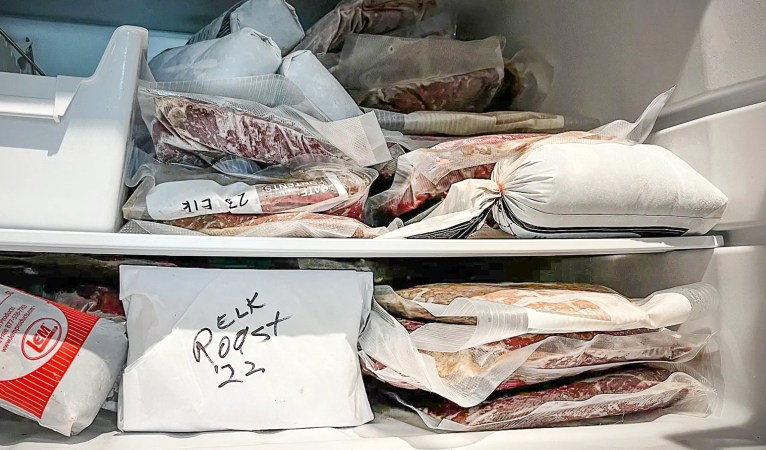
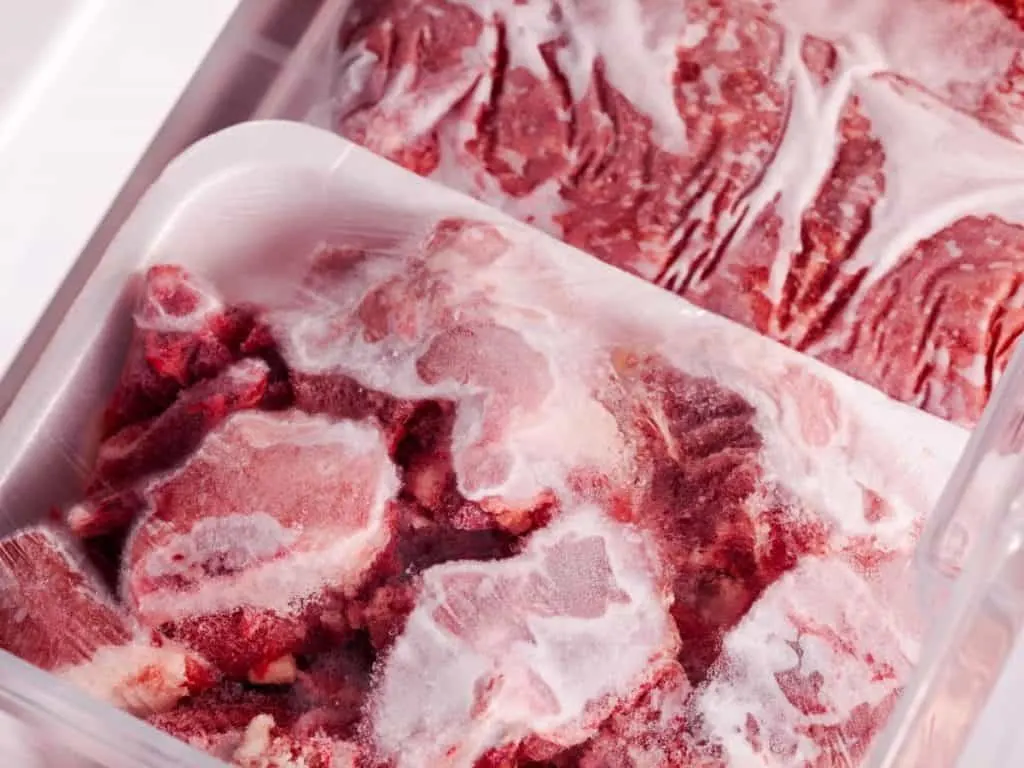
This is where you really want to pay attention. Proper packaging is your first line of defense against the dreaded freezer burn. Freezer burn isn't just ugly; it actually affects the taste and texture of your meat. It's caused by moisture escaping from the surface of the meat and turning into ice crystals. Not ideal.
Here's what you need to know:

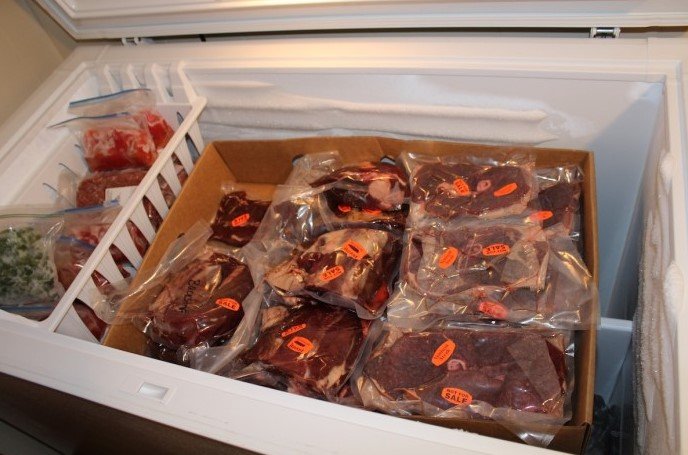
- Vacuum Sealing: This is the gold standard. Vacuum sealers remove all the air from the package, preventing freezer burn almost entirely. They can be a bit of an investment, but trust me, they're worth it if you process a lot of your own meat.
- Freezer Paper: A good, thick freezer paper is your next best bet. Wrap the meat tightly, pressing out as much air as possible. You can also wrap it in plastic wrap first and then in freezer paper for added protection.
- Plastic Wrap: This is okay in a pinch, but not ideal for long-term storage. It's too thin and lets air in easily. If you're going to use plastic wrap, double or triple wrap the meat, and try to use it within a few months.
- Avoid Grocery Store Meat Packaging: The stuff they wrap meat in at the grocery store is not designed for long-term freezing. Repackage it ASAP!
Pro Tip: Always label your packages with the date you froze the meat! Trust me, future you will thank you.
Freezer Temperature: Keep it Consistent
Your freezer needs to be consistently at 0°F (-18°C) or lower. Fluctuations in temperature can cause ice crystals to form and degrade the quality of the meat. A dedicated chest freezer is ideal for storing large quantities of meat, as it tends to maintain a more consistent temperature than a freezer attached to your refrigerator (which gets opened and closed frequently).
Also, avoid overcrowding your freezer. Too much stuff packed in tightly can restrict airflow and lead to uneven freezing.
Meat Preparation: The Butcher Within
How you process your deer meat also plays a role. Removing as much silver skin and excess fat as possible before freezing will help prevent rancidity and extend the freezer life. Fat goes rancid faster than meat, so trimming it away is a good idea.
Also, consider the size of your cuts. Smaller cuts will freeze and thaw faster, which can help preserve their quality. Ground venison, in particular, should be frozen promptly after grinding.
How to Tell if Your Deer Meat is Still Good
Even with the best preparation and packaging, sometimes things can go wrong. So, how do you know if your venison is still safe to eat?
- Look for Freezer Burn: As mentioned earlier, freezer burn is a sign that the meat has been exposed to air and has lost moisture. While freezer-burned meat is technically safe to eat, the texture and flavor will be compromised. You can often cut away the freezer-burned portions and use the rest.
- Smell it: If the meat has a strong, unpleasant odor, it's probably gone bad. Trust your nose!
- Check the Texture: If the meat is slimy or sticky, it's likely spoiled.
If you're unsure, it's always better to err on the side of caution and discard the meat. Food poisoning is no fun, and wasting a little bit of venison is better than spending days feeling miserable.
Final Thoughts: Happy Hunting (and Freezing!)
So, there you have it – a comprehensive guide to freezing deer meat. Remember, proper packaging, a consistent freezer temperature, and careful meat preparation are the keys to extending the freezer life of your venison. Now go forth, hunt responsibly, and enjoy the fruits (or rather, meats) of your labor! Just don't forget to label those packages! Your future self will thank you, I promise.