
How Long Will A House Stay Warm Without Power

Okay, so the power's out. Cue the dramatic music! But seriously, how long before your house turns into an igloo? It's a legit question, especially when winter's knocking (or, you know, body-slamming) on your door.
The short answer? It depends. Yep, classic cop-out answer, I know. But stick with me, it’s about to get more interesting… hopefully. Think of it like asking how long a bag of chips will last. Depends on how hungry you are, right? Same concept!
Factors, Factors Everywhere!
So, what exactly are the "hunger" factors for your house? Glad you asked!
Must Read
Insulation: This is the big kahuna. Think of insulation as your house's winter coat. A thick, fluffy parka (good insulation) keeps the heat in. A flimsy windbreaker (bad insulation)? Not so much. Walls, attics, even basements play a role. If you’ve got crummy insulation, you might be looking at a rapid cool-down. Like, "grab your mittens" rapid.
Windows and Doors: Leaky windows and drafty doors are heat's escape route. Think of them like tiny, open windows even when they're closed! Seal those bad boys up! Seriously, weather stripping is your friend. Also, heavy curtains can make a surprisingly big difference. They're not just for looking fancy!
Outside Temperature: Duh, right? If it's 60°F outside, your house will stay warmer longer than if it's -10°F. Makes sense, even to a goldfish. But the difference can be huge. A mild outage might just be a slight inconvenience. A polar vortex outage? Buckle up, buttercup.
Size of Your House: Bigger house, bigger volume to heat (or keep heated). It’s like trying to heat a swimming pool with a tea candle. Not gonna happen, folks. Smaller spaces retain heat better. So, apartment dwellers, you might have a slight advantage. Just saying.
Construction Materials: Brick, wood, concrete – they all have different thermal properties. Some materials hold heat better than others. Older houses, while charming, often weren't built with energy efficiency in mind. So, that antique charm might come with a slightly chillier price tag.
So, What’s the Actual Time Frame?
Okay, okay, I get it. You want a number. Fine. Let's say... generally, a well-insulated home can maintain a somewhat comfortable temperature for 8-12 hours in moderately cold weather (think 30s-40s Fahrenheit). But that's a big range! And "comfortable" is subjective, right? What's comfy for a polar bear might be "shivering uncontrollably" for you.
In freezing temperatures (below 32°F), that time window shrinks drastically. You might only have 4-6 hours before things get seriously chilly. And if it's below zero? Forget about it. Time to break out the emergency blankets and start thinking about alternative heat sources (safely, of course!).
An uninsulated home? You're basically at the mercy of the elements. Expect a rapid temperature drop. Like, "find a warmer place now" rapid.
Pro Tips to Stay Toasty (Without Power!)
Alright, let's talk survival tactics! Because nobody wants to be a human popsicle.
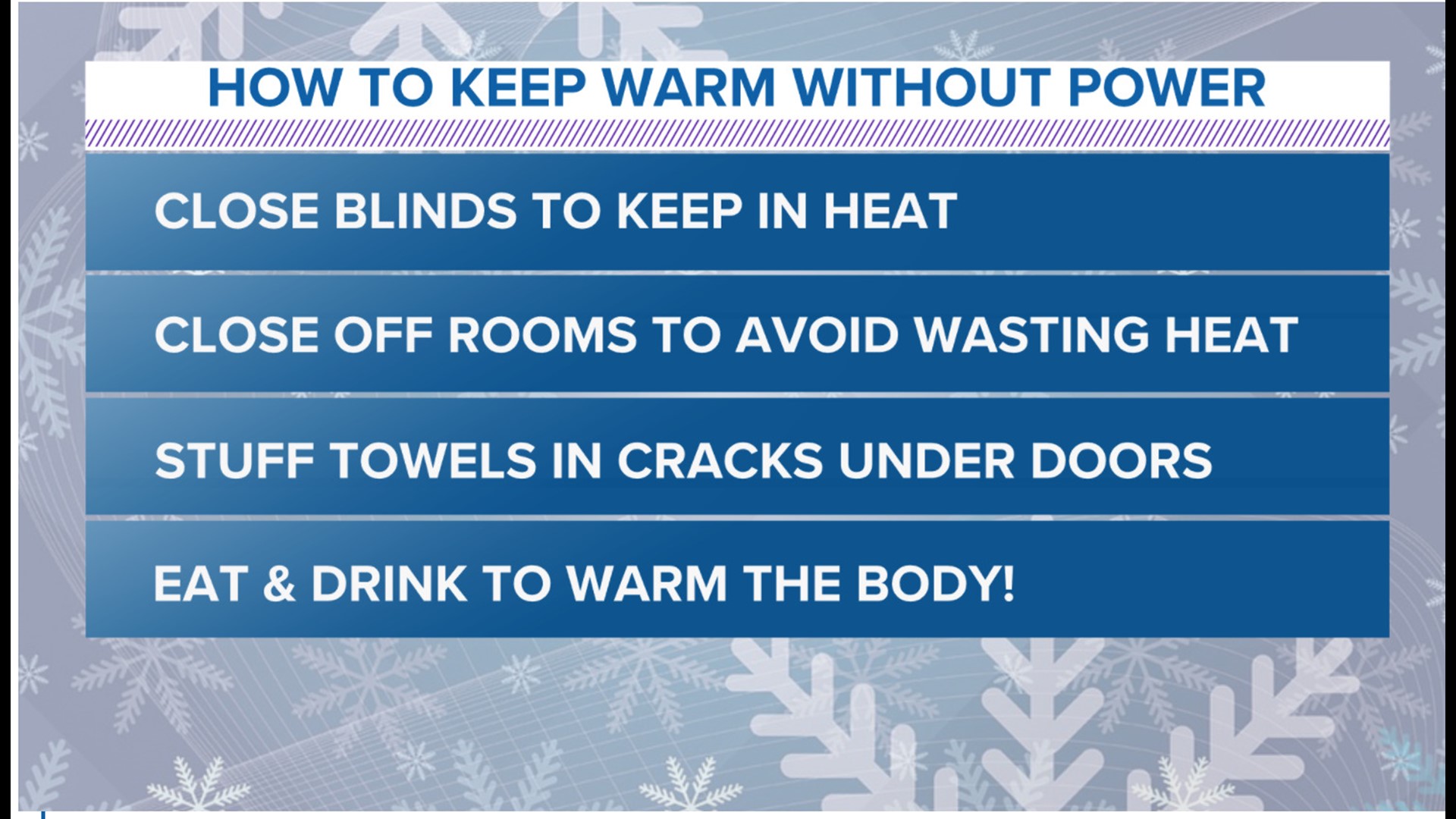
Close off unused rooms: Concentrate the heat in a smaller area. It’s basic physics, people! Less space to heat, less heat lost.
Bundle up!: Layers are your friend. Think onions, but instead of making you cry, they keep you warm. Wool socks, hats, gloves – the whole shebang.
Seal gaps and cracks: Towels, blankets, even duct tape can help block drafts. MacGyver would be proud.
Stay hydrated and eat: Your body needs fuel to generate heat. Soup, hot drinks (if you can safely heat them), and snacks are your allies.

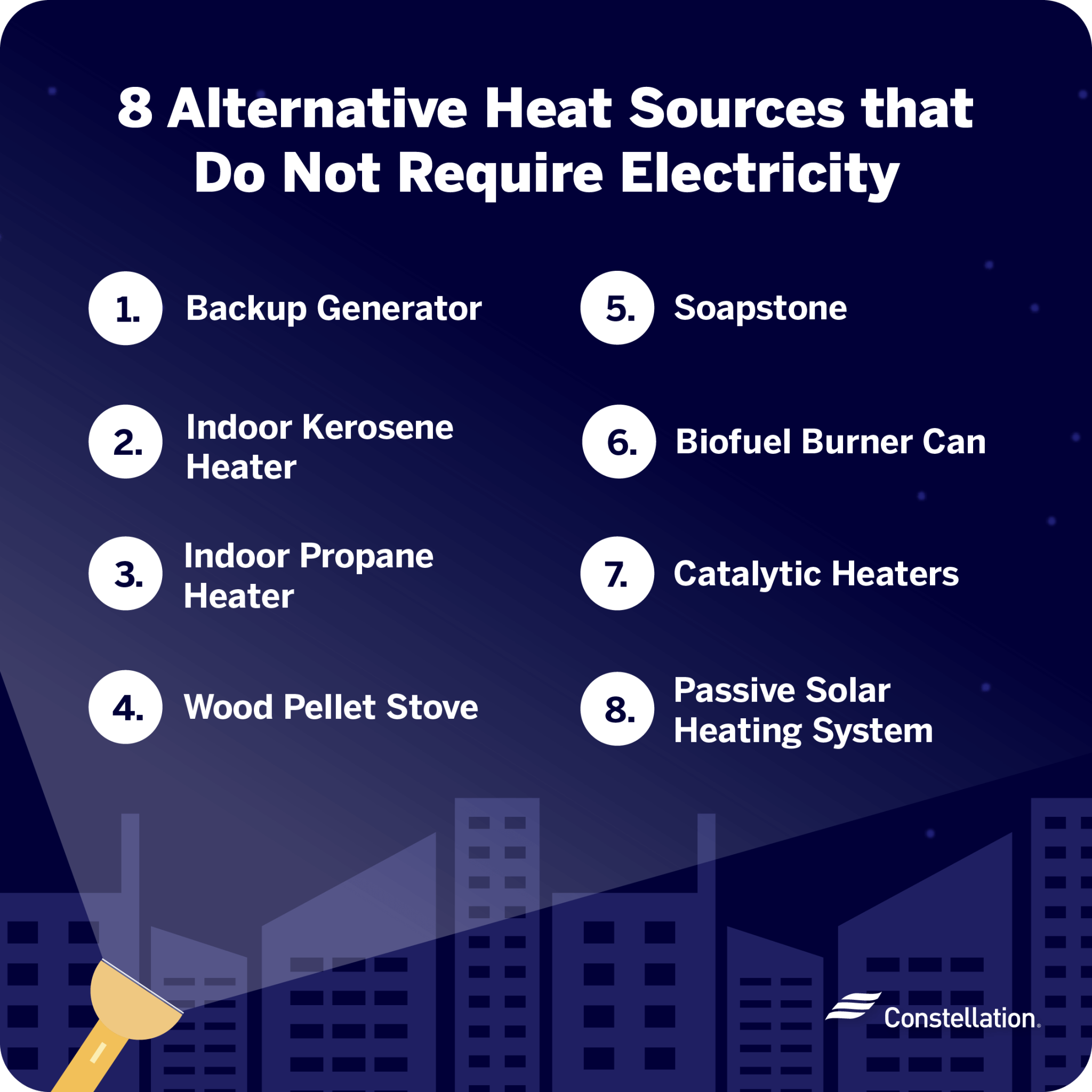
Safety First!: Never use charcoal grills or propane heaters indoors. Carbon monoxide poisoning is a real danger. It’s not worth risking your life to stay warm.
Consider a Generator: If power outages are frequent, a generator might be a worthwhile investment. But learn how to use it safely before you need it.
Go to a Community Shelter: Don't be afraid to seek help! If your home becomes dangerously cold, find a warming center or shelter. Your safety is the top priority.
So there you have it. A (hopefully) helpful, slightly humorous guide to surviving a power outage. Remember, preparation is key! Now go forth and conquer the cold (or at least survive it with a semblance of dignity)! And maybe invest in some extra blankets… just in case.